 Chocolate Bars
 Dragees
 Cakes & Muffins
 Sweets & Gummies
 Cookies
 Dessert Sauces
 Wafers
 Spreads
 Muesli Bars
 Guilt-free Gifting
 Sales & Promotions

Sweeteners and Gut Health:
What the Research Says
A comprehensive, peer-reviewed guide to how sweeteners interact with your gut microbiome, and what it means for the sugar-free foods you enjoy
Do Sweeteners Affect Gut Health?
Yes, but the impact depends heavily on the type of sweetener and the dose consumed. Here is what the current research shows:
- ✅Natural sweeteners such as stevia (steviol glycosides) and monk fruit show the most favourable gut health profiles, with no evidence of negative microbiome impact and some early prebiotic signals
- ✅Polyols (sugar alcohols) like maltitol and isomalt are absorbed slowly, which is the point; packs over 10 percent polyols note that excessive consumption may produce laxative effects, so enjoy a few pieces at a time and your gut adjusts
- ⚠Synthetic sweeteners such as saccharin and sucralose show the most consistent signals of microbiome disruption, though effects are stronger in animal studies than in human clinical trials at typical dietary doses
- ✅Approved sweeteners are safe within established Acceptable Daily Intake (ADI) limits, as confirmed by the FDA, EFSA, Diabetes UK, and the World Health Organization
- 🔬A landmark 2025 European clinical trial (SWEET, Nature Metabolism) reported beneficial gut microbiota shifts and no signs of dysbiosis in participants using low-calorie sweeteners over one year
If you have ever opened a packet of sugar-free chocolate or reached for a no-added-sugar biscuit and paused to wonder what those sweeteners are doing inside your body, you are asking exactly the right question. Sweeteners gut health has become one of the most actively researched areas of nutritional science, with dozens of peer-reviewed studies published in 2024 and 2025 alone.
The answers are more nuanced than either side of the debate tends to admit. The picture that emerges from the current evidence is one of meaningful differences between sweetener types, dose-dependence, and considerable individual variation. This guide walks through all of it, from the basic biology of the gut microbiome to what the latest trials say about specific sweeteners used in everyday sugar-free products like those made by Diablo Sugar Free.
This article references peer-reviewed studies from Frontiers in Microbiology, Nature Metabolism, Diseases (MDPI), Cedars-Sinai Medical Center, Frontiers in Nutrition, and position statements from the International Sweeteners Association, Diabetes UK, and the World Health Organization. It is written for educational purposes. Always consult your physician or registered dietitian for personalised dietary guidance.
What Is the Gut Microbiome and Why Does It Matter?
Your gut microbiome is a community of trillions of microorganisms, including bacteria, fungi, and viruses, living throughout your digestive tract. These microbes are not passive passengers. They ferment dietary fibre, produce short-chain fatty acids (SCFAs) such as butyrate, propionate, and acetate, regulate immune function, influence blood sugar management, and communicate with the brain via the gut-brain axis.
A healthy, diverse microbiome is associated with lower risk of type 2 diabetes, obesity, inflammatory bowel conditions, and metabolic syndrome. When the balance between beneficial and harmful bacteria tips in the wrong direction, a condition called dysbiosis can develop. Dysbiosis has been linked to increased intestinal permeability, systemic inflammation, and impaired glucose tolerance.
This is why the relationship between sweeteners and gut health matters so much. If you are switching from sugar to sugar-free products, you want confidence that the sweeteners in those products are not creating a different kind of problem. The research gives us increasingly detailed answers.
Short-Chain Fatty Acids: The Gut Health Currency
SCFAs are metabolites produced when gut bacteria ferment certain carbohydrates. Butyrate, in particular, is the primary energy source for the cells lining the colon and plays a key role in maintaining the gut barrier, reducing inflammation, and regulating insulin sensitivity. Any dietary change that affects SCFA production, including the introduction of sweeteners, has the potential to influence gut health in ways that extend well beyond digestion.
Dysbiosis refers to an imbalance in the composition of the gut microbiome, typically characterised by a reduction in beneficial bacterial species (such as Bifidobacterium and Lactobacillus) and an increase in potentially harmful strains. It is associated with metabolic disorders, inflammatory conditions, and impaired immune function.
How Sweeteners Interact With the Gut: The Core Mechanism
Most sweeteners reach the colon largely unchanged. The human body cannot fully digest or absorb them in the small intestine, which is precisely why they contribute little or no caloric value. However, the gut microbiome can interact with these substances directly.
Gut bacteria respond to what they encounter. When they ferment unabsorbed compounds, they produce metabolites that either support or disrupt intestinal health. The type, dose, and duration of sweetener exposure, together with the individual's existing microbiome composition and overall diet, all influence the outcome. This is why research results can appear contradictory: the same sweetener can behave differently in two different people.
Differences in study design, dosage, sweetener type, exposure duration, and the baseline microbiome composition of participants all contribute to varied outcomes in sweetener gut health research. Human studies generally show milder or no significant changes compared to animal studies, which often use doses far higher than any person would realistically consume. This distinction is critical when evaluating headlines about sweeteners harming gut health.
A Plain-Language Guide to Sweetener Types
Before examining the research, it helps to understand the main categories of sweeteners used in sugar-free foods, including those in Diablo Sugar Free's range.
Intense Sweeteners (High-Potency, Zero Calorie)
These provide sweetness at very small doses and contribute negligible calories. They include aspartame, sucralose, saccharin, acesulfame K (acesulfame potassium), stevia (steviol glycosides), and monk fruit extract. Acesulfame K and steviol glycosides appear in selected Diablo Sugar Free products, including certain chocolate varieties.
Sugar Alcohols (Polyols)
These are carbohydrates that occur naturally in small amounts in fruits and vegetables. They are partially absorbed in the small intestine and partially fermented in the colon. The most common are maltitol, xylitol, erythritol, sorbitol, mannitol, isomalt, and lactitol. Maltitol and isomalt are the primary sweeteners in many Diablo Sugar Free chocolates and confectionery items. The packaging on all relevant products carries the EU-required advisory that excessive consumption may produce laxative effects.
Natural Rare Sugars
These include allulose and tagatose, rare sugars that behave differently from sucrose and have minimal impact on blood glucose. They are not yet widely used in mainstream sugar-free confectionery but are an area of active product development.
What Does the Research Say? The Evidence in Full
The Evidence That Raises Questions
Several studies published between 2022 and 2025 have found that certain non-nutritive sweeteners can alter the composition of the gut microbiome. A comprehensive 2025 review published in Diseases (MDPI) concluded that while non-nutritive sweeteners may alter the gut microbiome, findings remain inconsistent across studies.
Research from Cedars-Sinai Medical Center found that people consuming non-sugar sweeteners showed significant differences in both stool and duodenal (small intestine) microbial diversity and composition compared to controls. Levels of circulating inflammatory markers were also altered in participants consuming these sweeteners.
A May 2025 study in Frontiers in Microbiology, which used minibioreactor arrays to test five sweeteners on fecal samples over 35 days, found that synthetic sweeteners such as sucralose and saccharin significantly reduced microbial diversity. Sucralose was associated with an increase in pathogenic bacterial families including Enterobacteriaceae. A 2022 human study also found that people consuming saccharin and sucralose showed raised blood sugar levels relative to controls, a signal that microbiome disruption may have downstream metabolic effects.
Sucralose and Saccharin Reduced Diversity
A 35-day bioreactor study found synthetic sweeteners significantly lowered gut microbial diversity, while natural options (rebaudioside A, xylitol) were far less disruptive.
Small Bowel Microbiome Altered
Non-sugar sweetener consumers showed significant differences in both stool and duodenal microbial diversity. Inflammatory markers were also altered.
SWEET Study: Beneficial Gut Shifts
A landmark European 1-year clinical trial reported beneficial gut microbiota shifts and no signs of dysbiosis in participants using low-calorie sweeteners.
Inconsistent Findings Across Studies
A comprehensive literature review concluded that NNS may alter the gut microbiome, but findings remain inconsistent. Dosage, duration, and individual microbiome baseline all matter.
Where the Evidence Is Reassuring
The same body of research also contains important counterpoints. The 2025 Frontiers in Microbiology study found that non-synthetic sweeteners performed quite differently. Rebaudioside A (the steviol glycoside in stevia) and xylitol were found to be among the least disruptive sweeteners to microbial diversity. Acesulfame K actually increased microbial diversity, though it also altered the structure of microbial networks, an area requiring further study.
The SWEET study published in Nature Metabolism in 2025 is particularly significant. This large-scale European clinical trial followed participants for one year and reported beneficial shifts in gut microbiota without signs of dysbiosis. A 2025 review from the International Sweeteners Association noted that meta-analyses of clinical trials show low-calorie sweeteners have a neutral effect on key cardiometabolic risk markers, including blood lipids, glucose control, and blood pressure.
Many alarming findings on sweetener-related dysbiosis come from rodent studies where animals received doses far exceeding what any human would consume from food. Human studies consistently show milder or no significant microbiome changes at doses within regulatory guidelines. This does not mean concerns are invalid, but it is an essential distinction when reading research headlines.
Individual Sweeteners: What the Research Shows
Sucralose
Sucralose reaches the colon largely unchanged, where it can interact directly with gut bacteria. Research has associated sucralose with reduced microbial diversity and an increase in pathogenic bacterial strains in some studies. Notably, one 2025 review observed that sucralose at normal ADI levels had little influence on gut microbiome composition or SCFA production. The picture is not settled. Sucralose is not a primary sweetener in Diablo Sugar Free products.
Saccharin
Saccharin has the most consistent evidence of microbiome disruption among synthetic sweeteners. Studies have linked saccharin consumption to gut microbial imbalances associated with metabolic dysfunction, including altered glucose tolerance. Saccharin is not used in Diablo Sugar Free products.
Aspartame
Aspartame's effects on the gut microbiome appear more variable. Some studies show microbiome changes in certain individuals, while others show little effect. One study found that aspartame increased the abundance of bifidobacteria, which are generally considered beneficial. The research on aspartame and gut health remains inconclusive. Aspartame is not used in Diablo Sugar Free products.
Acesulfame K
Acesulfame K is used in small amounts in selected Diablo Sugar Free confectionery alongside steviol glycosides. The 2025 Frontiers study found acesulfame K increased gut microbial diversity, though it also disrupted microbial network structure. The clinical significance of this structural change at typical dietary doses is not yet clear. It is used in very small quantities in the products where it appears.
Stevia (Steviol Glycosides)
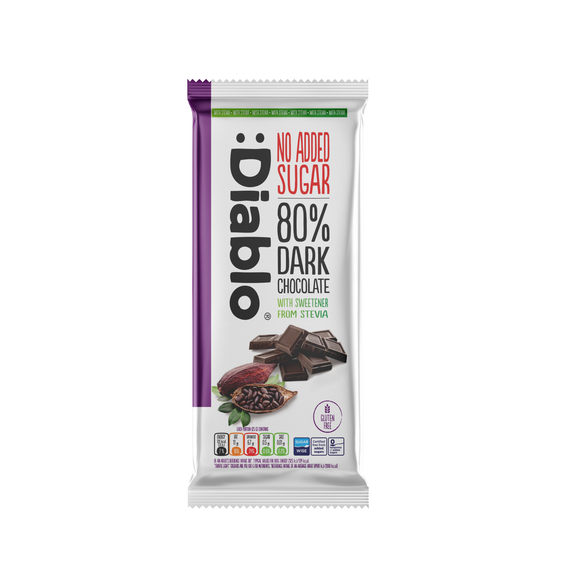
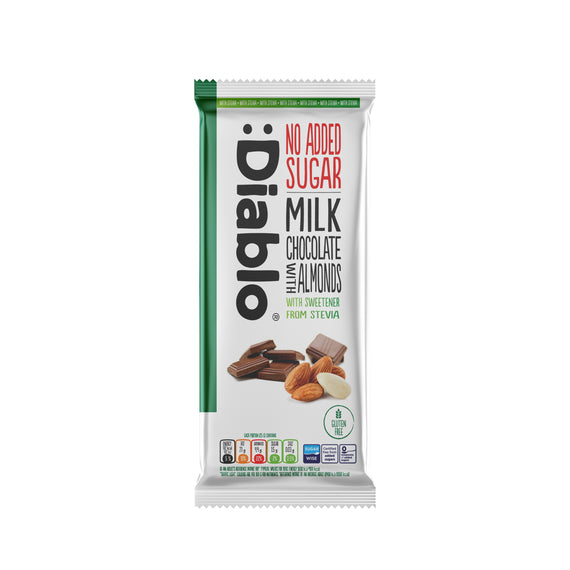
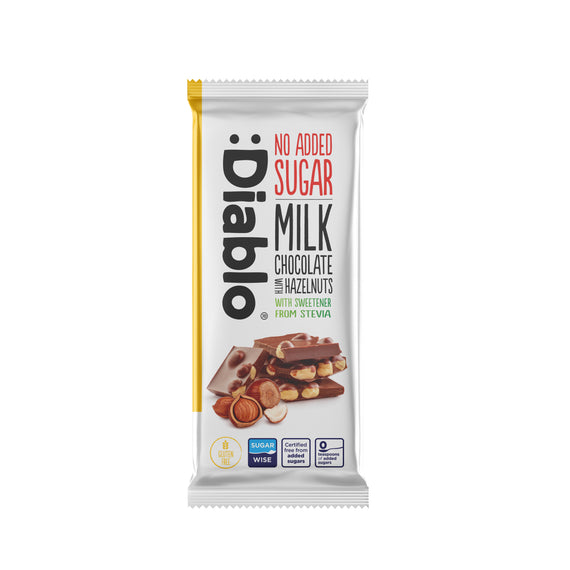
Stevia extracts, specifically steviol glycosides including rebaudioside A, are among the best-studied natural sweeteners for gut health. Research shows broadly positive signals. Some studies indicate stevia supports the growth of beneficial bacterial strains including Lactobacillus and Bifidobacterium, functioning as a mild prebiotic. The 2025 Frontiers study found rebaudioside A was among the least disruptive sweeteners to microbial diversity of any tested compound. Steviol glycosides are used in Diablo Sugar Free products alongside maltitol, including the dark chocolate range.
Diablo Sugar Free chocolates, cookies, and sweets use steviol glycosides alongside polyols (maltitol and isomalt) as sweeteners. In the 2025 Frontiers in Microbiology work, rebaudioside A, the main steviol glycoside in stevia, was among the least disruptive compounds tested to microbial diversity. View the chocolate range.
Shop Diablo Chocolate Made with Stevia and Maltitol

Monk Fruit Extract (Mogrosides)
Monk fruit sweetener contains compounds called mogrosides, which show some of the most encouraging signals in gut health research. Mogrosides reach the colon intact, where gut bacteria convert them into beneficial metabolites including acetate and butyrate. Research has found monk fruit extract can promote the growth of beneficial bacterial strains like Bifidobacterium and Lactobacillus. Animal models have also suggested potential benefits for Akkermansia muciniphila, a bacterial species associated with gut lining integrity and metabolic health. There are currently no published studies indicating monk fruit negatively impacts the gut microbiome.
Polyols (Sugar Alcohols) and Gut Health: A Detailed Look
Polyols are the primary sweeteners in most sugar-free confectionery, including Diablo Sugar Free chocolates and sweets. Understanding how they interact with the gut is directly relevant to anyone who consumes sugar-free products regularly.
How Polyols Work in the Gut
Polyols are not fully absorbed in the small intestine. The portion that reaches the colon is fermented by gut bacteria, which is where their digestive effects originate. Because they also draw water into the intestines through osmosis, consuming large amounts can lead to bloating, stomach discomfort, flatulence, and diarrhoea. In Europe, products containing more than 10% added polyols are required to carry the advisory that excessive consumption may produce laxative effects.
This effect is dose-dependent. Most people tolerate moderate amounts of polyols without issue. Individual sensitivity varies based on the specific polyol, the dose, the overall diet, and the existing state of gut health. People with irritable bowel syndrome (IBS) tend to be more sensitive.
The "excessive consumption may produce laxative effects" advisory on sugar-free confectionery is a regulatory transparency requirement, not a warning that the product is dangerous at normal serving sizes. It applies to all EU-sold products containing significant polyol content. Following the serving size guidance on the label avoids the vast majority of potential discomfort.
Maltitol
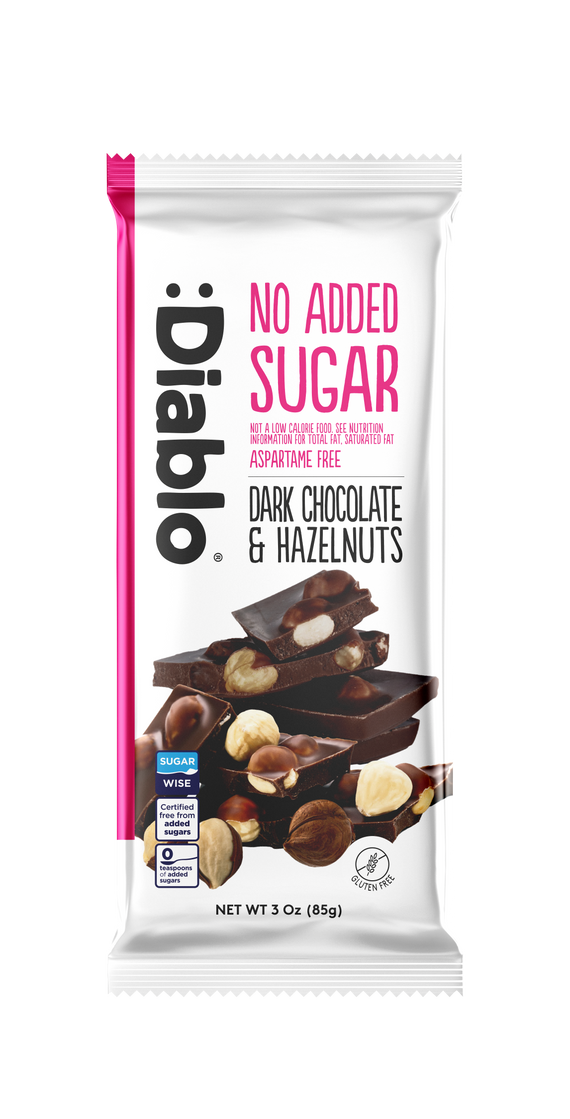
Maltitol closely mimics the taste and texture of sugar, making it a practical sweetener for confectionery. It has a glycaemic index of approximately 35, against 65 for sucrose, and the GB nutrition and health claims register permits one wording on the point: "Consumption of foods containing maltitol instead of sugar induces a lower blood glucose rise after their consumption compared to sugar-containing foods." In the gut, maltitol is partially absorbed and partially fermented in the colon: absorbed slowly, which is the point. Packs where polyols exceed 10 percent carry the statement that excessive consumption may produce laxative effects, so enjoy a few pieces at a time and your gut adjusts. Diablo Sugar Free dark chocolate uses maltitol as its primary sweetener and carries that statement as UK and EU regulations require.
Shop Diablo Chocolates Sweetened With Maltitol



Isomalt
Isomalt is a disaccharide polyol used in some Diablo Sugar Free sweets. It has a very low glycaemic index and provides approximately half the calories of sugar. Like maltitol it is a polyol, so packs above 10 percent carry the laxative statement. Anyone managing diabetes should lean on their care team for personal advice.
Shop Diablo Sugar Free Sweets


Xylitol
Xylitol is absorbed and fermented differently from other polyols, and research has also found that moderate doses of xylitol may shift the microbiome toward an increase in beneficial bifidobacteria, suggesting potential prebiotic effects. The 2025 Frontiers in Microbiology study found xylitol to be among the less disruptive sweeteners to microbial diversity.
Erythritol
Erythritol stands apart from most other polyols. Approximately 90% is absorbed in the small intestine and excreted unchanged in urine, which means it does not reach the colon in significant amounts and rarely causes the digestive side effects associated with other sugar alcohols. It is the polyol most often included in low-FODMAP protocols for that reason. Note that research published in 2023 raised preliminary questions about high circulating erythritol levels and cardiovascular clotting risk. This remains an active area of investigation and does not change the established gut tolerability profile of erythritol at dietary doses.
Sorbitol and Mannitol
These two polyols are fermented further along the gut than erythritol is, and both are among the polyols limited in low-FODMAP dietary protocols. Neither features as a primary sweetener in Diablo Sugar Free products.
Sweeteners Compared: Gut Health at a Glance
| Sweetener | Type | Gut Microbiome Impact | Digestive Tolerance | GI Index | Research Snapshot |
|---|---|---|---|---|---|
| Monk Fruit (Mogrosides) | Natural intense | Potentially prebiotic; promotes Bifidobacterium and Lactobacillus | Excellent | 0 | Best Choice |
| Stevia (Steviol Glycosides) | Natural intense | Mild positive; least disruptive in 2025 Frontiers study | Excellent | 0 | Best Choice |
| Erythritol | Polyol | Minimal (mostly absorbed before colon) | Very good | 0 | Good Choice |
| Xylitol | Polyol | May increase beneficial bifidobacteria | Good | 7 | Good Choice |
| Acesulfame K | Synthetic intense | May increase diversity; some network disruption noted | Good at ADI levels | 0 | Moderate |
| Maltitol | Polyol | Partially absorbed, partially fermented in the colon | Dose-dependent | 35 | Long established |
| Isomalt | Polyol | Low fermentation in the colon | Dose-dependent | 2 | Long established |
| Aspartame | Synthetic intense | Mixed findings; some studies show increase in bifidobacteria | Good at ADI levels | 0 | Moderate |
| Sucralose | Synthetic intense | May reduce diversity; reaches colon intact | Good at ADI levels | 0 | Use Caution |
| Saccharin | Synthetic intense | Most consistent evidence of dysbiosis in research | Good at ADI levels | 0 | Use Caution |
| Sorbitol | Polyol | Fermented in the colon; a FODMAP polyol | Dose-dependent | 9 | Dose-dependent |
Sources: Frontiers in Microbiology (2025); Diseases MDPI (2025); Nature Metabolism (2025); Cedars-Sinai Medical Center; International Sweeteners Association. GI values are reference figures and may vary by product.
What the Balance of Evidence Says
The question of what sweeteners do to the gut has no single answer, because "sweeteners" is not a single substance. Different compounds have different profiles, and individual responses vary considerably based on existing gut health, dose, frequency of consumption, and overall dietary pattern.
Here is what the current balance of evidence supports:
- At reasonable doses, most approved sweeteners are safe. Regulatory bodies including the FDA, EFSA, and national health organisations in the UK, Brazil, and the USA have all reaffirmed that approved sweeteners are safe within established ADI limits. These limits are set well below any dose at which human studies have identified harm.
- Saccharin and sucralose show the most consistent signals of microbiome disruption. These signals are more pronounced in animal studies than in human clinical trials. The clinical significance at everyday dietary doses remains uncertain, but they are not the sweeteners of choice from a gut health perspective.
- Natural sweeteners such as stevia and monk fruit show more favourable gut health profiles. Neither has been associated with negative microbiome outcomes in human studies, and both have preliminary evidence of prebiotic-like properties.
- Polyols are absorbed slowly, which is the point. European labelling regulations require packs above 10 percent polyols to carry the laxative statement, which is transparency rather than a hidden danger. Enjoy a few pieces at a time and your gut adjusts.
- Sweeteners are not a standalone solution. Leading diabetes organisations and dietetic bodies consistently emphasise that low-calorie sweeteners should be part of an overall balanced diet rather than treated as a health food in their own right. Their greatest value is in helping people reduce sugar intake without complete deprivation of sweet-tasting foods.
Sweeteners, Gut Health, and Diabetes: A Closer Look
For people with diabetes or pre-diabetes, the relationship between sweeteners and gut health is particularly relevant. The gut microbiome plays a meaningful role in glucose metabolism, insulin sensitivity, and inflammation, all of which are central to diabetes management.
The good news from the 2025 research landscape is substantial. Several systematic reviews and position statements from diabetes organisations globally have reaffirmed that approved sweeteners can be used within established limits as part of a balanced diet.
The more nuanced concern is that if certain sweeteners alter the gut microbiome in ways that impair glucose regulation over time, the benefit of avoiding direct blood sugar spikes could be partially offset by longer-term metabolic changes. This is where more long-term human studies are needed. Current clinical guidance from Diabetes UK recommends that low-calorie sweeteners can be used as part of a balanced approach to diabetes management.
A diet rich in fibre, vegetables, and whole foods is what shapes a resilient microbiome, whatever else you eat alongside it. Serving sizes are printed on every pack, and the sweetener is named in the ingredient list. Anyone managing diabetes should lean on their care team for personal advice.
Practical Tips for Supporting Gut Health While Enjoying Sweeteners
Practice Portion Awareness
Most digestive discomfort from polyol-containing products is dose-dependent. Staying within the serving size on the label avoids the majority of gut-related issues.
Prioritise Dietary Fibre
The gut microbiome is primarily shaped by fibre from vegetables, legumes, and whole grains. A fibre-rich diet creates a more resilient microbiome that handles a range of dietary inputs better.
Introduce Gradually
If you are new to sugar-free confectionery, introducing it gradually gives your gut time to adapt. Research shows that the microbiome can develop enzyme-based adaptation responses to polyols over time.
Know Your Individual Response
Gut health is highly personal. If you notice consistent bloating after certain products, check which polyol is named on the pack and start with a smaller portion, then build up.
The IBS and Low-FODMAP Connection
Polyols form the "P" in the FODMAP acronym (Fermentable Oligosaccharides, Disaccharides, Monosaccharides, and Polyols). People following a low-FODMAP diet to manage IBS are typically advised to limit or avoid high-polyol foods, particularly those containing sorbitol, mannitol, xylitol, and maltitol.
If you have diagnosed IBS or follow a low-FODMAP protocol, it is worth discussing with a registered dietitian before incorporating sugar-free confectionery regularly. Small amounts of some polyols may be manageable; others may trigger symptoms even at low doses in sensitive individuals. Erythritol is generally included in low-FODMAP protocols because it is absorbed before reaching the colon.
Hydration Matters
Polyols draw water into the intestine as part of their mechanism of action. Staying well hydrated supports normal digestion and reduces the likelihood of discomfort when consuming polyol-containing foods.
Choose Products With Transparent Labelling
Products like those in the Diablo Sugar Free range clearly declare their sweetener content on the label, including the laxative-effect advisory where required by regulation. This transparency is both a legal requirement and a mark of product integrity, enabling consumers to make fully informed choices about what they are eating and in what quantity.
Frequently Asked Questions
References and Sources
- Kidangathazhe A. et al. (2025). Synthetic vs. non-synthetic sweeteners: their differential effects on gut microbiome diversity and function. Frontiers in Microbiology. PMC12119465
- Tobiassen P.A. et al. (2025). Effect of sweeteners and sweetness enhancers on weight management and gut microbiota. Nature Metabolism. nature.com
- Angelin M. et al. (2025). Artificial Sweeteners: A Double-Edged Sword for Gut Microbiome. Diseases, MDPI. mdpi.com
- Cedars-Sinai Medical Center (2023). Artificial Sweeteners Significantly Alter the Small Bowel Microbiome. cedars-sinai.org
- International Sweeteners Association (2026). Year in Review: Advances in Sweetener Science in 2025. sweeteners.org
- Sun M., Xu Y. (2025). A critical review on effects of artificial sweeteners on gut microbiota and gastrointestinal health. Journal of the Science of Food and Agriculture, Wiley.
- Frontiers in Nutrition (2025). Intestinal dysbiosis associated with non-nutritive sweeteners intake. PMC12623363
- Angelin M. et al. (2024). Artificial sweeteners and their implications in diabetes: a review. Frontiers in Nutrition. DOI: 10.3389/fnut.2024.1411560
- World Health Organization (2023). Use of Non-Sugar Sweeteners: WHO Guideline. who.int
- Diablo Sugar Free. Product ingredient data verified via brand website and Open Food Facts COA records. diablosugarfree.com
Enjoy Sweet Treats Without the Compromise
Diablo Sugar Free crafts no-added-sugar chocolates, cookies, and sweets using steviol glycosides and carefully selected polyols, with full label transparency on every product. Made for people who want to eat smarter without giving up what they love.
Shop Diablo Sugar FreeNo added sugar. Transparent labelling. Real flavour, done right.