 Chocolate Bars
 Protein Bars
 Dragees
 Cakes & Muffins
 Sweets & Gummies
 Cookies
 Dessert Sauces
 Wafers
 Spreads
 Muesli Bars
 Guilt-free Gifting
 Sales & Promotions

What Is Maltodextrin? How It Differs From Maltitol
Maltodextrin is a white powder made by breaking starch into short chains of glucose, stopped at a dextrose equivalent below 20 so it barely tastes sweet. It is a carbohydrate, not a sweetener and not a polyol. Food makers use it to bind, bulk and carry other ingredients, and it is not the same thing as maltitol.
Two of our bars sweetened with maltitol, with no maltodextrin on the label:
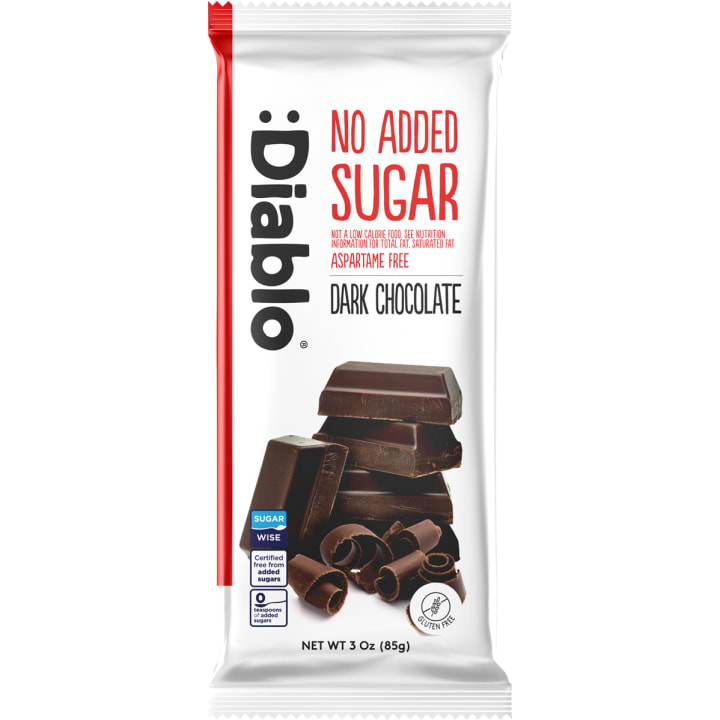
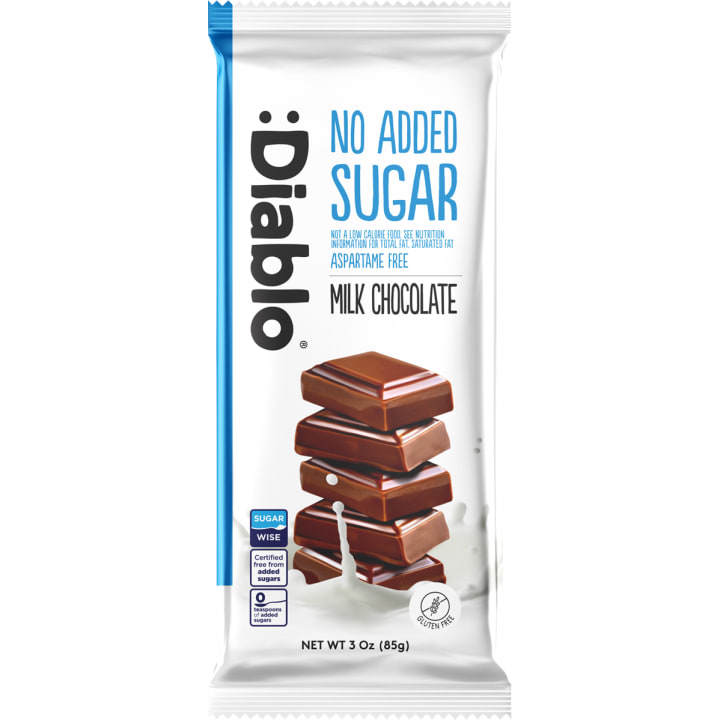
Not a low calorie food. See nutrition information for sugar and calorie content.
On this page: what it is made from · maltodextrin or maltitol · is it a sugar · why it is in cereal bars · is it bad for you
What is maltodextrin made from?
Starch from corn, wheat, potato, rice or tapioca. The starch is cooked in water and cut into shorter pieces with acid or enzymes, and the process is stopped early, while most of the pieces are still chains of several glucose units. The result is spray dried into a fine, almost flavorless powder that dissolves easily.
Where the cutting stops is measured as the dextrose equivalent, or DE. Pure glucose scores 100 and untouched starch scores close to 0. Below 20 the product is sold as maltodextrin; from 20 up it becomes glucose syrup, which tastes noticeably sweeter. The federal definition in 21 CFR 184.1444 describes it as a nonsweet nutritive saccharide polymer
with a DE of less than 20.
Is maltodextrin the same as maltitol?
They are different things, though both come from starch and both names borrow from maltose, the sugar in malted grain. Maltitol is made by taking maltose, a two unit sugar from starch, and hydrogenating it. That turns it into a polyol, also called a sugar alcohol: a sweet carbohydrate that the body absorbs slowly and only in part.
Maltodextrin stays a chain of glucose units. It brings almost no sweetness, so a maker uses it for texture and bulk and leaves the sweetening to something else. In the muesli bars we sell in the UK that something else is maltitol, which appears before maltodextrin in the ingredients of all nine.
| Maltodextrin | Maltitol | |
|---|---|---|
| What it is | A starch carbohydrate: short chains of glucose | A polyol (sugar alcohol) |
| Made from | Starch, broken down part of the way | Maltose from starch, then hydrogenated |
| Sweetness | Barely sweet | About 90 percent of sugar |
| E number | None, it is a food ingredient | E965 |
| Where a US label counts it | Total Carbohydrate, with any glucose and maltose under Total Sugars | Total Carbohydrate and the sugar alcohol line |
| Calories | 4 per gram | Fewer than 4 per gram, as it is only partly absorbed |
| Job in food | Binding, bulking, carrying flavors | Sweetening and bulk |
Because maltitol is only partly absorbed, it supplies fewer calories per gram than sugar, and a US label may list it on its own sugar alcohol line. Maltodextrin counts like any other digestible carbohydrate, at 4 calories per gram.
Is maltodextrin a sugar?
On a US Nutrition Facts label, most of it is not. FDA defines sugars as the sum of all free mono- and disaccharides
in a food (21 CFR 101.9(c)(6)(ii)). The longer chains in maltodextrin fall outside that, so they are counted in Total Carbohydrate.
A low DE still means a little free glucose and maltose in the powder, and those two do count in Total Sugars. The higher the DE, the bigger that share. Maltodextrin is not a sugar alcohol either, so it never appears on the sugar alcohol line.
Why is maltodextrin in cereal bars?
In a cereal bar it helps oats, flakes and crisp cereal pieces hold together, and it gives the bar body without adding sweetness. Twelve of our products list maltodextrin: all nine of the muesli bars we sell in the UK, two 450 g filled cakes and our 2026 advent calendar, which carries the bars inside it.
Ingredients are listed by weight, and in each of those nine bars maltodextrin sits behind an ingredient marked at 11 percent or less, so it can never be more than 11 percent of the bar. The sweetness comes from maltitol, which is listed well ahead of maltodextrin on every one of those labels.
None of our chocolate bars lists maltodextrin, the stevia sweetened ones included.
Is maltodextrin bad for you?
The body digests maltodextrin the same way it digests starch, breaking it down to glucose. On a label it counts at 4 calories per gram, like other digestible carbohydrates. The same federal rule affirms it as generally recognized as safe, for use at levels consistent with good manufacturing practice.
Outside the US, in the UK and the EU, it is treated as a food ingredient, not an additive, which is why it has no E number. Maltodextrin can be made from corn, wheat, potato or other starches, so if you avoid an allergen, read the allergen statement on the package you buy.
Frequently asked questions
Is maltodextrin a sugar alcohol?
No. Sugar alcohols such as maltitol, sorbitol and isomalt are polyols with their own line on a US Nutrition Facts label, voluntary unless the label makes a claim about sugars or sugar alcohols. Maltodextrin is a starch carbohydrate made of glucose units, so it sits in Total Carbohydrate.
Does stevia contain maltodextrin?
Pure steviol glycosides, the sweet compounds in stevia, contain none. Spoonable stevia blends are often bulked out with maltodextrin or erythritol, because the sweet part is used in tiny amounts, so check the ingredients list. Our stevia sweetened chocolate bars list no maltodextrin.
Is maltodextrin bad for you?
It is digested like the starch it comes from and supplies 4 calories per gram, like other digestible carbohydrates. FDA affirms it as GRAS under 21 CFR 184.1444, for use at levels consistent with good manufacturing practice.
Why do cereal bars contain maltodextrin?
Cereal bars use it to help hold oats and crisp pieces together and to give the bar body without adding much sweetness. In the muesli bars we sell in the UK it is a minor ingredient, never more than 11 percent of any bar.