 Chocolate Bars
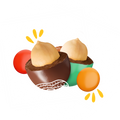 Dragees
 Cakes & Muffins
 Sweets & Gummies
 Cookies
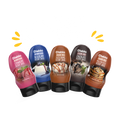 Dessert Sauces
 Wafers
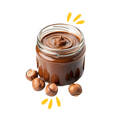 Spreads
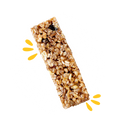 Muesli Bars
 Guilt-free Gifting
 Sales & Promotions

How Big Is the Sugar-Free Confectionery Market in 2026?
The global sugar-free confectionery market is valued at approximately USD 2.45 billion in 2024, growing at a CAGR of 4.2% to 5.4% and forecast to reach between USD 3.16 billion and USD 4.13 billion by 2030 to 2034. Key figures at a glance:
- ✓Market value (2024): USD 2.45 billion across all major research estimates
- ✓Sugar-free chocolate sub-market (2026): USD 3.15 billion to USD 3.33 billion, growing at 5.6% CAGR
- ✓Fastest growing segment: Premium sugar-free chocolate at 9.6% CAGR through 2033
- ✓Largest regional market: North America with approximately 38 to 40% global share
- ✓Fastest growing region: Asia-Pacific at 8.73% CAGR through 2030
- ✓Leading product category: Chocolate confectionery at 44.7% of market share
- ✓Primary growth driver: 830 million people worldwide living with diabetes, plus sugar taxes in 54+ countries
Something significant has shifted in the confectionery aisle over the last five years. Sugar-free chocolates, gummies, cookies and wafers have moved from a niche medical-diet category into a mainstream lifestyle choice. And the numbers backing that shift are compelling.
In 2026, the global sugar-free confectionery market is a multi-billion-dollar industry growing at roughly twice the rate of conventional confectionery. With over 830 million people worldwide living with diabetes, governments in more than 54 countries deploying sugar taxes, and millions more consumers voluntarily cutting sugar from their diets, demand for great-tasting sweets without the sugar penalty has never been stronger.
This guide brings together the most comprehensive set of sugar-free confectionery market statistics available in 2026, interprets what the data means for consumers and buyers alike, and explains why this category is one of the most significant growth stories in the global food industry right now.
Health-conscious shoppers, retailers evaluating category strategy, B2B buyers assessing suppliers, and anyone curious about where the sweet industry is heading will find the numbers here.
Contents
- What Is the Sugar-Free Confectionery Market?
- Market Size at a Glance: 2026 Snapshot
- Key Growth Drivers in 2026
- Market Segmentation: Which Products Are Growing Fastest?
- Regional Market Breakdown
- Who Is Buying Sugar-Free Confectionery?
- Sweeteners Compared: What Is Inside Your Sugar-Free Chocolate?
- Sugar-Free vs Traditional Confectionery
- Challenges and Restraints
- Opportunities for Retailers and B2B Buyers
- How Diablo Sugar Free Fits This Market
- Frequently Asked Questions
What Is the Sugar-Free Confectionery Market?
The sugar-free confectionery market covers all sweets, chocolates, candies, gummies, hard candies, mints, cookies and related products manufactured without traditional added sugars. Instead of sucrose, manufacturers use alternative sweeteners such as stevia, erythritol, xylitol, maltitol, monk fruit, aspartame or sucralose.
Under FDA guidelines, a product can legally carry the "sugar-free" label if it contains less than 0.5 grams of added or naturally occurring sugar per serving. Products labelled "no added sugar" (NAS) make a different promise: no sugars are added during manufacturing, though they may retain small amounts of naturally occurring sugars from other ingredients.
This distinction matters in practice. At Diablo Sugar Free, both "SF" (Sugar Free) and "NAS" (No Added Sugar) products are clearly labelled, covering chocolates, cookies, wafers, cakes, breakfast bars, gummies, spreads and hard sweets. Each product uses the correct claim based on its verified formulation.
The market sits at the intersection of three industries: traditional confectionery, health and wellness food, and the sugar substitutes sector. It is growing at significantly faster rates than broader confectionery, and its evolution reflects deeper changes in how consumers think about sugar, health and what a modern sweet treat looks like.
Sugar-Free Confectionery Market Size at a Glance: 2026 Snapshot
Global Market Valuation
The table below compares forecasts from the most authoritative market research organisations covering the global sugar-free confectionery market:
| Research Firm | 2024 Value | Projected Value | CAGR | Forecast Year |
|---|---|---|---|---|
| Grand View Research | USD 2.45 billion | USD 3.16 billion | 4.2% | 2030 |
| Fact.MR | USD 2.45 billion | USD 4.13 billion | 5.4% | 2034 |
| IMARC Group | USD 2.33 billion | USD 3.24 billion | 3.65% | 2033 |
| Persistence Market Research | USD 2.43 billion (2025) | USD 3.42 billion | 5.0% | 2032 |
| Future Market Insights | USD 2.64 billion (2025) | USD 4.18 billion | 4.7% | 2035 |
Consensus across all estimates: a USD 2.3 to 2.6 billion industry growing at 4 to 5.4% CAGR, with double-digit opportunities in premium and specialist sub-segments. Sources: Grand View Research, Fact.MR, IMARC Group, Persistence Market Research, Future Market Insights.
The overall confectionery industry is valued at USD 344.8 billion in 2026 (Future Market Insights) and the global candy market reached USD 68.5 billion in 2025 (DataM Intelligence), both growing at roughly 3 to 3.2% CAGR. The sugar-free segment is growing at nearly twice the rate of the conventional market, making it one of the most outperforming categories in food retail.
The Sugar-Free Chocolate Sub-Market
Chocolate is the dominant product within this industry. The sugar-free chocolate market was valued at between USD 1.38 billion and USD 3.15 billion in 2024 to 2025, depending on whether estimates include closely adjacent sugar-free confectionery alongside pure chocolate.
Deep Market Insights places the global sugar-free chocolate market at USD 3.15 billion in 2025, rising to USD 3.33 billion in 2026 at a 5.6% CAGR, on track to reach USD 4.37 billion by 2031. Market Research Future estimates a tighter band of USD 1.52 billion in 2024 reaching USD 2.58 billion by 2034 (5.4% CAGR). The 100% sugar-free chocolate segment alone commands approximately 58% of total sugar-free chocolate market share, driven by keto diet adoption and diabetes management needs.
The Premium Segment: The Fastest Growing Tier
The premium sugar-free chocolate market is the most notable growth story in the entire category. Valued at USD 1.76 billion in 2024 and USD 1.93 billion in 2025, it is projected to more than double to USD 4.03 billion by 2033, representing a 9.6% CAGR (Straits Research).
This growth reflects a clear consumer shift: buyers are no longer willing to accept inferior-tasting sugar-free products. They expect premium ingredients, sophisticated flavour profiles and packaging that communicates quality, and they are prepared to pay a premium for it.
Key Growth Drivers in 2026
1. Rising Diabetes and Metabolic Disease Prevalence
This is the single largest structural driver in the market. The WHO reports that between 1990 and 2022, diabetes prevalence increased fourfold globally, with 830 million people currently living with the condition. Asia-Pacific alone is projected to have 1.31 billion diabetes cases by 2050.
For many of these consumers, sugar-free confectionery is less a lifestyle preference than a settled shopping habit. Products sweetened with polyols deliver sweetness with a lower and slower blood glucose rise than sugar-containing equivalents. This creates a large, highly loyal consumer base actively seeking trusted sugar-free brands.
- 19.7% of children and adolescents aged 2 to 19 in the USA are affected by obesity (CDC)
- USD 495.8 million: the US sugar-free confectionery market in 2024, growing at 5.6% CAGR through 2034
- UK, Germany, Netherlands and Nordic nations are the primary European demand centres
- 8.73% CAGR: Asia-Pacific growth rate through 2030, the fastest of all regions globally
2. Sugar Taxes and Government Regulation
As of 2026, 54 nations have deployed sugar taxes or fiscal controls on sugary beverages and confectionery. The UK's sugar levy triggered reformulation across the entire food industry. Several major UK retailers have banned the sale of confectionery and sugary beverages at checkout registers.
The FDA has introduced labelling mandates requiring manufacturers to disclose added sugar on food labels, making it harder for traditional confectionery to obscure high sugar content. These regulatory pressures accelerate the shift towards sugar-free reformulation across all confectionery categories, benefiting brands built around low-sugar formulations from the outset.
3. The Keto and Low-Carb Revolution
The ketogenic diet limits carbohydrates including sugar to around 20 to 50 grams per day. Keto followers are among the most consistent purchasers of sugar-free chocolate, cookies and gummies. Their communities on social media actively recommend products to each other, creating organic word-of-mouth that no advertising budget can replicate.
The paleo diet, clean eating movement and intermittent fasting communities have similarly shifted sugar-free confectionery from a specialist medical-diet purchase to a mainstream lifestyle choice. This demographic shift is arguably the most significant structural change the market has seen in its modern history.
4. Sweetener Technology Innovation
Early sugar-free products suffered from real taste and texture problems, and early-generation sweeteners left bitter aftertastes. Rapid innovation in sweetener technology has transformed the category considerably.
Today's best sugar-free products use carefully blended combinations of sweeteners, polyols such as maltitol and erythritol alongside natural sweeteners such as stevia, to achieve taste profiles that closely match their sugary equivalents. Natural sweeteners like stevia and monk fruit are now preferred by 42.4% of consumers purchasing sugar-free snacks (Market.us), reflecting the broader clean-label movement.
Market Segmentation: Which Products Are Growing Fastest?
By Product Type
| Product Category | Market Share | Growth Trend | Key Consumer Driver |
|---|---|---|---|
| Sugar-Free Chocolate | 44.7% | Strong | Diabetes management, keto diets, antioxidant profile of dark cocoa |
| Sugar-Free Gummies | ~18% | Very strong | Parents reducing children's sugar intake |
| Hard Candy and Mints | ~15% | Moderate | Sugar-conscious shoppers, on-the-go convenience |
| Sugar-Free Cookies | ~12% | Strong | Weight management, snacking alternatives to biscuits |
| Wafers and Bars | ~8% | Growing | Fitness nutrition, breakfast substitutes |
| Spreads, Sauces and Others | ~3% | Emerging | Home baking, health food retail, gifting formats |
Sources: Grand View Research, IMARC Group, Persistence Market Research. Market share estimates are approximate and vary by study scope.
Chocolate confectionery dominates the sugar-free market because it enjoys universal appeal across age groups and demographics. Dark chocolate specifically carries health credentials including antioxidants and flavonoids that align well with health-conscious messaging, and the category benefits from a strong premium positioning that supports higher retail prices.
By Sweetener Ingredient
The sweetener used in a sugar-free product has become a meaningful marketing asset in its own right. Consumers are reading labels and choosing based on ingredient preferences, particularly around the natural versus artificial distinction.
| Sweetener | Type | GI Score | Consumer Preference | Common Use |
|---|---|---|---|---|
| Maltitol | Sugar alcohol (polyol) | ~35 | Widely used, practical | Chocolates, cookies, gummies |
| Erythritol | Sugar alcohol (polyol) | 0 to 1 | Very high, clean-label | Premium chocolates, keto products |
| Stevia | Plant-based | 0 | Very high, natural | Hard candy, gummies, beverages |
| Xylitol | Sugar alcohol (polyol) | 7 to 13 | High, dental health associations | Gum, mints, dental care sweets |
| Monk Fruit | Plant-based | 0 | Rising, premium positioning | Premium chocolates, health stores |
| Sucralose | Artificial | 0 | Moderate, functional | Budget sweets, functional foods |
Sources: GoodRx, Mayo Clinic, Diet Doctor, PMC research, Healthline. GI values are reference figures and may vary by product.
Diablo Sugar Free products use polyols (sugar alcohols) as their primary sweetening approach across the entire range, from the Diablo NAS 80% Dark Chocolate 75g and Diablo No Added Sugar Dark Chocolate 85 g to the full cookies, gummies and wafers ranges. Polyols provide sweetness while contributing fewer calories than sugar, and consumption of foods containing maltitol instead of sugar induces a lower blood glucose rise after their consumption compared to sugar-containing foods (GB nutrition and health claims register). Every product carries full nutrition data, so shoppers can see exactly what they are buying.
By Distribution Channel
Where consumers buy sugar-free confectionery has changed considerably since 2020. The current distribution picture for 2026 shows a market in clear transition:
Hypermarkets and Supermarkets
Still the dominant channel but declining in relative share as online grows. Health-oriented sections within major supermarkets are expanding.
Online and D2C
The fastest-growing channel at 11.27% CAGR (Mordor Intelligence). Accelerated by COVID-19 lockdowns and subscription snack box models.
Specialist Health Stores
Increasing strongly as health positioning becomes a premium differentiator. Consumers shopping here actively seek out sugar-free and functional products.
Pharmacies
Stable channel. Shoppers managing diabetes remain a core pharmacy base seeking trusted, clearly labelled products.
Regional Market Breakdown
| Region | Market Share | CAGR | Status | Key Demand Factors |
|---|---|---|---|---|
| North America | 38 to 40% | 5.6% | Market Leader | High diabetes prevalence, mature keto adoption, strong health retail infrastructure |
| Europe | ~28% | 4.5% | Strong | Sugar taxes in UK and EU, government reformulation pressure, dental health endorsements |
| Asia-Pacific | ~20% | 8.73% | Fastest Growing | Rising urbanisation, growing middle class, 1.31 billion projected diabetes cases by 2050 |
| Middle East | ~7% | ~7% | Premium Opportunity | World's highest diabetes prevalence, luxury consumption patterns, gifting culture |
| Latin America and Africa | ~5% | ~6% | Emerging | Urbanisation, improving retail infrastructure, rising health awareness in urban centres |
Sources: Grand View Research, Mordor Intelligence, Deep Market Insights. Regional share figures are approximate and reflect 2024 to 2026 consensus estimates.
North America: The Market Leader
North America holds approximately 38 to 40% of the global sugar-free confectionery market, the largest regional share worldwide. The United States alone accounts for USD 495.8 million in 2024, projected to grow at 5.6% CAGR through 2034 with an absolute opportunity of USD 361.9 million over that period.
The USA benefits from a mature health retail infrastructure, high health awareness, widespread keto diet adoption and one of the highest diabetes prevalence rates in the developed world. E-commerce, subscription snack boxes and specialist health brands have built significant market share. The expansion of seasonal sugar-free formats around Easter, Halloween and Christmas has also opened new gifting opportunities.
Europe: Regulation-Led Growth
Europe holds a substantial second position globally. The UK, Germany, Netherlands and Nordic nations are the primary demand centres. Unlike North America where growth is primarily consumer-led, European growth is increasingly regulation-driven: sugar levies, front-of-pack labelling reforms and WHO-backed government campaigns are pushing both manufacturers and consumers towards sugar reduction.
The European Union and World Dental Federation both endorse sugar-free gum for oral health benefits, creating an additional demand catalyst beyond weight management and diabetes. The UK market is particularly active, with growing demand from people with diabetes, keto followers and parents seeking lower-sugar snack options for children.
Asia-Pacific: The Fastest Growing Region
Asia-Pacific is advancing at an 8.73% CAGR through 2030, nearly double the global average. With rising urbanisation, growing middle-class incomes and a projected 1.31 billion diabetes cases by 2050, the demand fundamentals are extraordinary.
Japan, South Korea, India and Australia are the most developed markets in the region. China is growing rapidly. Premium sugar-free products from European brands command significant price premiums in this region, where "imported quality" carries strong consumer appeal. The region's gifting culture also supports premium sugar-free confectionery formats, particularly around major seasonal occasions.
Middle East: The Premium Opportunity
The Middle East, particularly the UAE, Saudi Arabia and Qatar, shows remarkable premium sugar-free chocolate demand. High-income populations, luxury consumption habits and some of the highest diabetes prevalence rates in the world (nearly 20% of adults in Gulf states) create a unique combination of medical need and spending capacity.
The region's strong gifting culture and preference for premium confectionery make high-quality sugar-free chocolate boxes and assortments well-positioned. Africa, while earlier in its development, is urbanising rapidly and improving retail infrastructure, creating meaningful long-term opportunities for brands that establish presence early.
Who Is Buying Sugar-Free Confectionery? Consumer Personas in 2026
Understanding who actually buys sugar-free confectionery and what motivates them is essential for brands and retailers alike. The market is considerably more diverse than most people assume.
| Consumer Persona | Primary Need | What They Typically Buy | Key Purchase Driver |
|---|---|---|---|
| Consumers with Diabetes | Blood glucose management | SF chocolates, candies, cookies | Trusted labelling, verified sugars figures |
| Keto and Low-Carb Followers | Stay in nutritional ketosis | Dark chocolate, gummies, wafers | Net carb counts, label transparency |
| Weight-Conscious Adults | Calorie management | Portion-controlled snacks, chocolate bars | A sweet treat without the sugar, calorie counts on-pack |
| Health-Conscious Millennials and Gen Z | Clean eating, ingredient transparency | Premium chocolates, NAS ranges | Natural sweeteners, clean labels, ethical sourcing |
| Fitness Enthusiasts | Support training and body composition | Protein-enriched SF bars, cookies | Low sugar, functional nutrition profile |
| Parents | Healthier options for children | SF gummies, chocolate buttons, wafers | Reduce childhood sugar intake, address obesity concern |
| Consumers with Prediabetes | Proactive sugar reduction | NAS chocolates, reduced-sugar biscuits | Doctor's advice, proactive sugar management |
Consumer persona profiles compiled from Mordor Intelligence, Market.us, Grand View Research and Persistence Market Research consumer insights, 2025 to 2026.
One important data point: 25.1% of children and 41.4% of adults now regularly consume low-calorie sweeteners in some form (Market.us). This is not a niche. Sugar-free confectionery has achieved meaningful mass-market penetration among health-conscious consumers and will continue to broaden as awareness grows.
Sweeteners Compared: What Is Inside Your Sugar-Free Chocolate?
Consumers in 2026 are more ingredient-literate than any previous generation. Here is a plain-language guide to the key sweeteners found in sugar-free confectionery and what each means for health, taste and blood sugar response.
Polyols (Sugar Alcohols): The Foundation of Most Sugar-Free Confectionery
Polyols are the family of sweeteners most widely used in sugar-free chocolates and cookies. They are partially absorbed by the body, contributing fewer calories than sugar and producing a lower and slower rise in blood glucose than sugar.
| Polyol | GI Score | Relative Sweetness vs Sugar | Key Property | Common Products |
|---|---|---|---|---|
| Maltitol | ~35 | 75% | Excellent cocoa-melting properties, widely available | Chocolate bars, coated products |
| Erythritol | 0 to 1 | 60 to 70% | Near zero calories, minimal digestive impact | Premium chocolates, keto products |
| Xylitol | 7 to 13 | 100% | Matches sugar for sweetness, popular in chewing gum | Gum, mints, dental sweets |
| Sorbitol | 9 | 60% | Cost-effective, widely used in hard candy | Hard candies, boiled sweets |
| Isomalt | 2 | 45 to 60% | Heat-stable, good for hard confections | Boiled sweets, lollipops |
Sources: Healthline, Diet Doctor, Mayo Clinic. GI values are reference figures and may vary by individual product and consumption context.
Consuming very large quantities of polyols can cause a laxative effect in some individuals. Product labels carry an advisory for this reason. At normal serving sizes this is not a practical concern, but portion awareness remains important, particularly for new consumers of sugar-free products.
Plant-Based Sweeteners: The Natural Choice
- Stevia is derived from the Stevia rebaudiana plant and provides sweetness via steviol glycosides. It has a glycaemic index of zero. The FDA classifies high-purity stevia extracts as Generally Recognised As Safe (GRAS). It is 200 to 300 times sweeter than sugar and increasingly the first choice for clean-label products.
- Monk Fruit (luo han guo) contains natural compounds called mogrosides that provide sweetness without affecting blood glucose. Its GI is zero. It is more expensive than other sweeteners, which is why it appears most often in premium product ranges.
- Allulose is a rare sugar found naturally in small quantities in figs and raisins. It has a GI of approximately 1. It is growing in availability, particularly in the USA market.
Sugar-Free vs Traditional Confectionery: Full Comparison
| Factor | Traditional Confectionery | Sugar-Free Confectionery |
|---|---|---|
| Added Sugar Content | 20 to 60g per 100g typical | 0g added sugar (less than 0.5g per serving under FDA definition) |
| Glycaemic Impact | High, significant blood glucose spike | Lower and slower rise than sugar with polyol or plant-based sweetener formulations |
| Calories per 100g | 400 to 550 kcal typical | 300 to 490 kcal depending on product |
| Dental Health | Harmful, promotes tooth decay | Polyols are not sugars |
| Price Premium | Lower, commodity ingredients | Approximately 20 to 40% higher due to speciality sweeteners |
| Market Growth Rate | 2.95 to 3.2% CAGR (2026 to 2034) | 4.2 to 9.6% CAGR depending on segment |
| Consumer Trend Alignment | Under pressure from sugar reduction campaigns | Strongly aligned with health, keto and diabetes demographics |
| Regulatory Environment | High pressure from sugar taxes and labelling mandates | Favoured by government sugar reduction targets |
Comparison based on aggregated data from Grand View Research, Mordor Intelligence, FDA guidelines and Future Market Insights confectionery market reports, 2025 to 2026.
Challenges and Restraints in the Sugar-Free Confectionery Market
A complete market picture requires an honest account of the headwinds alongside the tailwinds. The sugar-free confectionery market faces several structural challenges that manufacturers and retailers must navigate.
Taste and Texture Perception
Despite substantial progress in sweetener technology, consumer perception remains a challenge. Many shoppers still associate "sugar-free" with inferior taste, an association rooted in early-generation products that were not palatable by today's standards. Overcoming this requires better product formulation, active sampling programmes and authentic consumer storytelling rather than claims-led marketing alone.
Cost of Alternative Sweeteners
High-quality natural sweeteners including erythritol, stevia and monk fruit are significantly more expensive than sucrose. This cost flows through to retail prices. Sugar-free products typically command a 20 to 40% price premium over conventional equivalents, creating a barrier in price-sensitive markets and with consumers not yet motivated by a specific health need.
Regulatory Complexity
What can and cannot be labelled "sugar-free" varies by jurisdiction. The EU, USA, UK and Asia-Pacific markets all operate under different labelling standards, permitted sweetener lists and health claim regulations. Global brands must navigate a complex patchwork of compliance requirements, adding cost and lead time to market entry strategies.
Consumer Misconceptions Around Calorie Content
A proportion of consumers, particularly those not motivated by diabetes or specific dietary goals, incorrectly assume that "sugar-free" automatically means "low calorie" or "eat as much as you want". Sugar-free chocolate can still be calorie-dense because the fat and protein content from cocoa butter and dairy remains similar to conventional chocolate. Clear, accurate nutrition communication is an ongoing responsibility for the entire category.
Opportunities for Retailers and B2B Buyers
For supermarkets, health food stores, gym nutrition retailers, online platforms and international distributors, the sugar-free confectionery market represents one of the strongest category growth opportunities in food retail today.
- Dedicated sugar-free shelf sections are outperforming general confectionery on a per-SKU basis in health-oriented retailers, particularly in the UK, Germany and Scandinavia
- Online D2C and marketplace channels are growing at over 11% CAGR, an area where health-conscious consumers significantly over-index compared to the general population
- Seasonal gifting formats including Easter, Christmas, Eid and Diwali represent an underdeveloped opportunity for premium sugar-free gift ranges in both retail and B2B channels
- Gym, pharmacy and travel retail channels are natural distribution fits for sugar-free snack formats, particularly bars, individual portions and bite-size chocolates
- B2B foodservice including airlines, hotels and corporate catering increasingly specifies sugar-free options to accommodate guests with diabetes and other dietary needs
- Private label opportunities exist for retailers seeking to capture category margin in a fast-growing segment without fragmenting their supplier base
A sugar-free confectionery supplier offering verified products across chocolates, cookies, wafers, cakes, gummies, hard sweets, spreads and breakfast bars enables retailers to build a credible, comprehensive sugar-free section from a single supplier relationship. This dramatically reduces range-building complexity and ensures consistent labelling standards across all products.
How Diablo Sugar Free Fits This Market
Diablo Sugar Free is a brand built specifically to serve every segment of this growing market. With 91 products across 10 confectionery categories, the range covers the full breadth of what sugar-free confectionery consumers are looking for.
The product range spans chocolates including the Diablo NAS 80% Dark Chocolate 75g, Diablo No Added Sugar Dark Chocolate 85 g, Diablo NAS Milk Chocolate 85g and the Diablo NAS Luxury Chocolate Box 142g; through to cookies such as the Diablo SF Chocolate Chip Cookies 130g, Diablo NAS Butter Cookies 135g and Diablo NAS Almond Cookies 145g; wafers including the Diablo NAS Cream Filled Milk Chocolate Wafers 150g; gummies including Diablo SF Gummy Bears 75g and Diablo SF Gummy Drops 75g; and breakfast bars across nine varieties in the NAS Muesli Bar and Yoghurt Muesli Bar ranges.
The range is built on polyol sweeteners (sugar alcohols): consumption of foods containing maltitol instead of sugar induces a lower blood glucose rise after their consumption compared to sugar-containing foods (GB nutrition and health claims register). Products carry either the Sugar Free (SF) or No Added Sugar (NAS) claim, always applied correctly based on verified Certificate of Analysis nutritional data. The range spans everyday affordable formats through to premium gift box formats, addressing both mass-market and premium-tier demand.
Diablo Sugar Free supplies supermarkets, health food stores, online grocery platforms, gym nutrition stores and international distributors. The range offers comprehensive category coverage across all major sugar-free confectionery segments, with verified EU-format nutritional data on every product. Contact our trade team to discuss ranging, pricing and distribution options.
Shop Diablo Chocolates


Shop the Full Diablo Range


Frequently Asked Questions
The global sugar-free confectionery market is valued at approximately USD 2.43 to 2.64 billion in 2025 to 2026, depending on the scope of the study. The broader sugar-free food and beverage market, which includes confectionery as one segment, is valued at USD 67.5 billion in 2025. The sugar-free chocolate sub-market specifically is valued at between USD 3.15 billion and USD 3.33 billion in 2025 to 2026. The overall confectionery industry including sugared products is valued at USD 344.8 billion in 2026.
The premium sugar-free chocolate segment is the fastest-growing tier, expanding at a 9.6% CAGR from 2025 to 2033 (Straits Research). Among product categories, 100% sugar-free chocolate holds approximately 58% of the sugar-free chocolate market share. By distribution channel, online retail and D2C is the fastest-growing at 11.27% CAGR through 2030 (Mordor Intelligence). By region, Asia-Pacific leads growth at 8.73% CAGR through 2030.
Different research firms report slightly different figures depending on their methodology and scope. The consensus range is 4.2 to 5.4% CAGR for the core sugar-free confectionery market through 2030 to 2034. The sugar-free candy and chocolate segment shows a higher CAGR of 7.5%. The premium sugar-free chocolate segment leads at 9.6% CAGR. The broader conventional confectionery market, by comparison, grows at only 2.95 to 3.2% CAGR, making sugar-free a significantly outperforming category.
North America, led by the USA, holds the largest regional share at 38 to 40% globally. The USA alone represents USD 495.8 million in 2024. In Europe, the UK, Germany, Netherlands and Nordic nations are the top demand markets. In Asia-Pacific, Japan, South Korea, Australia and India are most developed. The Middle East, particularly the UAE, Saudi Arabia and Qatar, shows some of the strongest per-capita premium demand globally, driven by high diabetes prevalence and luxury consumption patterns.
The most common sweeteners in sugar-free confectionery are: maltitol (a polyol widely used in chocolate for excellent melting properties, GI approximately 35), erythritol (near zero-calorie polyol preferred in premium products), xylitol (polyol with dental health benefits, common in gum and mints), stevia (natural plant-based sweetener with zero GI, 200 to 300 times sweeter than sugar), monk fruit extract (natural, zero calorie, premium positioning) and sucralose (artificial sweetener used in some lower-cost products). Many products use blended sweetener systems to optimise taste, texture and cost. Diablo Sugar Free products use polyol-based sweetener systems.
Three structural factors are driving the gap: first, the global diabetes epidemic with 830 million people living with the condition and millions more with prediabetes; second, government-level intervention through sugar taxes in 54+ countries and mandatory front-of-pack labelling that highlights sugar content; and third, the adoption of low-carb and ketogenic diets by tens of millions of consumers who actively need zero-sugar confectionery options. Together these forces create sustained, long-term demand that conventional confectionery does not benefit from.
Sugar-free confectionery contains at most 0.5 grams of sugar per serving under the FDA definition, and consumption of foods containing maltitol instead of sugar induces a lower blood glucose rise after their consumption compared to sugar-containing foods (GB nutrition and health claims register). Anyone managing diabetes should still check the full nutrition label including total carbohydrates, keep portions sensible, and discuss dietary changes with their healthcare provider or registered dietitian. Sugar-free does not mean unlimited quantities.
Diablo Sugar Free products are available directly from our online store with delivery across Europe and beyond. The range is also stocked in selected supermarkets, health food stores and specialist retailers. For B2B, wholesale and international distribution enquiries, contact our trade team. Our full product range of 91 sugar-free and no added sugar products across chocolates, cookies, wafers, cakes, gummies, breakfast bars, spreads and sweets is always available online.
References and Sources
- Grand View Research. Sugar-Free Confectionery Market Size and Forecast, 2024 to 2030. grandviewresearch.com
- Fact.MR. Sugar-Free Confectionery Market Statistics, 2024 to 2034. factmr.com
- IMARC Group. Sugar-Free Confectionery Market Analysis, 2025 to 2033. imarcgroup.com
- Mordor Intelligence. Sugar-Free Food and Beverages Market, 2025 to 2030. mordorintelligence.com
- Persistence Market Research. Sugar-Free Confectionery Market Share and Trends Analysis, 2025 to 2032. persistencemarketresearch.com
- Future Market Insights. Confectionery Industry Value 2026; Sugar-Free Sweets Market, 2025 to 2035. futuremarketinsights.com
- Deep Market Insights. Sugar-Free Chocolate Market Research Report, 2026 to 2031. deepmarketinsights.com
- Straits Research. Premium Sugar-Free Chocolate Market, 2025 to 2033. straitsresearch.com
- Market Research Future. Global Sugar-Free Chocolate Market, 2025 to 2034. marketresearchfuture.com
- Verified Market Reports. Sugar Free Candy and Chocolate Market, 2026 to 2034. verifiedmarketreports.com
- Market.us. Sugar-Free Snacks Market Report, 2025 to 2034. market.us
- World Health Organization. Global Diabetes Prevalence Data, 1990 to 2022. who.int
- FDA. Sugar-Free Labelling Standards and GRAS Classification for Sweeteners. fda.gov
- CDC. Childhood and Adolescent Obesity Prevalence Data. cdc.gov
- DataM Intelligence. Global Candy Market, 2025 to 2033. datamintelligence.com
Shop the Full Diablo Sugar Free Range
91 sugar-free and no added sugar products across chocolates, cookies, wafers, cakes, gummies, breakfast bars, spreads and sweets. Formulated with polyol sweeteners. No added sugar. Verified nutrition on every product. Made for everyone who refuses to give up life's sweet moments.
Shop Diablo Sugar Free NowNo added sugar. Sweetened with polyols. Real sweetness, done right.