 Chocolate Bars
 Dragees
 Cakes & Muffins
 Sweets & Gummies
 Cookies
 Dessert Sauces
 Wafers
 Spreads
 Muesli Bars
 Guilt-free Gifting
 Sales & Promotions

How to Stock Sugar-Free Confectionery: The Six-Step Summary
Building a profitable sugar-free confectionery range requires the right category strategy, not simply picking a few products off a wholesale list. Here is what the evidence and retail data show:
- +Identify your customer first: shoppers managing diabetes, keto followers, health-conscious and weight-management shoppers each have slightly different product priorities
- +Range across categories: a minimum opening range of 8 to 12 SKUs across chocolate, cookies, wafers, bars and gummies gives full category coverage
- +Understand the label difference: Sugar Free (SF) and No Added Sugar (NAS) are distinct claims with different regulatory meanings and different customer uses
- +Place at eye level: 120 to 160 cm from the floor is the highest-converting shelf position, known as the golden shelf
- +Train your staff: five key facts about polyols and sugar-free labelling can measurably lift conversion in this category
- +Expect strong margins: sugar-free confectionery typically supports 40 to 50% retail margins and delivers high repeat purchase rates
The sweets aisle is changing faster than most retailers have updated their ranging strategy. Customers who once had no option but to avoid the confectionery section entirely are now one of the most loyal and high-value segments in the category. They are shoppers managing diabetes, keto followers, fitness-focused buyers and health-conscious parents, and they are actively looking for stores that understand their needs.
If your store does not stock a considered sugar-free confectionery range, those customers go elsewhere. And once they find a retailer that serves them well, they rarely come back.
This guide gives you a complete, practical framework for building, ranging, merchandising, and managing sugar-free confectionery in your store. It covers everything from understanding label claims and selecting the right product categories to shelf placement strategy, staff training, pricing and choosing the right supplier partner.
This guide is written for retail buyers, category managers, store owners, and wholesale purchasers across supermarkets, health food stores, pharmacies, gym nutrition retailers, convenience stores, and online grocery platforms. All product references are to the Diablo Sugar Free range, verified against Certificate of Analysis (COA) documents across 91 products.
Why Sugar-Free Confectionery Belongs in Your Store Now
Sugar-free confectionery is no longer a category add-on for specialist health food retailers. It is a mainstream demand driven by four converging forces: rising chronic disease prevalence, sustained interest in low-carbohydrate eating, tightening food regulation, and a generation of shoppers who read labels before they buy.
The Customer Base Is Already in Your Store
Your existing customers are more likely to want sugar-free options than you may realise. Consider who is walking through your door each week.
- People managing diabetes and prediabetes represent one of the most committed repeat-purchase segments in the category. Over 537 million adults globally live with diabetes, a figure that continues to rise each year
- Keto and low-carbohydrate followers are active across all store formats. This group actively avoids added sugar as a dietary priority, not merely a preference
- Health-conscious working adults make label-reading habitual. This segment skews 25 to 45, is comfortable spending a premium on health-focused products and values availability in convenient formats
- Fitness and weight-management shoppers seek lower-calorie snacks that still satisfy a craving without undermining their goals. Sugar-free confectionery fits this brief directly
- Parents choosing for their children represent a growing sub-segment, particularly for gummies, bars and individually wrapped formats
Regulation Is Reshaping What You Can Sell and Where
In the United Kingdom and across Europe, HFSS (High Fat, Salt, Sugar) regulations are restricting where traditional confectionery can be placed, promoted and displayed. Products that fall outside the HFSS classification can be merchandised in premium shelf positions, featured in promotional displays, and included in multi-buy offers that standard confectionery can no longer access.
Sugar-free confectionery that meets HFSS compliance criteria represents not only a category opportunity but a shelf positioning advantage. Retailers who recognise this early gain a significant competitive edge.
Research from Talking Retail and Storck UK confirms that non-HFSS confectionery products can be placed anywhere in store, including at checkout, in endcap displays and in promotional zones. This is a meaningful commercial lever unavailable to standard confectionery lines.
The Margin Opportunity Is Stronger Than in Standard Confectionery
Sugar-free confectionery commands a price premium that reflects genuine ingredient cost differences. Quality sweeteners such as stevia, polyols and monk fruit cost more to produce than refined sugar. Shoppers in this segment accept and expect this premium. The result is that sugar-free lines typically support 40 to 50% retail margins and carry lower price elasticity than mainstream confectionery.
Shoppers in this segment also buy with purpose. They came to your store specifically for these products. That means lower abandonment rates, stronger basket conversion, and more reliable repeat purchase cycles than impulse-led confectionery categories.
Understanding the Label: Sugar Free vs No Added Sugar
Before a single product is selected for your range, your buying team needs a clear understanding of two terms that appear on every product in this category and are frequently confused, both by buyers and by consumers.
| Label Claim | Regulatory Meaning | Typical Sweetener | Who It Serves Best |
|---|---|---|---|
| Sugar Free (SF) | Contains no sugars, or sugars below the legal threshold per 100g (typically under 0.5g per 100g in the EU) | Polyols (maltitol, xylitol, erythritol), stevia, sucralose | Shoppers seeking the strictest sugars threshold, including strict keto followers and label-checking buyers |
| No Added Sugar (NAS) | No sugars have been added during manufacture. Naturally occurring sugars from ingredients (fruit, dairy, grains) may be present | Polyols alongside naturally present sugars from base ingredients | Health-conscious consumers reducing intake, those who prefer natural ingredient profiles |
| Reduced Sugar | At least 30% less sugar than the comparable standard product | Part sugar, part sweetener blend | Mainstream health-conscious shoppers making a gradual reduction |
| Unsweetened | Contains no sweeteners of any kind, added or otherwise | None | Clean-label, natural diet followers; functional food users |
Source: EU Regulation No 1924/2006 on nutrition and health claims. Always verify specific claims against the product's Certificate of Analysis and applicable local regulation.
How This Distinction Affects Your Range
The Diablo Sugar Free range includes both SF and NAS products, and this distinction is not interchangeable. Diablo muesli bars carry the NAS label because the base ingredients (oats, dried fruit, nuts) contain naturally occurring sugars that cannot be removed. Parts of the range, such as the gummies, hard sweets and selected chocolate and cookie lines, carry the SF label because those recipes keep sugars at or below 0.5g per 100g, while other chocolate and cookie lines carry the NAS label.
Stocking both types is not a complication. It is an advantage. Your SF products serve shoppers who want the strictest sugars threshold on the label. Your NAS products serve health-conscious shoppers who want a cleaner, less processed snack without added sugar. Together, they cover the full range of health motivations in your customer base.
A Note on Polyols for Retail Staff and Signage
Polyols are sugar alcohols used as sweeteners in most Diablo Sugar Free products. They provide sweetness with a significantly lower glycaemic impact than sucrose and are widely accepted by people managing diabetes and following ketogenic diets. Key polyols you will encounter on product labels include maltitol, xylitol, erythritol, isomalt and sorbitol.
European labelling regulations require a warning on products containing more than 10g of polyols per 100g: "excessive consumption may produce laxative effects." Your staff should be aware of this so they can address customer questions confidently and accurately.
Choosing the Right Product Categories for Your Store
A well-built sugar-free confectionery range does not require stocking every available SKU. The right starting range depends on your store format, your customer demographic and your available shelf space. The following breakdown covers each product category within the Diablo Sugar Free range and the retail contexts where each performs best.
Chocolate Confectionery
Chocolate is the anchor category. It accounts for 44.7% of global sugar-free confectionery market share and is the first product type the majority of health-motivated shoppers look for when entering a sugar-free section.
- Individual bars (35 to 100g) are the strongest impulse format and perform well at checkout, in endcap displays and on eye-level shelves
- Multi-pack formats (P12, P24) serve family shoppers and grocery buyers. They support a larger average transaction and work well in supermarket and online formats
- Filled and flavoured bars drive premiumisation and gifting occasions. They support higher price points and longer dwell time in the category
The Diablo Sugar Free chocolate range spans milk, dark and white chocolate in multiple bar formats, filled variants and multipack configurations. All are formulated using polyol-based sweeteners with no added sugar.
Shop Diablo Chocolates


Cookies and Biscuits
Cookies are the second most commercially important category in sugar-free confectionery retail. They are a high-frequency, everyday snack purchase with strong repeat buying behaviour. Shoppers who find a sugar-free cookie they genuinely enjoy return for it regularly.
- Single-serve formats (75 to 100g) serve the individual snacking occasion and are suited to convenience, gym and pharmacy formats
- Larger packs (135g to 200g) suit family grocery shoppers and health food stores where higher volume purchases are the norm
- Sandwich cookies with filling command a premium price point and serve the occasion-led treat category
Diablo Sugar Free cookies are available in hazelnut, chocolate chip, peanut butter, brownie, caramel and further flavour variants. Selected cookie lines use US-format nutritional labelling for export market compliance. Flavours including the Diablo SF Chocolate Chip Cookies and Diablo NAS Hazelnut Cookies are among the range's most consistent retail performers.
Shop Diablo Cookies


Wafers
Wafers are the most underrated category in sugar-free retail. Their light, crispy texture appeals to consumers seeking a lower-calorie confectionery option, and they pair naturally with hot drinks, making them a strong cross-merchandising candidate near coffee pods, herbal teas and hot drink accessories.
Diablo Sugar Free wafers are available in 150g formats in milk chocolate and hazelnut variants. Their ambient storage requirements and long shelf life make them simple to range and manage from an inventory perspective.
Muesli and Breakfast Bars
Nutritional bars occupy a strategically important position in the sugar-free range because they bridge confectionery and functional food. This makes them particularly relevant for gym nutrition stores, pharmacies and health food retailers where shoppers are making nutrition-led decisions rather than purely impulse choices.
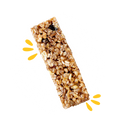
Diablo NAS Muesli Bars are available in 30g individual formats across nine flavours: Apricot, Cranberry and Raspberry, Hazelnut, Lime, Strawberry, Blueberry, Chia and Lemon, Walnut and Blackcurrant, and Mandarin and Almond. All carry the NAS label (not SF) as the base ingredients contain naturally occurring sugars from fruit, oats and nuts.
Each bar is enriched with folic acid, vitamin D and iron. This nutritional profile supports a meaningful on-shelf story beyond the absence of added sugar.
When writing shelf labels or POS for Diablo muesli bars, always use the NAS claim, never SF. The bars contain naturally occurring sugars from their base ingredients. Misrepresenting the claim on shelf exposes your store to a labelling compliance risk and undermines customer trust in the category.
Spreads
Sugar-free spreads represent a growing sub-category driven by demand for everyday kitchen staples without added sugar. They work exceptionally well in health food stores where the average basket includes multiple health-focused products, and in online grocery where shoppers are building a deliberate health-oriented weekly shop.
Diablo Sugar Free spreads are available in 350g jar formats across hazelnut chocolate, peanut butter and chocolate peanut butter variants. Selected lines use US-format nutritional labelling for export market compliance.
Cakes and Muffins
Individually wrapped cakes and muffins serve the impulse and food-to-go occasion. They are well-suited to coffee shop adjacent placements, convenience store checkouts and grab-and-go zones in supermarkets and petrol forecourts.
The Diablo Sugar Free cake range spans formats from 45g individual portions up to 400g larger formats, covering muffins, layered cakes and marble variants in chocolate, vanilla, orange and caramel flavours.
Gummies and Hard Sweets
Gummies and hard candies are essential for shoppers who want the experience of a traditional sweet without the sugar content. These are strong impulse categories and perform well at checkout and in clip-strip or dump-bin formats.
Diablo Sugar Free gummies are available in berry flavours in 75g formats. Hard sweets are available in toffee and caramel variants. Both categories use polyol-based sweetening with no added sugar.
Shop Diablo Sweets and Snacks


How to Build Your Opening Range: The Three-Tier Architecture
A disciplined, phased approach to range building produces better sales velocity, less waste and more reliable data for future buying decisions than trying to stock every available SKU from day one.
Core Range - Always In Stock
5 to 6 SKUs. High velocity, reliable sellers that form the backbone of the category. These should never be out of stock. Examples: SF chocolate bar, SF cookies in two flavours, NAS muesli bar, SF gummies.
Breadth Range - Category Coverage
4 to 6 SKUs. Varied formats and eating occasions that give the category depth. Examples: sandwich cookies, SF spread, SF cake or muffin format, large-format chocolate multipack.
Seasonal and Promotional
2 to 4 SKUs. Limited editions, gifting formats and seasonal lines. Manage tightly to avoid overstock. Examples: gift box chocolates, seasonal cake formats, new flavour launches.
Recommended Range by Store Format
| Store Type | Opening Range Size | Priority Categories | Key Customer Driver |
|---|---|---|---|
| Independent Convenience | 8 to 10 SKUs | Chocolate bars, gummies, hard sweets, individual cookies | Impulse purchase, local shoppers managing diabetes |
| Health Food Store | 12 to 16 SKUs | Full range across all categories | Planned health-motivated purchase, high basket value |
| Pharmacy or Chemist | 6 to 8 SKUs | Everyday formats: chocolate bars, muesli bars, gummies | Shoppers managing diabetes and prediabetes, care-led purchase |
| Gym or Nutrition Store | 8 to 10 SKUs | Muesli bars, wafers, cookies, spreads | Fitness and weight management, macro-aware shoppers |
| Supermarket | 15 to 20 SKUs | Full range plus seasonal gifting formats | Multiple segments within one store; breadth drives category value |
| Online Grocery or D2C | Full catalogue | All categories; breadth drives search and discovery | Planned health-motivated purchase; subscriptions and repeat orders |
Opening range sizes are recommendations based on store format and category data. Adjust based on your specific customer profile and shelf space availability.
Shelf Placement and Merchandising Strategy
The decision to stock sugar-free confectionery is only the first step. Where and how the range is displayed determines whether it sells. Poor placement, unclear signage and inadequate facings are the most common reasons a well-selected range underperforms.
The Golden Shelf and Eye-Level Placement
Research across multiple retail environments consistently identifies the golden shelf zone as the highest-converting position in any product category. This zone sits at approximately 120 to 160cm from the floor, placing products directly within the natural sight line of an adult shopper.
For sugar-free confectionery, eye-level placement is particularly important because many shoppers in this segment are actively seeking the category rather than discovering it through impulse. A shopper managing diabetes who knows what they are looking for and cannot find it easily will leave without purchasing. A health-conscious shopper browsing the confectionery aisle who spots clear sugar-free options at eye level is primed to trial.
Placing sugar-free confectionery on bottom shelves or in a poorly lit corner of the health aisle significantly reduces velocity for what should be a high-performing category. If your initial placement is not at eye level, advocate for it using your sales data at the next category review.
Dedicated Zone vs Integrated Placement
| Strategy | How It Works | Best For | Key Advantage |
|---|---|---|---|
| Dedicated Sugar-Free Zone | All SF and NAS products grouped together in a clearly signposted section | Health food stores, pharmacies, specialist retailers | Maximises navigation for motivated shoppers; builds category authority and destination status |
| Integrated Placement | SF products placed alongside standard equivalents within the main confectionery aisle | Convenience stores, smaller formats with space constraints | Reaches mainstream shoppers browsing the confectionery aisle; drives trial from non-SF buyers |
| Dual Placement (Recommended for Larger Formats) | Dedicated zone drives loyal shoppers; secondary placement in the main confectionery aisle drives discovery | Supermarkets, larger health food chains | Maximises reach across both motivated buyers and casual discoverers; strongest overall sales impact |
Signage: Make the Shopper's Decision Easy
Clear, benefit-led signage at shelf level is one of the highest-return investments available in the sugar-free category. Do not assume shoppers know what sugar-free means, who it is for, or that the products will taste good. Your signage needs to answer those questions before they are asked.
- Use shelf talkers with clear dietary icons: Sugar Free, No Added Sugar, Polyol-Sweetened
- Add a brief educational note at the category level: "These products use sugar alcohols (polyols) instead of sugar"
- Use colour coding consistently: green for sugar-free, yellow for no added sugar, so repeat shoppers can navigate the range without reading every label
- Highlight the vitamin and mineral content on bar shelves where NAS muesli bars are displayed, this nutritional story differentiates the category from standard confectionery
Checkout and Impulse Placement
Smaller sugar-free formats, specifically individual chocolate bars, gummies and hard sweets, are highly effective at the checkout. Shoppers managing diabetes and keto followers regularly discover new products at the point of sale when a small, familiar-format treat is available at a low price point. A checkout display of three to four SKUs from your Tier 1 core range can generate disproportionate revenue relative to the minimal space it occupies.
Choosing Your Sugar-Free Confectionery Supplier
The supplier you choose will define the quality, consistency, labelling accuracy and commercial terms of your entire sugar-free range. These are the criteria that separate a reliable long-term category partner from a supplier that creates problems at the shelf level.
| Criterion | What to Look For | Red Flags |
|---|---|---|
| Range Depth | Multiple categories covering the full confectionery occasion range: chocolate, cookies, bars, spreads, cakes, sweets | Single-category supplier with fewer than 10 SKUs; limited format variety |
| Labelling Accuracy | Nutritional data verified against Certificate of Analysis documents; correct and consistent SF vs NAS claims on all products | Inconsistent labelling across a product range; inability to provide COA documentation on request |
| Sweetener Transparency | Clear identification of the sweetener system used in every product, with per-100g sugars and polyols figures available on request | Vague ingredient declarations; nutrition figures that cannot be backed by documentation |
| Minimum Order Quantities | Flexible MOQs suited to your store format; ability to order at range level rather than forcing full case multiples of every SKU | Large minimums that force overstock of slow-moving lines; inflexible case sizes |
| Distribution Reliability | Consistent lead times; proactive communication around stock availability and new product launches | Frequent stock-outs; long and unpredictable replenishment windows; poor communication |
| Trade Marketing Support | Shelf-ready packaging, POS materials, planogram guidance, staff training resources | No trade support materials; no brand presence or marketing investment at retail level |
| Margin Structure | Wholesale pricing that supports a 40 to 50% retail margin consistently across the range | Pricing that compresses margin below 35%; opaque or variable wholesale cost structure |
Evaluation criteria based on standard retail buyer assessment frameworks and category management best practice.
Why Diablo Sugar Free Is a Strong Retail Category Partner
The Diabolo Sugar Free range, retailed under the Diablo brand, offers retail buyers one of the most comprehensive sugar-free confectionery portfolios available from a single supplier. With 91 COA-verified products across 10 categories, the range enables any retail format to build a complete sugar-free destination category without needing to manage multiple supplier relationships.
- All products use polyol-based sweeteners, delivering a well-established taste profile shoppers already recognise
- Products are available in both SF and NAS formats, correctly labelled and distinguishable, covering the full spectrum of health-motivated shopper needs
- Format sizes range from 30g single-serve muesli bars to 400g larger cake formats, covering every price point from impulse to planned purchase
- Selected cookie and spread lines carry US-format nutritional labelling for international retail buyers and export market compliance
- All nutritional data is verified against Certificate of Analysis documents, supporting accurate shelf labelling, compliance review and consumer confidence
Staff Training: Five Things Your Team Must Know
The most overlooked success factor in sugar-free confectionery retail is staff knowledge. A shopper with diabetes who asks whether a product is safe and receives a vague, incorrect or uncertain answer does not just leave without buying. They leave with a negative perception of your store's understanding of their needs.
A laminated quick-reference card covering the following five points, placed behind the counter or on the category shelf edge, takes under an hour to create and can meaningfully improve customer confidence and conversion in this category.
- Sugar-free does not mean calorie-free. These products still provide energy through fat, fibre, protein and polyols. What they remove is the added sugar, not the caloric density of the product itself
- Polyols are the sweeteners used. Sugar alcohols such as maltitol, xylitol, isomalt and erythritol provide sweetness with a lower effect on blood glucose than sucrose. They are used across the whole category and are familiar to most dietary frameworks including ketogenic diets
- Sugar Free and No Added Sugar are different claims. SF products contain no sugar. NAS products contain no added sugar but may include naturally occurring sugars from ingredients such as fruit, oats and dairy. Helping a customer understand this distinction builds trust and supports the right purchase decision
- Excessive polyol consumption can cause laxative effects. This is a legal label requirement on qualifying products, not a reason to avoid the category. Shoppers should be directed to read the label and stay within the suggested serving size
- These products are a dietary choice, not a medical treatment. They are appropriate as part of a balanced approach to managing sugar intake. Staff should encourage shoppers with specific medical conditions to discuss dietary changes with their healthcare provider and should never present these products as a treatment or cure for diabetes
Pricing Strategy and Margin Optimisation
Sugar-free confectionery should be positioned at a price premium relative to equivalent standard confectionery. This reflects the genuine ingredient cost differential: quality polyols, stevia and monk fruit cost substantially more to source and use in formulation than refined sugar. Shoppers in this segment understand this and expect to pay accordingly.
Minimum Target Margin
Below 40% retail margin, the premium positioning of sugar-free confectionery begins to erode and the category loses its commercial justification for premium shelf space.
Standard Retail Margin
Most Diablo Sugar Free products, across chocolate, cookie, wafer and bar formats, are designed to support a 45% retail margin within competitive market pricing.
Achievable in Specialist Formats
Health food stores, pharmacies and gym nutrition retailers operating in less price-sensitive environments can achieve margins above 50% on selected premium and larger-format lines.
Indicative Pricing Framework
| Product Category | Format | Typical Wholesale Range | Suggested Retail Range | Target Margin |
|---|---|---|---|---|
| Chocolate Bar | Individual (35 to 100g) | £0.40 to £0.75 | £1.00 to £1.49 | 40 to 50% |
| Cookies | 75g to 135g pack | £0.80 to £1.20 | £1.99 to £2.49 | 40 to 45% |
| Muesli Bar | 30g single serve | £0.35 to £0.55 | £0.89 to £1.19 | 40 to 50% |
| Wafers | 150g pack | £0.90 to £1.20 | £2.29 to £2.79 | 45 to 50% |
| Spreads | 350g jar | £1.80 to £2.40 | £3.99 to £4.99 | 40 to 50% |
| Cakes and Muffins | 45g to 100g individual | £0.55 to £0.90 | £1.29 to £1.99 | 40 to 50% |
| Gummies and Hard Sweets | 75g to 200g pack | £0.55 to £0.90 | £1.29 to £1.99 | 40 to 50% |
Pricing ranges are indicative and will vary by market, supplier agreement and store positioning. Always calculate margin against your confirmed wholesale cost. Contact the Diabolo wholesale team for confirmed pricing.
Promotional Tactics That Work in This Category
- Multibuys on Tier 1 core lines drive trial across flavour variants without eroding unit margin significantly. Three for a fixed price or buy two and save a percentage are both effective
- Cross-category promotion with related health products increases basket size meaningfully. Pairing sugar-free confectionery with diabetes care products, protein supplements or herbal teas creates natural category adjacencies
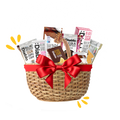
- Seasonal gifting bundles at key dates including Christmas, Easter and gifting occasions increase average transaction value. Sugar-free chocolate and cookie gift formats occupy a genuine white space in the gifting category
- Price-marked packs build shopper confidence on first purchase and reduce perceived price risk for first-time buyers in the category
Inventory Management and Reducing Waste
Sugar-free confectionery is an ambient category with strong shelf life characteristics across most product types. This makes inventory management relatively straightforward compared to fresh or chilled categories. However, disciplined ranging and regular performance review remain essential to avoiding the two most common problems: understock of fast-moving lines and overstock of slower SKUs.
- Review SKU performance monthly for the first three months after your range launch. Cut any SKU that has not reached target velocity within 60 days. Replacing it with a different SKU is better than holding dead stock at the cost of shelf space
- Maintain a minimum of two to three weeks cover for every Tier 1 core SKU. A gap in your core range is a lost sale to a motivated buyer who will find the product elsewhere and may not return
- Rotate stock on a first in, first out basis to protect shelf life and maintain fresh-looking facings
- Flag short-dated stock proactively. A modest markdown three months before the best-before date is a far better outcome than writing off product at expiry. Customers in this segment are responsive to value when the product quality is maintained
- Manage Tier 3 seasonal SKUs tightly. Avoid over-buying on limited editions and seasonal lines. Order to a maximum of six weeks' projected sell-through to minimise residual stock risk
Frequently Asked Questions
References and Sources
- Grand View Research. Sugar-Free Confectionery Market Size, Share and Trends Analysis Report. 2024. grandviewresearch.com
- Persistence Market Research. Sugar-Free Confectionery Market: Global Industry Analysis and Forecast 2032. 2025. persistencemarketresearch.com
- Spherical Insights and Consulting. Global Sugar-Free Confectionery Market Size to Worth USD 3.87 Billion By 2033. 2025. sphericalinsights.com
- Talking Retail. Keep It Sweet: In Focus, Sugar Confectionery. June 2025. talkingretail.com
- Quayside Wholesale. How to Manage Shelf Space for Confectionery Items. August 2024. quaysidewholesale.co.uk
- PlanoHero. Bakery and Confectionery Merchandising Ideas for Retailers. 2025. planohero.com
- International Diabetes Federation. IDF Diabetes Atlas, 10th Edition. 2021. diabetesatlas.org
- EU Regulation No 1924/2006 of the European Parliament and of the Council on nutrition and health claims made on foods. Official Journal of the European Union.
- Diabolo Sugar Free. Master Nutritional Data Reference. COA-verified data across 91 products. Internal reference, April 2026.
- Repsly. How to Win Better Shelf Placement. repsly.com
Ready to Build Your Sugar-Free Range?
The Diablo Sugar Free range gives your store a complete, COA-verified sugar-free confectionery category across 10 product types. No added sugar across the range. Genuine taste that your customers will come back for.
Shop the Diablo Sugar Free RangeWholesale and trade enquiries welcome. Contact us for MOQ information and current pricing..