Monk Fruit vs Stevia:
Which Sweetener Is Better?
A science-backed comparison of taste, safety, and blood sugar impact to help you pick the right natural sweetener
Monk Fruit vs Stevia: Which One Wins?
Both are safe, natural, zero-calorie sweeteners with a glycemic index of zero. Here is what the research shows:
- TasteMonk fruit tends to have a milder, cleaner sweetness, while stevia can leave a bitter or liquorice-like aftertaste for some people
- Blood sugar. Pure extracts of both have a glycemic index of 0 and do not spike blood glucose or trigger insulin release
- PriceStevia is generally more affordable and more widely available across the USA
- CautionProducts blended with dextrose, maltodextrin, or high amounts of erythritol can change the safety picture. Always check the label
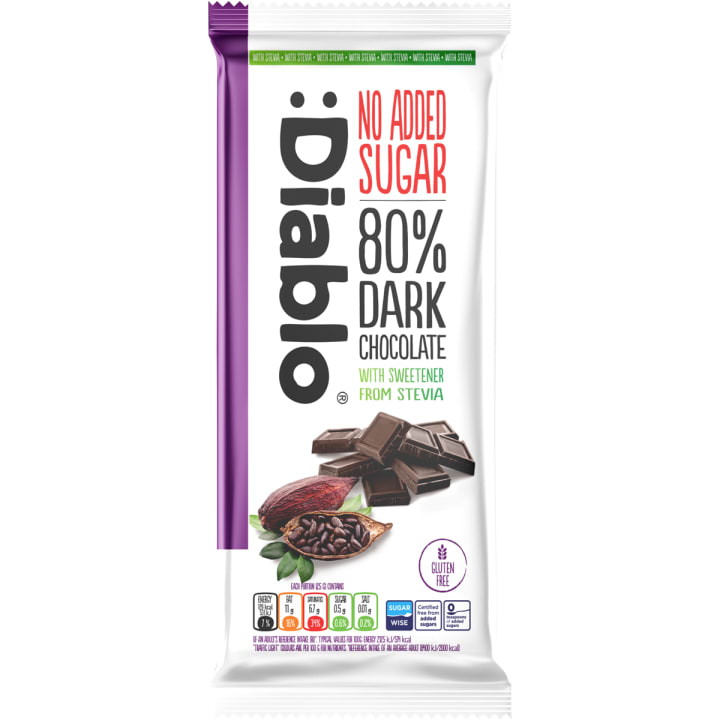
- Best of both. Many sugar-free chocolates and candies, including Diablo Sugar Free, use a blend of both to balance taste, cost, and glycemic performance
You are standing in front of two "natural" sweetener packets, and neither label tells you which one is actually right for you. Both promise zero sugar and zero calories, yet they come from completely different plants, taste noticeably different, and are not always interchangeable in a recipe or a diabetic meal plan.
If you are managing diabetes, following a keto lifestyle, or simply trying to enjoy something sweet without the sugar crash, the choice between monk fruit and stevia matters more than it might seem. The good news is that neither one requires you to give up dessert.
In this guide, we break down exactly how monk fruit vs stevia compares on taste, nutrition, glycemic index, safety, and everyday use, and explain why the best sugar-free chocolate and candy often use both together rather than choosing just one.
This guide references data from the U.S. Food and Drug Administration, the Cleveland Clinic, and peer-reviewed clinical research on glycemic response. It is intended for educational purposes. Always consult your physician or registered dietitian before making significant changes to your diet.
What Is Monk Fruit?
Monk fruit, known scientifically as Siraitia grosvenorii, is a small, round fruit native to Southern China, where it is called luo han guo. Buddhist monks are credited with first cultivating the fruit as early as the 13th century, which is where its English name comes from.
The sweetness in monk fruit does not come from sugar at all. It comes from antioxidant compounds called mogrosides, which are 150 to 250 times sweeter than table sugar yet contribute zero calories and zero carbohydrates. To make monk fruit sweetener, manufacturers extract the mogrosides from the fresh fruit, then dry and purify them into powder or liquid form.
Pure monk fruit extract received Generally Recognised as Safe (GRAS) status in the United States in 2010, and the FDA has not questioned the GRAS determinations submitted for it since.
What Is Stevia?
Stevia comes from the leaves of Stevia rebaudiana, a leafy herb native to South America and part of the same plant family as sunflowers and ragweed. Its sweetness comes from compounds called steviol glycosides, the most common being stevioside and Rebaudioside A, often labelled Reb A.
Stevia is roughly 200 to 300 times sweeter than sugar. To produce commercial stevia sweetener, manufacturers steep dried, crushed leaves in hot water, then filter and purify the liquid to isolate the sweet-tasting glycosides while removing much of the plant's natural bitterness.
Only highly purified steviol glycosides have GRAS status in the US. Whole leaf stevia and crude stevia extracts are not approved as food additives and are subject to an FDA import alert.
Monk Fruit vs Stevia: Full Comparison
| Factor | Monk Fruit | Stevia |
|---|---|---|
| Source | Fruit (Siraitia grosvenorii) | Leaf (Stevia rebaudiana) |
| Sweetness vs sugar | 150-250x | 200-300x |
| Calories | 0 | 0 |
| Glycemic index | 0 | 0 |
| Aftertaste | Mild, occasionally fruity | Can be bitter or liquorice-like for some people |
| FDA status | GRAS (purified extract) | GRAS (purified steviol glycosides only) |
| Common allergen risk | Cucurbitaceae family (melon, cucumber, squash) | Asteraceae family (ragweed, daisies, sunflowers) |
| Price in the USA | Generally higher | Generally lower |
| Availability | Growing is still a speciality item in some stores | Very widely available |
| Diabetic Rating | Best Choice (pure form) | Best Choice (pure form) |
Sources: U.S. Food and Drug Administration; peer-reviewed clinical research on glycemic response. Figures are reference values and may vary slightly by brand and formulation.
In their pure forms, monk fruit and stevia are nutritionally almost identical: zero calories, zero carbohydrates, and a glycemic index of zero. The real differences that matter for daily life are taste, price, and what else is blended into the product you actually buy.
Taste Comparison: Which One Actually Tastes Better?
This is where personal preference plays the biggest role, and it is also the top reason people switch between the two.
Monk Fruit
Most tasters describe monk fruit as having a cleaner, rounder sweetness with subtle fruity or caramel-like notes. A noticeable aftertaste is uncommon, especially at lower concentrations.
Stevia
Less refined stevia extracts are more likely to leave a bitter or liquorice-like aftertaste, particularly in larger quantities. Modern high-purity Reb A and Reb M extracts have significantly reduced this issue, though sensitivity still varies from person to person.
If taste is your deciding factor, the smartest move is to try both. A blend of monk fruit and stevia often balances out each one's individual aftertaste, which is exactly why many sugar-free chocolate and candy brands combine them rather than using either alone.
Nutritional Profile and Calories
Both sweeteners are classified as non-nutritive sweeteners, meaning they provide sweetness without meaningful calories, carbohydrates, fat, sodium, or protein.
- Pure monk fruit extract: 0 calories, 0g carbs, 0g sugar per serving
- Pure stevia extract: 0 calories, 0g carbs, 0g sugar per serving
- The catch: few shelf products are 100 per cent pure extract. Because both are so intensely concentrated, manufacturers commonly blend them with bulking agents such as erythritol, dextrose, or maltodextrin to make them easier to measure and use like sugar
Always check the ingredient label. A bulking agent can significantly change the nutritional and glycemic picture of the finished product, even if the front of the package says "natural sweetener."
Glycemic Index and Blood Sugar Impact
This is the section that matters most if you are managing diabetes or pre-diabetes. Both monk fruit and stevia, in their pure forms, have a glycemic index of 0.
Is Monk Fruit Good for Diabetics?
Yes. Mogrosides are not broken down into glucose by digestive enzymes, so pure monk fruit extract does not raise blood glucose. Clinical research, including glucose monitoring studies, has consistently shown no measurable blood sugar spike from pure monk fruit and no interference with diabetes medication.
Is Stevia Good for Diabetics?
Yes, purified steviol glycosides also carry a glycemic index of 0 and do not raise blood sugar in concentrated form. Some research notes that stevia may interact with blood pressure or diabetes medications in a way that could contribute to unusually low blood sugar, so anyone on those medications should discuss stevia use with their doctor.
If a product blends monk fruit or stevia with dextrose or maltodextrin as a bulking agent, that product will raise blood sugar despite being labelled "natural." For a genuinely diabetic-friendly choice, look for pure extract or blends that use erythritol in modest amounts or allulose rather than dextrose.
Health Benefits of Each Sweetener
Monk Fruit
- Zero glycemic impact, suitable for blood sugar management
- Antioxidant mogrosides that may help combat oxidative stress and inflammation
- Long history of safe use, with over 800 years of traditional consumption and no significant reported side effects in current research
- Mild flavour that blends well with hot and cold foods
- Zero net carbs in pure form, suitable for keto and low-carb diets
Stevia
- Zero glycemic impact in purified form
- Wide availability across nearly every major US grocery chain
- More affordable than monk fruit in most markets
- Decades of global use with established FDA GRAS status for purified extracts
- Available in multiple formats, including drops, powders, and granulated blends
Safety and Side Effects
Both sweeteners are considered safe by US and international regulators when used as intended, though a few specific notes are worth knowing.
Monk Fruit
Research has found no significant side effects from pure monk fruit extract in humans. The main caution applies to people with a known allergy to the Cucurbitaceae family (cucumbers, melons, squash, pumpkin), who may rarely react to monk fruit as well.
Stevia
Some people report mild digestive discomfort, especially with high doses or less-refined extracts. People allergic to ragweed, daisies, or sunflowers should be cautious, since cross-reactivity is possible. Whole leaf and crude stevia extracts are not FDA-approved for food use and should be avoided.
A widely cited 2023 Cleveland Clinic study, published in Nature Medicine, linked high blood levels of erythritol, a sugar alcohol commonly used as a bulking agent in monk fruit and stevia products, to an increased risk of heart attack, stroke, and blood clotting, particularly in people with existing cardiovascular risk factors. This does not implicate monk fruit or stevia themselves, since pure extracts contain no erythritol, but it is a strong reason to read the full ingredient list rather than assume every product is identical. If you have cardiovascular risk factors, look for products built on pure extract or allulose instead of heavy erythritol, and speak with your doctor about your personal risk.
Monk Fruit vs Stevia for Keto and Low-Carb Diets
Both sweeteners are considered keto-friendly, since pure extracts contain zero net carbs and do not affect ketosis. In practice, the choice usually comes down to:
- Taste tolerance: some keto dieters find stevia's aftertaste more noticeable in coffee or shakes and prefer monk fruit for daily use
- Baking performance: both hold up well to heat, but neither replicates sugar's browning or moisture-binding properties
- Blended products: Many keto-branded items combine monk fruit or stevia with a bulking sweetener to mimic sugar's texture, so check what that bulking agent is
Cost and Availability in the USA
Stevia is generally more affordable and far more widely available, sold in nearly every major US grocery store, drugstore, and online retailer. Monk fruit tends to cost more because it is harder to grow and the extraction process is more labour-intensive, though availability has expanded significantly through online retailers, health food stores, and a growing number of mainstream supermarkets.
Which Is Better for Baking and Cooking?
Both monk fruit and stevia are heat-stable, so they hold up in baked goods, hot beverages, sauces, and dressings without breaking down.
Start Small
Both are far sweeter than sugar by volume. Begin with less than a recipe calls for and adjust to taste.
Expect Texture Changes
Neither sweetener caramelises or browns like sugar, so baked goods may look and feel slightly different.
Check the Blend
Products blended with erythritol or allulose usually measure closer to a 1:1 sugar substitution than pure extract.
Follow the Label
Always use the specific product's conversion guide, since formulations vary widely between brands.
Monk Fruit, Stevia, or Both? Why Blends Work Best
Here is the practical answer most comparisons miss: for confectionery like chocolate, cookies, and candy, the best formulations often use a blend of monk fruit and stevia rather than relying on just one.
- Taste balancing. Monk fruit's clean, mild sweetness can offset stevia's aftertaste, producing a flavour closer to real sugar than either sweetener alone.
- Lower usage of each. Combining two intensely sweet ingredients means less of each is needed, reducing the risk that any single ingredient's aftertaste dominates the product.
- Cost efficiency. Blending a smaller amount of pricier monk fruit with more affordable stevia keeps products accessible without compromising taste.
- Consistent glycemic performance. Since both are zero-GI in pure form, a well-formulated blend keeps blood sugar impact minimal, provided the bulking agent is chosen carefully.
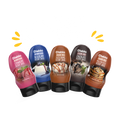
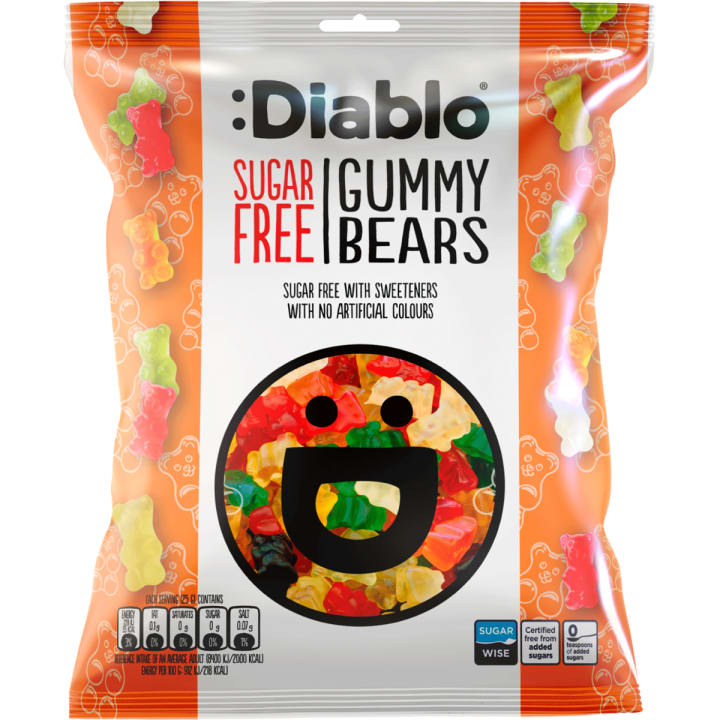
Diablo Sugar Free chocolates, cookies, and sweets are crafted using a thoughtfully balanced blend of natural sweeteners so you get real chocolate taste without the sugar crash. Zero added sugar. No maltitol. No artificial colours.
How to Choose the Best Natural Sweetener for You
Managing Blood Sugar
Either works in pure form. Check for dextrose or maltodextrin fillers and choose allulose or pure extract blends instead.
Low Carb Lifestyle
Both are net-zero carb in pure form. Choose based on taste preference and check for hidden carb fillers.
Aftertaste Sensitive
Try monk fruit first, or a monk fruit and stevia blend, since pure stevia is more likely to leave a bitter note.
Cost Conscious
Stevia is typically the more affordable and widely available option in the USA.
Frequently Asked Questions
References and Sources
- U.S. Food and Drug Administration. High-Intensity Sweeteners. fda.gov
- Witkowski M. et al. (2023). The artificial sweetener erythritol and cardiovascular event risk. Nature Medicine. Cleveland Clinic Lerner Research Institute.
- Healthline. Monk Fruit vs. Stevia: Pros and Cons. Medically reviewed by Natalie Butler, RD, LD. healthline.com
- WebMD. Stevia: Health Benefits and Risks. Medically reviewed by Zilpah Sheikh, MD. webmd.com
- MedicineNet. Monk Fruit vs. Stevia: Which Is Safer and Healthier? medicinenet.com
- INTEGRIS Health. Monk Fruit vs. Stevia: Which Sweetener Is Better? integrishealth.org
- Beyond Type 1. Monk Fruit Sweeteners and Type 2 Diabetes. beyondtype1.org
Ready to Enjoy Sweetness Without Compromise?
Diablo Sugar Free crafts delicious chocolates, cookies, and sweets using a balanced blend of monk fruit and stevia. Zero added sugar, zero maltitol, and real taste you will actually enjoy.
Shop Diablo Sugar FreeNo maltitol. No artificial colours. No blood sugar spike. Just real indulgence, done right.
Chocolate Bars
Dragees
Cakes & Muffins
Sweets & Gummies
Cookies
Dessert Sauces
Chocolate Gift Boxes
Wafers
Spreads
Muesli Bars
Hampers
Sales & Promotions