 Chocolate Bars
 Dragees
 Cakes & Muffins
 Sweets & Gummies
 Cookies
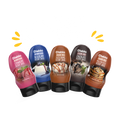 Dessert Sauces
 Wafers
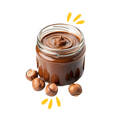 Spreads
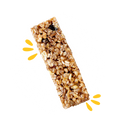 Muesli Bars
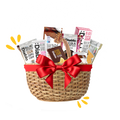 Guilt-free Gifting
 Sales & Promotions

How Do You Spot Hidden Sugars in Food?
Hidden sugars in food appear under more than 60 different names on ingredient lists. Here is a five-point framework for reading any label with confidence:
- 1.Check Total Sugars on the Nutrition Facts panel first. Divide grams by 4 to get teaspoons.
- 2.Find the Added Sugars line separately listed below Total Sugars. Under 5% Daily Value is low; over 20% is high.
- 3.Scan the ingredient list for "-ose" words (fructose, dextrose, maltose, sucrose). Every word ending in "-ose" is a form of sugar.
- 4.Watch for ingredient splitting: multiple sugar aliases spread across one list to push each one lower in position.
- 5.Decode front-of-pack claims: "Sugar Free" and "No Added Sugar" are legally different. Knowing the distinction is essential for anyone managing blood glucose.
You turned the packet over. You looked at the front label. It said "light," "natural," or "wholegrain." That should be fine, right? Not necessarily. Hidden sugars in food are one of the most consistently overlooked challenges for anyone trying to eat well, whether they are managing diabetes, following a low-carb lifestyle, or simply trying to make smarter grocery choices.
The scale of the problem is significant. Research from UCSF SugarScience shows that added sugar is present in approximately 74% of all packaged foods sold in supermarkets. According to Johns Hopkins Medicine, the average person consumes around 22 teaspoons of added sugar per day, well above the American Heart Association's recommended limit of 6 teaspoons for women and 9 teaspoons for men.
This guide gives you a complete, practical system for reading food labels. You will learn how to identify hidden sugars in food under every name they use, understand what "Sugar Free" versus "No Added Sugar" actually means, and discover how sugar-free and no added sugar products, including the full Diablo Sugar Free range, give you a sweet option without the uncertainty.
This guide references peer-reviewed research and guidance from the American Heart Association, Johns Hopkins Medicine, UCSF SugarScience, the FDA, and PMC-indexed clinical studies. It is intended for educational purposes. Always consult your physician or registered dietitian for personalised dietary advice.
Why Hidden Sugars Are a Real Health Concern
Excess sugar consumption is not simply a weight management issue. Research consistently links high added sugar intake to increased risk of type 2 diabetes, cardiovascular disease, non-alcoholic fatty liver disease, tooth decay, and certain cancers. The challenge is that the sugar causing this harm is rarely the sugar people consciously add. It arrives silently, in foods that carry no obvious warning.
The Research That Changes Everything
A study conducted at the Johns Hopkins Bloomberg School of Public Health found that high consumption of sugar-sweetened drinks was associated with a significantly raised risk of coronary artery disease, even in adults with no prior cardiovascular history. The same research team noted that the average American eats 22 teaspoons of added sugar per day without realising it, because sugar is embedded in products that are rarely thought of as sweet: bread, pasta sauce, salad dressings, and yogurt.
For people with diabetes or pre-diabetes, the stakes are even higher. Unlike naturally occurring sugars bound to fibre in whole fruit, added sugars are rapidly absorbed into the bloodstream, causing a blood glucose spike that is both measurable and potentially dangerous. Reading labels is not a minor inconvenience. It is a clinical necessity.
Products carrying buzzwords like "organic," "natural," "gluten-free," or "wholegrain" on their front panel are not exempt from high added sugar. These front-of-pack claims do not regulate the sugar content. Organic cane syrup is still sugar. Always read the back of the pack.
How to Read a Nutrition Label for Sugar: The 5-Step Framework
Use this framework on every packaged food you pick up. It takes less than 60 seconds once you know what to look for, and it will give you more reliable information than any front-of-pack claim.
Total Sugars
Find "Total Sugars" under the Carbohydrates section. Divide the gram figure by 4 to convert to teaspoons. This is your baseline for the whole product.
Added Sugars
Below Total Sugars, find "Added Sugars" with a percentage Daily Value. Under 5% DV is low. Over 20% DV is high. This is the number that matters most for health.
Ingredient Order
Ingredients are listed by weight, largest first. If any form of sugar appears in the first three ingredients, the product is high in added sugar, regardless of what the front label says.
Sugar Aliases
Look for any word ending in "-ose" (fructose, dextrose, maltose, sucrose, glucose). Each one is a form of sugar. See the full alias list in Section 3 below.
Serving Size
All figures on the panel refer to one serving. A small pouch showing "5g sugar per 15g serving" on a bar you would naturally eat 45g of is three times those numbers in practice.
Ingredient Splitting: The Most Common Manufacturer Tactic
One of the most widely used methods for concealing high sugar content is ingredient splitting. Because ingredients are listed in descending order by weight, manufacturers use multiple forms of sugar under different names. Each individual alias appears lower on the list, but combined they represent the dominant ingredient.
A single product might list corn syrup as the third ingredient, high-fructose corn syrup as the seventh, and dextrose as the tenth. None of them appear at the top. Collectively, sugar is the primary component. If you spot three or more sugar aliases anywhere in an ingredient list, add them mentally and reconsider the product.
Any ingredient ending in "-ose" is a form of sugar: fructose, dextrose, maltose, sucrose, lactose, galactose, trehalose. Any ingredient ending in "-itol" is a polyol (sugar alcohol): maltitol, xylitol, sorbitol, erythritol, mannitol. These two suffixes cover the vast majority of sweetener aliases you will encounter.
The Master List: 60+ Hidden Names for Sugar on Food Labels
The FDA requires all ingredients to be listed by name, but sugar appears under dozens of legally distinct aliases. Familiarity with these categories is the single most powerful label-reading skill you can build.
- Sucrose
- Fructose
- Glucose
- Dextrose
- Maltose
- Lactose
- Galactose
- Trehalose
- High-fructose corn syrup
- Corn syrup / corn syrup solids
- Brown rice syrup
- Barley malt syrup
- Maple syrup
- Golden syrup
- Tapioca syrup
- Invert sugar syrup
- Agave nectar / syrup
- Honey
- Coconut sugar
- Date sugar / syrup
- Molasses
- Raw / turbinado sugar
- Muscovado sugar
- Sucanat
- Apple juice concentrate
- Grape juice concentrate
- Pear juice concentrate
- Fruit juice concentrate
- Evaporated cane juice
- Cane juice crystals
- Maltodextrin
- Dextrin
- Caramel (colourant / sweetener)
- Carob syrup
- Sorghum syrup
- Beet sugar
- Ethyl maltol
- Demerara sugar
Maltodextrin has a glycaemic index of 85 to 105, higher than table sugar (GI approximately 65). It is widely used in "sports," "energy," and "performance" products that are marketed as healthy options. It is not a sugar by legal definition, but it produces a faster blood glucose rise than most sugars, so factor it in when you scan a label.
The Sneakiest High-Sugar Foods: What Most People Miss
Most people know to check desserts and sweets. The real label-reading challenge is the foods that appear healthy or savoury. These are where hidden sugars in food do the most damage, precisely because they carry no obvious warning.
Savoury Foods With Unexpectedly High Sugar Counts
| Food | Typical Sugar Per Serving | Common Aliases Used | Rating |
|---|---|---|---|
| Pasta / tomato sauce (half cup) | 6 to 12g | Corn syrup, sugar, grape juice concentrate | Check Label |
| Barbecue sauce (2 tbsp) | 10 to 16g | High-fructose corn syrup, molasses, honey | High Sugar |
| Ketchup (1 tbsp) | 4g | High-fructose corn syrup | Check Label |
| Salad dressing, sweet varieties (2 tbsp) | 5 to 7g | Cane sugar, fruit juice concentrate | Check Label |
| Commercial white bread (2 slices) | 2 to 4g | Sugar, corn syrup solids | Moderate |
| Canned baked beans (half cup) | 6 to 12g | Brown sugar, molasses, maple syrup | Check Label |
| Fast food coleslaw (1 side) | approx 15g | Sugar, high-fructose corn syrup | High Sugar |
| Flavoured instant oatmeal (1 packet) | 10 to 15g | Sugar, brown sugar, cane syrup | High Sugar |
Sources: WebMD, CDC, American Heart Association. Values are representative ranges and vary by brand.
Packaged Foods Marketed as Healthy
The following category carries particularly high risk because the front-of-pack language actively encourages trust. Analysis of label tactics from registered dietitians confirms that buzzword claims, including "organic," "high protein," and "all-natural," do not regulate the sugar content in any way.
- Flavoured yogurt: up to 29g of sugar per serving in some leading brands. Plain yogurt typically contains 4 to 6g of naturally occurring lactose only.
- Granola bars: 8 to 12g of sugar per bar, often using 3 to 4 different sugar aliases to conceal the total.
- Sports and energy drinks: up to 34g of sugar per 500ml bottle. Designed for high-performance athletes, not everyday consumption.
- Bottled iced teas: approximately 32g of sugar per bottle, comparable to a can of cola.
- Protein bars: some commercially popular options contain more sugar than a standard chocolate bar, with sugar hidden under 4 to 6 aliases.
- Low-fat salad dressings: fat is removed and sugar is added to compensate for lost flavour. A classic case where a "healthier" front label conceals a worse nutritional profile.
- Fruit-flavoured waters and vitamin drinks: 15 to 30g of sugar per bottle, frequently using juice concentrate as the primary sweetener.
- Breakfast cereals marketed as "wholegrain": 10 to 20g of added sugar per cup in many popular varieties, with sugar appearing as the second or third ingredient.
Products labelled "low fat" or "fat free" frequently compensate for lost flavour and texture by adding sugar. Research consistently shows that low-fat versions of dressings, yogurts, and baked goods carry more added sugar than their standard counterparts. When fat comes out, sugar often goes in. Always flip the pack.
Understanding Polyols on Food Labels: The Positive Signal
Not every unusual ingredient on a food label is a reason for concern. Polyols, also known as sugar alcohols, are a category of sweetener that is worth understanding in detail, particularly for people managing blood sugar.
What Are Polyols?
Polyols are carbohydrate-based sweeteners that occur naturally in some fruits and vegetables and are commercially produced from sugars and starches. They are neither sugar nor alcohol in the conventional sense, despite the name. The most common polyols found on food labels include maltitol, xylitol, erythritol, sorbitol, isomalt, mannitol, and lactitol.
On a nutrition panel, they typically appear as a sub-line under Carbohydrates: "of which polyols." In the ingredients list, they are named individually. Most end in "-itol," making them identifiable once you know the pattern. Isomalt is the main exception that does not follow this naming rule.
Why Polyols Are Relevant for Blood Sugar Management
Peer-reviewed research published in PMC has reviewed polyols as sugar substitutes for people with diabetes (PMC9261844). The mechanism is straightforward: polyols are only partially absorbed in the small intestine, so eaten instead of sugar they produce a lower and slower blood glucose rise. Whether and how they fit an individual plan is one for your care team. Key properties of the main polyols include:
- Erythritol: glycaemic index of 0, with almost no calories. Generally the best tolerated polyol.
- Xylitol: glycaemic index of approximately 7 to 13. Common in chewing gum. Note: highly toxic to dogs.
- Isomalt: glycaemic index of approximately 2. Widely used in sugar-free boiled sweets and hard candies.
- Mannitol: glycaemic index of 0. Used mainly in coatings and chewing gum.
- Maltitol: glycaemic index of approximately 35, below sucrose at approximately 65. The most widely used polyol in confectionery because it behaves most like sugar in manufacturing, giving the closest taste and texture.
- Sorbitol: glycaemic index of approximately 9. Often paired with other polyols in gummies and sweets.
- Lactitol: glycaemic index of approximately 6. Used in chocolates and biscuits.
Polyols are only partially absorbed, and that slow absorption is the point. Products containing more than 10 percent polyols carry the standard advisory "excessive consumption may produce laxative effects". Enjoy a few pieces at a time and your gut adjusts.
How to Identify Polyols on Any Label
- Look for the sub-line "of which polyols" under Carbohydrates in the nutrition table. This figure represents the total polyol content per 100g or per serving.
- Scan the ingredients list for names ending in "-itol": maltitol, xylitol, erythritol, sorbitol, mannitol, lactitol. Also check for isomalt specifically, as it does not follow the "-itol" pattern.
- A product labelled "Sugar Free" that lists polyols in the ingredients is using them as a compliant sugar replacement. This is legal, regulated, and well understood. It is a positive label signal, not a red flag.
Diablo Sugar Free products use polyols as their primary sweetening ingredient. Every product in the range lists "of which polyols" on the nutrition panel, giving you a transparent, verifiable figure for the sweetener content. You will not find hidden sugar aliases or misleading ingredient splits. The label means exactly what it says.
Shop Diablo Sugar Free Chocolate


Sugar Free vs No Added Sugar: The Legal Difference
These two front-of-pack claims sound interchangeable. They are not. The distinction is defined in food labelling law and carries significant practical consequences for anyone monitoring blood glucose or carbohydrate intake.
| Claim | Legal Definition (UK / EU) | May Still Contain |
|---|---|---|
| Sugar Free (SF) | No more than 0.5g of sugars per 100g or per 100ml | Polyols, high-intensity sweeteners (stevia, sucralose) |
| No Added Sugar (NAS) | No sugar or sugar-containing ingredient added during production | Naturally occurring sugars from fruit, dairy, or grain |
| Reduced Sugar | At least 30% less sugar than a comparable standard product | Still significant sugar content relative to absolute gram values |
| Low Sugar | Max 5g sugar per 100g (solids); max 2.5g per 100ml (liquids) | May still have added sugars below the threshold |
| No front-of-pack claim | No regulated claim made | Any amount of sugar |
Source: UK Food Information Regulations; EU Regulation 1924/2006 on nutrition and health claims.
A practical example: a "No Added Sugar" fruit juice drink may still contain 20g or more of naturally occurring fructose per serving, because fructose from fruit is not classified as an "added sugar." For a person with diabetes, that fructose without fibre will still raise blood glucose. Knowing that the claim refers only to added sugar, not total sugar, transforms how useful the label actually is.
Diablo Sugar Free applies the "SF" (Sugar Free) and "NAS" (No Added Sugar) designations accurately, matched to the verified nutritional profile of each individual product. The Diablo SF ranges, such as the hard sweets, gummies, and muffins, carry the Sugar Free designation, meeting the no-more-than-0.5g-per-100g threshold. The Diablo NAS Muesli Bar range carries the No Added Sugar designation, reflecting their use of naturally occurring sugars from whole food ingredients. These are not marketing terms; they are matched to the regulatory definition.
The Label Reader's Comparison: Regular vs Diet vs Truly Sugar-Free
| Product Type | Sugar per 100g | Added Sugar | Polyols Present |
|---|---|---|---|
| Standard confectionery | 50 to 60g | Yes, high | No |
| "Reduced sugar" biscuit | 25 to 35g | Yes, moderate | Sometimes |
| "Diet" or "Light" product | 10 to 25g | Often yes | Possibly |
| No Added Sugar product | Variable | No | May include polyols |
| Diablo Sugar Free (SF-designated) | 0.5g or less | None added | Yes, polyols used |
Diablo Sugar Free: A Label That Means What It Says
Understanding how to spot hidden sugars in food leads naturally to the question of what to choose instead. Diablo Sugar Free produces a comprehensive range of confectionery, including chocolates, cookies, wafers, sweets, spreads, gummies, muesli bars, and cakes, all formulated without added sugar and sweetened primarily with polyols including maltitol, isomalt, and other sugar alcohols as appropriate to each product category.
What distinguishes Diablo Sugar Free from many products in the "sugar-free" category is the transparency and accuracy of its labelling. Each product carries a specific designation matched to its verified nutritional profile, not a generic marketing claim.
- SF (Sugar Free) products contain no more than 0.5g of sugars per 100g. The sweetness comes from polyols and approved high-intensity sweeteners. The Diablo hard sweets, gummies, and muffins fall into this category.
- NAS (No Added Sugar) products contain no sugars added during production. Naturally occurring sugars from whole food ingredients may be present at low levels. The Diablo NAS Muesli Bar range, including the Apricot, Cranberry and Raspberry, Hazelnut, and Lime variants, carries this designation.
- Polyols are listed on every nutrition panel under "of which polyols." You do not need to guess at the sweetener content. It is stated, in grams, per 100g and per portion.
For people with diabetes, parents looking for a smarter snack option, fitness enthusiasts tracking macros, or anyone who has spent too long decoding ingredient lists in a supermarket aisle, Diablo Sugar Free is built around a simple principle: the label should tell you exactly what is in the product.
Diablo Sugar Free products are available across chocolates, cookies, wafers, spreads, gummies, boiled sweets, muesli bars, and cakes. Every product carries its verified SF or NAS designation. Browse the full range to find options suited to your dietary goals.
Shop Diablo Sugar Free Range


How to Spot Hidden Sugars in Food: Quick-Reference Summary
- 1.Check Total Sugars on the Nutrition Facts panel. Divide grams by 4 to get teaspoons.
- 2.Find Added Sugars separately listed. Under 5% Daily Value is low. Over 20% is high.
- 3.Scan the ingredient list. Any word ending in "-ose" is a form of sugar. Any word ending in "-itol" is a polyol (a sugar alcohol, which is not a sugar).
- 4.Watch for ingredient splitting: 3 or more sugar aliases in one list means sugar may be the dominant ingredient even if none appears at the top.
- 5."Sugar Free" means no more than 0.5g of sugars per 100g. "No Added Sugar" means no sugar was added during production but naturally occurring sugars may still be present. These are not the same claim.
- 6.Polyols on a label (listed as "of which polyols" in the nutrition table) are a positive signal. They are regulated sweeteners that are not sugars, declared openly on the panel.
- 7.Front-of-pack claims including "organic," "natural," "light," and "wholegrain" do not regulate sugar content. Always read the ingredient list and nutrition panel on the back.
Frequently Asked Questions
References and Sources
- UCSF SugarScience. Hidden in Plain Sight: Added Sugar in 74% of Packaged Foods. sugarscience.ucsf.edu
- Johns Hopkins Medicine. Finding the Hidden Sugar in the Foods You Eat. Updated June 2024. hopkinsmedicine.org
- American Heart Association. Added Sugars. Updated 2024. heart.org
- CDC. Spotting Hidden Sugars in Everyday Foods. Updated February 2026. cdc.gov
- U.S. Food and Drug Administration. Added Sugars on the New Nutrition Facts Label. Updated 2022. fda.gov
- U.S. Food and Drug Administration. Aspartame and Other Sweeteners in Food. Updated 2023. fda.gov
- Tryon Medical Partners. 5 Ways to Spot Added Sugars on Food Labels. 2021. tryonmed.com
- GoodRx Health. The Many Types of Sugar That May Be Hiding in Food Labels. Updated 2023. goodrx.com
- Wiebe N. et al. (2011). A systematic review on the effect of sweeteners on glycemic response and clinically relevant outcomes. BMC Medicine. pmc.ncbi.nlm.nih.gov
- PMC / National Library of Medicine. Review of sugar alcohols as sugar substitutes. PMC9261844. pmc.ncbi.nlm.nih.gov
- Rutgers NJAES. Added Sugars: Hidden in Plain View. FS1305. njaes.rutgers.edu
- Polyols.org. Reading Sweet News on Nutrition Labels. polyols.org
Ready to Enjoy Sweets Without the Guesswork?
Diablo Sugar Free crafts chocolates, cookies, wafers, spreads, gummies, and muesli bars using polyols, with zero added sugar and fully transparent labelling. Made for everyone who takes their health seriously but refuses to give up the things they love.
Shop Diablo Sugar FreeNo hidden sugars. No misleading claims. Just genuine sweetness, done right.