Skip to content
Sugar Free®
Sugar Free®
Sugar-Free Chocolate in the US: 2026 Guide

Sugar-Free Chocolate in the US: 2026 Guide

Diablo Sugar Free - US Guide

Sugar-Free Chocolate in the US:
The Ultimate 2026 Guide

A complete, evidence-based guide to FDA labelling rules, sweeteners, top brands and how to choose the right bar with confidence

Updated June 2026 12-minute read Evidence-based FDA referenced
Quick Answer

What Does Sugar-Free Chocolate Actually Mean?

In the US, sugar-free chocolate must legally contain less than 0.5 grams of sugar per serving. Here is what that label does and does not tell you:

  • 01Legal threshold: under 0.5g of sugar per serving, regulated by the FDA under 21 CFR 101.60
  • 02Sweetened instead with sugar alcohols (maltitol, erythritol, xylitol) or plant-based sweeteners (stevia, monk fruit, allulose)
  • 03Not automatically low-calorie or low-carb. Fat and cocoa butter still count toward total calories
  • 04Stevia and monk fruit have the lowest blood sugar impact of the common sweeteners used in chocolate
  • 05Maltitol tastes closest to regular sugar but carries a moderate glycemic index of around 35
  • 06Always check net carbs (total carbs minus fibre minus sugar alcohols), not just the front-of-pack claim

You picked up a sugar-free bar, scanned the label, and still were not sure if it was actually a good choice. You are not alone. With more than 40 million Americans living with diabetes and over 115 million more living with prediabetes, "sugar-free" has become one of the most searched, and most misunderstood, words on a candy wrapper.

Here is the part most packaging will not tell you: sugar-free chocolate is not one single thing. It is a category built on several very different sweeteners, each with its own effect on blood sugar, digestion, and taste. The brand on the front of the pack matters far less than the sweetener listed in the ingredients.

In this guide, we break down exactly what sugar-free means under US law, which sweeteners are worth seeking out, which brands are actually worth buying in the US in 2026, and how to read a label like someone who understands the science behind it.

Editorial Note

This guide references the US Food and Drug Administration, the CDC National Diabetes Statistics Report, the American Diabetes Association, and Mayo Clinic. It is intended for educational purposes. Always speak with your physician or registered dietitian before making significant changes to your diet, especially if you live with diabetes.

40.1M
Americans living with diabetes, about 1 in 8 people (CDC, 2026)
115.2M
American adults living with prediabetes, more than 2 in 5 (CDC, 2026)
0.5g
Maximum sugar per serving allowed on a legal "sugar-free" label (FDA, 21 CFR 101.60)
70%
US adults actively trying to reduce their sugar intake, per industry survey data

The FDA's Definition of Sugar-Free

Under 21 CFR 101.60, the FDA allows a "sugar-free" claim only on a food that contains less than 0.5 grams of sugar per labelled serving and per reference amount customarily consumed. That threshold is small enough that a brand can round total sugar down to "0g" on the Nutrition Facts panel even if a trace amount is technically present.

There is a second, lesser-known rule. If a sugar-free product is not also low-calorie, the label must carry a disclaimer such as "not a low calorie food," because regulators were concerned that consumers would assume sugar-free automatically meant diet-friendly. Many sugar-free chocolate bars sit close to regular chocolate in total calories, since cocoa butter and fat still drive most of the calorie count.

Sugar-Free vs No Added Sugar vs Reduced Sugar

These three claims are regulated differently, and mixing them up leads to real confusion at the shelf.

Label Claim What It Legally Requires What It Does Not Guarantee
Sugar-Free Under 0.5g sugar per serving Calorie-free or carb-free
No Added Sugar No sugar added during processing Can still contain naturally occurring sugar, such as from milk
Reduced Sugar At least 25% less sugar than the standard version Could still contain a meaningful amount of sugar

Source: US Food and Drug Administration, 21 CFR 101.60

If you are managing diabetes or counting carbs strictly, "sugar-free" is the most reliable of the three claims, but you should still read the ingredient list rather than relying on the front of the package alone.

Why Sugar-Free Chocolate Demand Is Booming

Diabetes and prediabetes are the biggest drivers of category growth, but the trend reaches far beyond medical need. Roughly 70% of US adults say they are actively trying to cut sugar, and keto and low-carb followers specifically look for chocolate that keeps net carbs low without sacrificing the cocoa experience.

The market reflects this shift. The North America sugar-free chocolate market was valued at roughly 318 million dollars in 2024 and is projected to grow at about 5.4% annually through the early 2030s, with the United States accounting for over 80% of that regional market. At the brand level, Lindt-owned Russell Stover leads US sugar-free chocolate candy sales, with Hershey-owned Lily's close behind, evidence that even the largest legacy confectioners now treat better-for-you chocolate as a core business line rather than a side experiment.

The Sweeteners Behind Sugar-Free Chocolate

This is the part most buying guides skip, and it is the part that actually determines whether a bar will work for your body.

Sugar Alcohols: Maltitol, Erythritol, Xylitol, Sorbitol

Sugar alcohols are only partially absorbed by the body, which is why they carry fewer calories than table sugar. The unabsorbed portion travels to the large intestine, where gut bacteria ferment it, which is the root cause of the bloating, gas, or laxative effect some people experience.

  • Maltitol is the most common sweetener in mainstream sugar-free chocolate because it mimics sugar's taste and texture closely. Its glycemic index of around 35 means it can still raise blood sugar more than many "diabetic-friendly" labels suggest.
  • Erythritol has a glycemic index near zero and is generally well tolerated in moderate amounts, though recent research has raised questions about long-term cardiovascular effects in heavy users, discussed below.
  • Xylitol sits at a glycemic index of about 12 and is common in sugar-free gum and some chocolate, but it is highly toxic to dogs and should be stored carefully in households with pets.
  • Sorbitol has a glycemic index around 4 but is the polyol most likely to trigger digestive upset in larger servings.

Plant-Based Sweeteners: Stevia, Monk Fruit, Allulose

  • Stevia, derived from the Stevia rebaudiana leaf, has no measurable effect on blood glucose and is recognised by the American Diabetes Association as an acceptable sugar substitute when used in moderation.
  • Monk fruit extract is roughly 250 to 600 times sweeter than sugar, has a glycemic index of zero, and carries no known contraindications for most adults. Many monk fruit products are blended with erythritol for bulk, so check the full ingredient list.
  • Allulose is a rare sugar found naturally in figs and raisins, with about 70% of sugar's sweetness and roughly 10% of the calories. It is newer to the US market and less common in chocolate than in baked goods.

Sweetener Comparison for Sugar-Free Chocolate

Sweetener GI Score Calories / g Diabetic Rating Digestive Tolerance
Stevia 0 0 Best Well tolerated
Monk Fruit 0 0 Best Well tolerated
Allulose ~0 ~0.4 Good Generally well tolerated
Erythritol ~0 ~0.2 Good Generally well tolerated in moderate amounts
Xylitol ~12 ~2.4 Moderate Can upset digestion; toxic to dogs
Sorbitol ~4 ~2.6 Moderate Lower; known laxative threshold
Maltitol ~35 ~2.1 Use Caution Lower; common cause of bloating in larger servings

Sources: American Diabetes Association, Mayo Clinic, Diet Doctor. GI values are reference figures and may vary by formulation.

Key Insight

The fermentation that causes digestive discomfort from sugar alcohols is basic physiology, not a product defect. The simple fix is portion control, starting with a small piece of any new sugar-free chocolate before eating a full bar.

Is Sugar-Free Chocolate Actually Healthy?

The honest answer is that it depends entirely on the sweetener and the serving size, not on the words "sugar-free" alone.

Blood Sugar and Diabetes Considerations

The American Diabetes Association and Mayo Clinic both note that most non-nutritive sweeteners, including stevia and monk fruit, do not meaningfully affect blood glucose. Maltitol is the exception worth watching, since its moderate glycemic index means a maltitol-sweetened bar can still nudge blood sugar upward, especially in larger portions.

The Digestive Side Effect Nobody Warns You About

Sugar alcohols are not fully absorbed in the small intestine. When they reach the colon, fermentation by gut bacteria can cause gas, bloating, and, in higher amounts, a laxative effect. This is exactly why many sugar-free chocolate labels carry a printed note that excessive consumption can cause a laxative effect. It is not a flaw, it is digestive physiology, and the simple fix is moderation.

The Erythritol Debate

In 2023, a study published in Nature Medicine linked elevated blood erythritol levels to a higher risk of stroke and heart attack in study participants. The finding does not prove erythritol consumption directly causes cardiovascular events, and follow-up research is ongoing, but it is a reasonable reason for people with existing heart disease risk to favour stevia or monk fruit and to avoid heavy daily use of any single sweetener.

Calories and Net Carbs: The Real Math

Sugar-free does not mean calorie-free. Most of a chocolate bar's calories come from cocoa butter and fat, not sugar, so a sugar-free bar can sit close to a regular bar in total calories while differing mainly in sugar and net carb content. If you are tracking macros, look at total carbohydrates minus fibre and minus sugar alcohols, usually listed as "net carbs," rather than relying on the front-of-pack claim alone.

Best Sugar-Free Chocolate Brands in the US (2026)

We compared the brands most widely available to US shoppers across taste reputation, primary sweetener, dietary fit, and where you can actually buy them.

Brand Primary Sweetener Best For Where to Buy
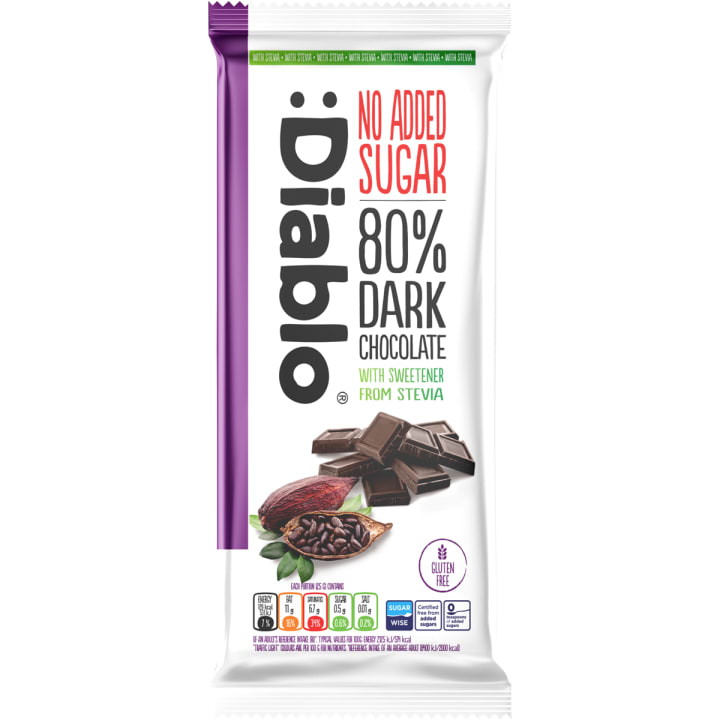
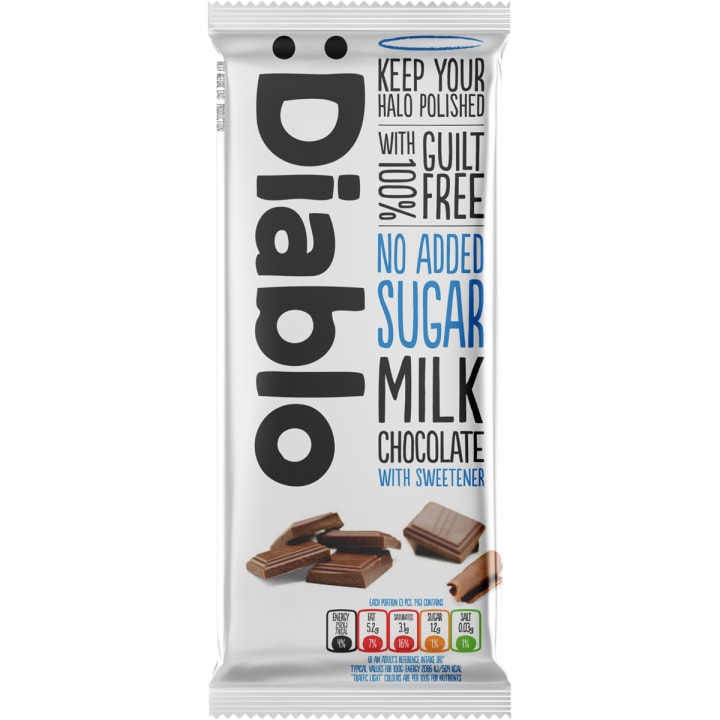
Diablo Sugar Free Maltitol and stevia blends Wide product range across bars, cookies and spreads for everyday no-added-sugar eating Online, health food stores
Russell Stover Stevia Classic American candy-style chocolate, gifting Supermarkets, drugstores nationwide
Lily's (Hershey) Stevia, soluble corn fibre Mainstream grocery availability, baking Target, Walmart, Whole Foods, most major grocers
ChocZero Monk fruit Strict keto diets, zero sugar alcohols Online, specialty retailers
Lakanto Monk fruit and erythritol blend Keto and low-carb baking and snacking Online, natural grocers
ChocoPerfection Chicory root fibre Diabetic-focused, high-fibre bars Online, specialty diabetic retailers
Atkins Maltitol Low-carb diet program followers, candy-style formats Supermarkets, online

Sweetener information reflects publicly listed ingredients at time of writing and can change between product lines and reformulations. Always confirm against the current pack.

About Diablo Sugar Free

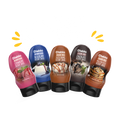
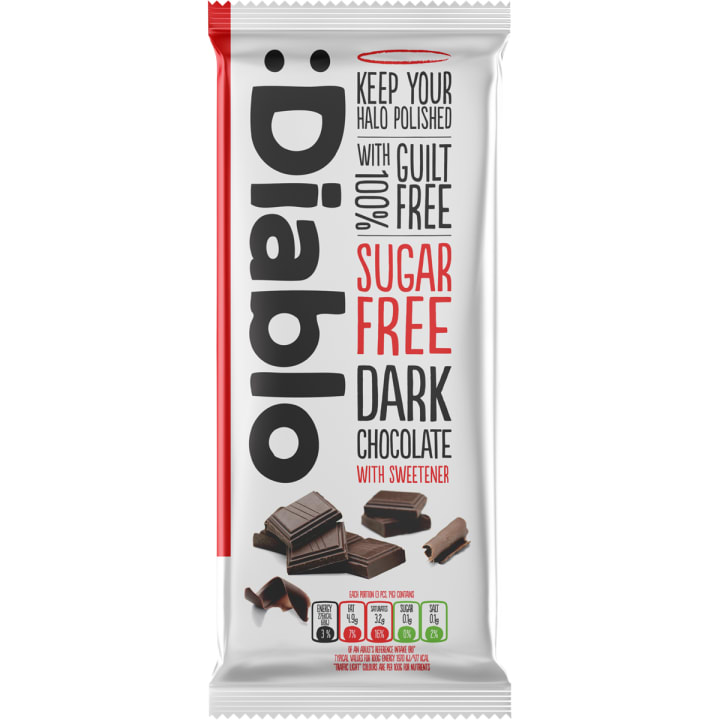
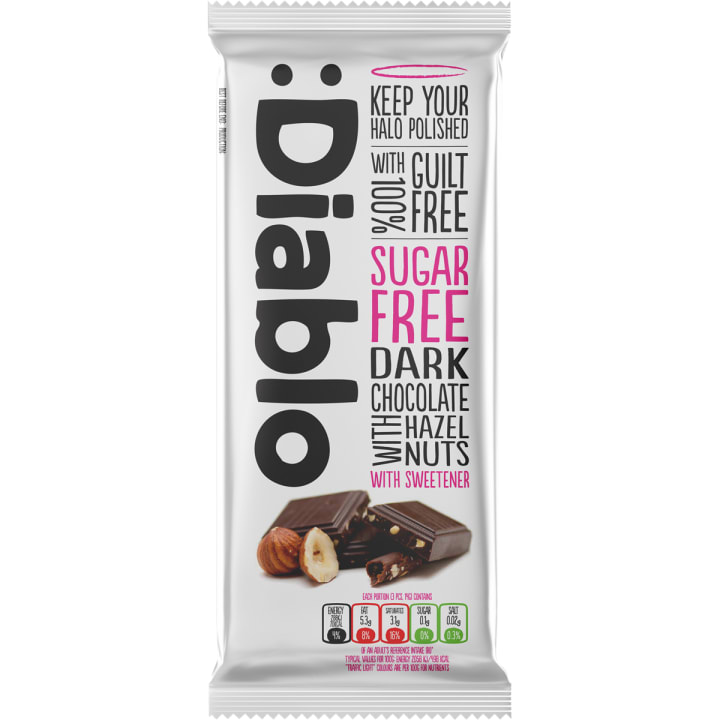
Diablo Sugar Free's chocolate bar range spans both Sugar Free (SF) and No Added Sugar (NAS) lines, alongside cookies, cakes, spreads and sweets. Most bars use a maltitol base, with some lines blending in a small amount of steviol glycosides (stevia) for added sweetness. If you are strictly avoiding maltitol or are especially sensitive to sugar alcohols, check the ingredient list on the specific product, since formulations vary across the range.

Quick Picks by Use Case

OVERALL

Best All Round

Diablo Sugar Free, for the breadth of formats across bars, cookies, spreads and sweets built around the no-added-sugar proposition.

DIABETIC

Best for Diabetics

Products sweetened primarily with stevia or monk fruit, since they carry the lowest glycemic impact.

KETO

Best Keto Friendly

ChocZero or Lakanto, both built around monk fruit with minimal net carbs per serving.

DARK

Best Dark Chocolate

Sugar-free dark bars at 70% cacao or higher, for the strongest antioxidant profile and the least noticeable sweetener aftertaste.

FAMILY

Best for Families

Stevia-sweetened milk chocolate, generally the mildest sweetener flavour for kids trying sugar-free chocolate for the first time.

How to Choose the Right Sugar-Free Chocolate

Read the Label in 5 Steps

  1. Check the front claim. Sugar-free, no added sugar, and reduced sugar are not interchangeable, see the comparison table above.
  2. Scan the ingredient list for the actual sweetener used, not just the marketing copy on the front of the pack.
  3. Calculate net carbs. Total carbohydrates minus fibre minus sugar alcohols.
  4. Look for a digestive disclaimer on polyol-sweetened products. Its presence is a sign of an honest label, not a reason to avoid the product entirely.
  5. Compare the serving size to what you will actually eat in one sitting, since most nutrition claims are calculated per small serving.

Match the Sweetener to Your Goal

  • Strict blood sugar control or heart-health caution: prioritise stevia or monk fruit.
  • Closest taste and texture to traditional chocolate: maltitol-based bars, eaten in moderate portions.
  • Sensitive digestion: start with a small piece of any new sugar-free chocolate before eating a full bar, regardless of brand.

Sugar-Free Chocolate for Every Lifestyle

People with Diabetes or Prediabetes

Stevia and monk fruit-sweetened chocolate are generally the safest starting point, since neither raises blood glucose in typical amounts. Pair any sugar-free treat with your usual glucose monitoring routine rather than assuming the label removes the need to track it.

Keto and Low-Carb Followers

Focus on net carbs per serving rather than total carbs, and favour monk fruit or allulose-based bars, which tend to have the lowest net carb impact of the mainstream sweetener categories.

Fitness and Weight-Management Goals

Remember that sugar-free is not synonymous with low-calorie. If you are managing total energy intake, compare the full Nutrition Facts panel, not just the sugar line, and treat sugar-free chocolate as a planned snack rather than an unlimited one.

Parents Buying for Kids

Introduce sugar-free chocolate gradually and in small amounts. A child's lower body weight means the digestive threshold for sugar alcohols is reached faster, so a portion that is fine for an adult can cause noticeable discomfort in a child. Stevia-sweetened milk chocolate is typically the gentlest entry point.

Retailers, Gyms and Distributors

Supermarkets, health food stores, online grocery platforms, gym nutrition retailers and international distributors are a meaningful and growing part of this category's buyer base. When evaluating suppliers, prioritise brands that can document sugar content, offer multiple SKUs across formats, and have an established track record supplying retail and wholesale channels rather than a single product.

Where to Buy Sugar-Free Chocolate in the US

  • Online direct-to-consumer: brand websites typically offer the widest flavour range and subscription options.
  • Major grocery chains: Target, Walmart, Kroger and Whole Foods carry the most mainstream brands.
  • Health food and specialty stores: better selection of monk fruit and fibre-based brands.
  • Pharmacies and drugstores: a reliable source for sugar-free candy lines, especially around holidays.
  • Wholesale and distributor channels: for gyms, supermarkets and resellers, brands with dedicated wholesale programs simplify bulk ordering.

Sugar-Free Candy USA: Beyond the Chocolate Bar

Chocolate is only part of the sugar-free candy category. Shoppers searching for sugar-free candy in the USA are also looking at:

  • Hard candies and mints, typically sweetened with isomalt or xylitol.
  • Gummies, often sweetened with maltitol or a stevia blend, which is why some gummy lines carry the same digestive disclaimers as chocolate.
  • Peanut butter cups and candy-coated chocolates, the most direct sugar-free analogs to mainstream candy aisle favourites.
  • Cookies, cakes and spreads, which extend the same sweetener logic into baked goods, a category where brands like Diablo Sugar Free offer a full range alongside their chocolate bars.

The same label-reading rules apply across all of these formats: check the sweetener, calculate net carbs, and respect serving sizes.

Common Mistakes to Avoid

What to Look For

  • Stevia, monk fruit, erythritol or allulose as the named sweetener, all relatively blood-sugar-safe choices.
  • Net carbs per serving under 10g for low-carb plans, calculated as total carbohydrates minus fibre and sugar alcohols.
  • A clear "no added sugar" or "sugar free" claim backed by an ingredient list that matches it.
  • High cocoa content if buying dark chocolate, for the strongest flavonoid benefit.
  • A printed digestive disclaimer on sugar alcohol products, a sign the label is being upfront with you.

What to Avoid

  • Assuming "sugar-free" means "low-calorie." It often does not.
  • Eating a full bar at once when trying a new sweetener for the first time.
  • Ignoring net carbs on a low-carb or keto plan by only looking at total carbs.
  • Confusing "sugar-free" with "no added sugar." They are legally distinct claims with different implications.
  • Giving young children adult-sized servings of sugar alcohol-sweetened treats.
✦ ✦ ✦

Frequently Asked Questions

Is sugar-free chocolate actually good for you?
It can fit into a healthy diet, but "good for you" depends on the sweetener and the portion. Stevia and monk fruit-sweetened bars have minimal blood sugar impact, while maltitol-sweetened bars still carry a moderate glycemic index. None of them are calorie-free, so moderation still matters.
What is the healthiest sugar substitute in chocolate?
Among current options, monk fruit and stevia generally have the cleanest safety profile, with a glycemic index of zero and no established contraindications for most adults, according to the American Diabetes Association and Mayo Clinic.
Why does sugar-free chocolate cause digestive upset?
Sugar alcohols such as maltitol and sorbitol are only partially absorbed in the small intestine. The unabsorbed portion ferments in the colon, which can cause gas, bloating, or a laxative effect, especially in larger servings.
What is the difference between sugar-free and no sugar added chocolate?
Sugar-free means less than 0.5 grams of sugar per serving under FDA rules. No sugar added means no sugar was added during processing, but the product can still contain naturally occurring sugar from ingredients like milk.
Can diabetics eat sugar-free chocolate every day?
Many can, in moderate, planned portions, particularly chocolate sweetened with stevia or monk fruit. Anyone managing diabetes should still monitor their personal blood glucose response and discuss regular treats with their healthcare provider, since tolerance varies by person.

References and Sources

  1. US Food and Drug Administration. 21 CFR 101.60, Nutrient Content Claims for the Calorie Content of Foods. ecfr.gov
  2. Centers for Disease Control and Prevention. National Diabetes Statistics Report. 2026. cdc.gov
  3. American Diabetes Association. Nutrition guidance on sugar substitutes. diabetes.org
  4. Mayo Clinic. Artificial Sweeteners and Other Sugar Substitutes. mayoclinic.org
  5. Witkowski M. et al. (2023). The artificial sweetener erythritol and cardiovascular event risk. Nature Medicine.
  6. National Institute of Diabetes and Digestive and Kidney Diseases. Diabetes Statistics. niddk.nih.gov

Ready to Try Sugar-Free Chocolate Done Right?

Diablo Sugar Free makes chocolate bars, cookies, spreads and sweets with no added sugar and clearly labelled sweeteners, so you always know exactly what you are eating.

Shop Diablo Sugar Free →

Always check the ingredient list for your specific dietary needs. Consult your healthcare provider for personalised advice.

Back to blog