 Chocolate Bars
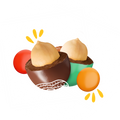 Dragees
 Cakes & Muffins
 Sweets & Gummies
 Cookies
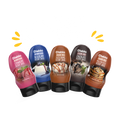 Dessert Sauces
 Wafers
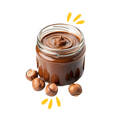 Spreads
 Muesli Bars
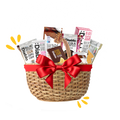 Guilt-free Gifting
 Sales & Promotions

Pharmacy & Health Store Buyers:
Why Sugar-Free Confectionery Sells
A commercial guide to stocking OTC confectionery that converts, margins that hold, and the customers already in your store who are ready to buy
Why Does Sugar-Free Confectionery Sell in Pharmacies?
Sugar-free confectionery sells reliably in pharmacies and health stores because the customer base is already there with a health-driven purpose. Key facts every buyer should know:
- ✅The global sugar-free confectionery market reached USD 2.45 billion in 2024 and is forecast to grow at a 4.2 to 5.4% CAGR through 2030 to 2034
- ✅Over 5.6 million people in the UK are living with diabetes, each a potential repeat buyer for sugar-free sweets and chocolate
- ✅Sugar-free confectionery commands a retail price premium over standard sweets, producing a stronger gross margin per unit
- ✅Products positioned adjacent to diabetes care consistently outperform the same SKUs in a general snack position
- ✅Diablo Sugar Free carries Halal, Kosher, and Gluten-Free certifications across qualifying lines, serving a diverse pharmacy catchment
- ✅The Diablo B2B wholesale portal at b2bdiablosugarfree.com offers 92 wholesale SKUs with tiered pricing for trade accounts
You already have the customers. Every person collecting a diabetes prescription, every shopper asking about low-carb nutrition products, every parent looking for a treat with less sugar impact: all of them will buy a bag of sugar-free sweets if the right product is placed in front of them at the right moment in your store.
Sugar-free confectionery is not a supplementary or seasonal category for the pharmacy and health store channel. It is a need-driven category with predictable repeat purchase behaviour, a growing consumer base, and margin characteristics that outperform standard confectionery on a like-for-like basis.
This guide covers the commercial case in full: category data, consumer segments, supplier selection criteria, range decisions, merchandising principles, and how Diablo Sugar Free fits the pharmacy and health store channel specifically. Every section is written for buyers, category managers, and purchasing leads who need a clear, practical basis for a range decision.
This guide references published market research from Grand View Research, Persistence Market Research, and Fact.MR, as well as diabetes prevalence data from Diabetes UK and the International Diabetes Federation. Product and certification details are verified against published Diablo Sugar Free trade information. All market statistics are sourced and dated.
The Market Case for Sugar-Free Confectionery in 2025 and Beyond
The global sugar-free confectionery market was valued at USD 2.45 billion in 2024. Grand View Research projects growth to USD 3.16 billion by 2030 at a compound annual growth rate of 4.2 per cent. Fact.MR places the upper estimate at USD 4.13 billion by 2034 at a 5.4 per cent CAGR. Persistence Market Research estimates USD 3.42 billion by 2032 at a 5 per cent CAGR. Across all credible projections, the direction is consistent: the category grows every year.
The forces driving this growth are structural, not cyclical. The International Diabetes Federation estimated that over 537 million adults globally were living with diabetes in 2021, with projections of 783 million by 2045. In the UK, Diabetes UK reports more than 5.6 million people diagnosed. Every one of those individuals is a potential customer for sugar-free confectionery. When you add people with prediabetes, keto dieters, health-conscious adults limiting sugar intake, and parents choosing reduced-sugar treats for children, the addressable buyer pool in a typical pharmacy catchment area is substantial.
Persistence Market Research identifies rising health awareness, the prevalence of diabetes, and growing demand for low-calorie treats as the primary category growth drivers. Government sugar taxation in the UK, public health campaigns, and a broader cultural shift away from excess sugar consumption have all reinforced this trend over the past decade and show no sign of reversing.
The pharmacy and health store channel has a structural advantage that supermarkets and convenience stores lack. Your customer is visiting specifically for health management. They are already primed to make health-aligned purchasing decisions. Sugar-free confectionery capitalises on that intent in a way that standard confectionery placed in a general grocery environment cannot replicate.
Who Buys Sugar-Free Confectionery in Pharmacies and Health Stores
Understanding your end consumer segments directly informs range decisions, placement strategy, and product selection. The sugar-free confectionery buyer in a pharmacy or health store is not one type of person. Several distinct groups drive the category, each with different purchase triggers, frequency, and format preferences.
People Managing Diabetes and Prediabetes
This is the most commercially reliable segment for the pharmacy channel. People managing diabetes and prediabetes buy sugar-free confectionery regularly and repeatedly, not occasionally. They are managing a condition, which means their need for sugar-reduced alternatives is ongoing rather than aspirational.
For this group, the pharmacy is a trusted retail environment. They associate it with care and credibility. A well-positioned sugar-free confectionery display near the diabetes care section captures intent at precisely the right moment. Products sweetened with maltitol or stevia are designed with this consumer in mind: the GB nutrition and health claims register authorises the statement that consumption of foods containing maltitol instead of sugar induces a lower blood glucose rise after their consumption compared to sugar-containing foods, and stevia has a glycaemic index of zero.
The American Diabetes Association is clear that people with diabetes are not required to eliminate sweets. Sugar-free confectionery provides a way to satisfy a genuine craving within a managed dietary framework, which is a commercially valuable role for any retailer to fill.
Health-Conscious Adults Reducing Sugar Intake
A growing proportion of adults are actively reducing sugar as part of a broader lifestyle strategy. This includes working professionals, adults following balanced eating plans, and individuals motivated by media coverage of sugar's long-term health consequences, government guidance, and the UK sugar levy.
These shoppers respond to clean labelling, natural sweeteners, and credible brand messaging. They want a genuinely enjoyable treat that happens to contain no added sugar. For this segment, range breadth matters: having cookies, chocolate bars, sweets, and wafers available from a single recognisable brand drives trial and then repeat purchase.
Fitness Enthusiasts and Weight-Management Shoppers
Consumers managing their weight or following an active lifestyle visit health stores and pharmacy wellness sections specifically for products aligned with their goals. Sugar-free confectionery fits naturally alongside protein bars, low-calorie snacks, and sports nutrition. Followers of ketogenic and low-carbohydrate diets are a particularly consistent purchasing segment. They read labels closely for sugar and carbohydrate content, and sugar-free sweets and chocolate sweetened with stevia or sugar alcohols state exactly those figures on the pack.
Parents Seeking Reduced-Sugar Options for Children
Concerns about childhood obesity, dental health, and sugar in children's diets have risen significantly over the past decade. Government guidance, the sugar tax, and school health programmes have all contributed to greater parental awareness. For pharmacy and health store buyers, this means products with clear Halal, Kosher, and Gluten-Free certifications serve a multi-segment audience in a single SKU. Parents value certification transparency because it removes the friction of checking every ingredient independently.
Each of these consumer segments is already visiting your store for a related purpose. None of them requires you to build new footfall. The commercial opportunity is in converting existing visits into additional purchases through deliberate product placement and clear in-store communication.
What to Look for in a Pharmacy Confectionery Supplier
In the pharmacy and health store channel, a confectionery supplier must meet standards that go beyond unit price. The products on your shelf carry an implicit endorsement from your store's health credentials. Stocking confectionery with inadequate labelling, unverified allergen declarations, or misleading claims creates legal and reputational exposure that no margin premium offsets.
Product Certifications and Labelling Compliance
When evaluating any OTC confectionery or health store sweets supplier, the minimum verification checklist for a UK pharmacy buyer is as follows:
- Halal certification, clearly marked on the pack
- Kosher certification, where relevant to your customer base
- Gluten-Free certification for coeliac-positioned SKUs
- Accurate allergen declarations on every product
- Sweetener named on pack (stevia, maltitol, isomalt, etc.)
- Excess consumption laxative warning on polyol-containing products
- Compliance with UK Food Information Regulations
- Certifications claimed but not displayed on the pack
- No named sweetener, only generic "sweetener" declaration
- No excess consumption warning on polyol products
- Broad health claims not linked to specific formulation
- No verifiable UK trading address or contact
- No clear allergen layout in the ingredient list
- Minimum orders that require pallet-level commitment per SKU
Diablo Sugar Free carries Halal and Kosher certification across qualifying product lines, declares its sweeteners (maltitol and stevia) clearly on every pack, and includes the required excess consumption warning on polyol-containing products. The brand has a published UK address, a direct phone number at +44 207 222 5 222, and a customer service email at suk@diablosugarfree.com, meeting the accountability standards pharmacy buyers rightly expect.
Range Breadth and Format Variety
A single-format sugar-free confectionery supplier limits your ability to build a coherent category. The most effective pharmacy and health store sections include several formats because different occasions and consumer types call for different product expressions. A shopper managing diabetes picking up a treat on the way out of the dispensary has different needs from a keto dieter browsing the wellness aisle with fifteen minutes to spare.
| Format | Primary Segment | Purchase Trigger | Reorder Rate | Recommended Range Priority |
|---|---|---|---|---|
| Sugar-free hard sweets (bag) | Shoppers managing diabetes, keto dieters | Habitual need-driven | High | Core - Always In Stock |
| Sugar-free chocolate bar | Shoppers managing diabetes, keto, health-conscious | Treat occasion | High | Core - Stevia-sweetened priority |
| Sugar-free gummy sweets | Health-conscious adults, parents | Impulse and gifting | Medium-high | 2 to 3 flavour variants |
| Cookies and wafers (no added sugar) | Health-conscious adults, keto | Afternoon snack occasion | Medium | 1 to 2 lines |
| Muesli bars (no added sugar) | Fitness, weight management | On-the-go snack | High if segment present | Core, if you carry sports nutrition |
| Cakes and muffins (no added sugar) | Parents, healthy adults, gifting | Special occasion, gifting | Medium | Seasonal rotation, 1 to 2 lines |
| Dessert sauces and spreads | Health-conscious home cooks | Pantry top-up | Medium | Niche - worth trialling in health stores |
Format priority framework for pharmacy and independent health store buyers. Adjust based on your specific catchment profile and existing range.
Wholesale Account Access and Order Flexibility
Pharmacy and independent health stores typically operate with tighter cash flow than national grocery multiples. A confectionery supplier that requires large minimum orders or inflexible payment terms creates a barrier that most independent operators cannot absorb at the point of initial trialling.
When evaluating a health store sweets supplier, assess the minimum order value relative to your store size, whether the supplier operates a dedicated B2B wholesale portal with tiered pricing, delivery frequency and lead times, and whether case-level ordering is available rather than pallet minimums on each SKU.
Diablo Sugar Free operates a dedicated B2B wholesale portal at b2bdiablosugarfree.com with wholesale pricing tiers that scale with order volume. The catalogue of 92 lines allows buyers to build a meaningful section without committing to pallet-level quantities on individual SKUs. UK and European fulfilment operates from a dual-warehouse arrangement in the UK and the Czech Republic, which supports the replenishment cycle expectations of independent pharmacy accounts.
Supplier Reliability and Brand Recognition
A stock-out in a need-driven category such as sugar-free confectionery is more damaging than in an impulse category. A customer who visits your pharmacy specifically for their preferred sugar-free sweet and finds the shelf empty has not just been let down once. You have introduced friction into a repeat-purchase behaviour that was previously reliable. Some of those customers will find an alternative source and not return.
A pharmacy confectionery supplier with a verifiable trading history and recognisable consumer brand reduces this risk. Diablo Sugar Free has been active in the UK sugar-free confectionery market since 2010, launched its first product lines in 2012, and reached over 10,000 customers by the end of 2013. The brand has since expanded internationally across European, Middle Eastern, and North American markets, building the distribution network and operational scale that supports reliable B2B fulfilment for trade accounts.
OTC Confectionery and the Pharmacy Retail Environment
OTC confectionery refers to confectionery products sold over the counter in a pharmacy setting. It is not a regulated pharmaceutical category but a commercial descriptor for confectionery that benefits from the health credibility of the pharmacy environment. Sugar-free sweets, sugar-free chocolates, and herbal or functional sweets are the most common OTC confectionery lines stocked by UK pharmacies.
Sugar-free confectionery is the most commercially significant OTC confectionery subcategory in modern pharmacy retail. It sits at the intersection of health management and everyday enjoyment, a position that generates motivated, semi-planned purchase behaviour with high repeat frequency. The shopper is not browsing for something to eat. They are resolving a need they already identified before walking into your store.
Placement Strategy That Drives Category Performance
Effective placement is the single highest-leverage decision a pharmacy buyer makes for this category. Category experience across the channel is consistent: confectionery sold near points of health-related purchase outperforms the same confectionery placed in a general grocery or seasonal position.
- Adjacent to diabetes care: Position alongside glucose monitors, test strips, and diabetes management products. This placement captures intent at the exact moment the shopper is thinking about managing their condition.
- Near vitamins and supplements: Particularly effective if you carry weight-management or keto-focused nutritional products. The health-conscious adult who buys supplements is the same person who buys sugar-free chocolate.
- Dispensary waiting area: Dwell time at the dispensary collection point creates a browse opportunity. A shopper who has waited three minutes near a well-presented sugar-free confectionery display is a warmer buyer than one passing a shelf at walking pace.
- Checkout or basket-area placement: For your highest-volume SKUs (individually wrapped sweets, single chocolate bars), a small secondary fixture at the checkout generates incremental impulse units from existing category buyers
In a health store setting, a dedicated sugar-free snacking bay that brings together confectionery, muesli bars, and treats creates an experience that mirrors how health-conscious consumers actually shop. They think in dietary frameworks, not individual product categories. A bay that says "no added sugar" and contains a range of formats serves the entire framework rather than a single purchase occasion.
In-Store Communication That Converts
The sugar-free confectionery shopper in a pharmacy is often making an informed choice. They understand what maltitol is, or they are willing to read the label. Good in-store communication supports their decision rather than replacing it.
- Lead with the claim, not the brand: Shelf-edge strips should read "No Added Sugar" or "Sugar Free" before they read a brand name. The regulated claim is what the shopper is searching for
- Name the certifications relevant to your catchment: Halal, Kosher, and Gluten-Free certifications should be clearly communicated at the shelf level, not only on the package.
- Identify the sweetener: A shelf note that reads "Sweetened with Stevia" communicates more to a health-informed shopper than any vague lifestyle claim
- Avoid broad lifestyle language: Claims such as "healthy", "clean", or "pure" without specific product substantiation erode trust with the health-aware shopper, who is experienced at detecting vagueness on the label.
Diablo Sugar Free: The Range Built for This Channel
Diablo Sugar Free is a British brand operated by B Healthy Limited, positioned specifically for consumers who want to reduce or eliminate sugar without reducing enjoyment. The range covers 92 wholesale SKUs across nine product categories, all formulated without added sugar and sweetened using maltitol and stevia.
Sweeteners Explained: What Your Staff Need to Know
Understanding the sweeteners in the products you stock allows your pharmacy team to answer customer questions accurately. This builds trust and positions your store as a knowledgeable health resource, which drives repeat visits beyond the confectionery category.
| Sweetener | Source | GI Score | Blood Sugar Impact | Used in Diablo? | Rating |
|---|---|---|---|---|---|
| Stevia | Stevia rebaudiana plant | 0 | None | Yes | Best |
| Maltitol | Derived from maltose | ~35 | Lower and slower rise than sugar | Yes (many lines) | Good - Preferred over sucrose |
| Isomalt | Derived from sucrose | ~2 | Very low | Yes (some lines) | Good |
| Acesulfame K | Synthetic | 0 | None | Some lines | Approved sweetener |
| Sucrose (regular sugar) | Sugar cane/beet | 65 | High | No added sugar in any Diablo product | The benchmark to beat |
Sweetener reference for pharmacy and health store staff. GI values are approximate reference figures. Source: Mayo Clinic, Diet Doctor, Diablo Sugar Free product information.
Polyols such as maltitol, sorbitol, and isomalt are absorbed slowly, which is the point. UK and EU food law requires products over 10 percent polyols to state that excessive consumption may produce laxative effects, and all relevant Diablo products carry this wording on pack. Staff making recommendations should pass on the portion frame: a few pieces at a time, and the gut adjusts.
Product Range Overview for Pharmacy Buyers
Diablo Sugar Free's 92-SKU wholesale catalogue covers the following categories. The recommendations below reflect the formats most suited to a pharmacy or independent health store environment.
- Sweets and Gummies: Strawberry and cream, cappuccino and cream, gummy drops, lemon, mint, cola bottles. 75g bag format. All Halal certified on qualifying lines. Core pharmacy SKUs: start with 2 to 3 flavour variants that cover fruity, creamy/caramel, and a gummy option
- Chocolate Bars: Milk chocolate, milk chocolate with hazelnuts, milk chocolate with crispy rice, and white chocolate, sweetened with maltitol and stevia, with the sweetener system named on every pack. Recommend stocking at least 2 chocolate bar variants as the core range.
- Cookies: Individually wrapped formats including sandwich cookies and chocolate-filled varieties. Serves the afternoon snack and biscuit occasion, which broadens the weekly purchase frequency beyond the confectionery occasion alone
- Wafers: Cream-filled chocolate wafer fingers in individually wrapped formats. High impulse and gifting relevance. Well-suited to checkout placement
- Cakes and Muffins: Chocolate chip cupcakes, chocolate cake, apple cake in individually wrapped formats. Niche in pharmacy but strong for seasonal gifting around Christmas, Easter, Eid, and Diwali, occasions where family members who avoid sugar need a treat to give or receive
- Muesli Bars: Bridges confectionery and nutrition bar categories. Core, if your store carries a sports nutrition or wellness range alongside the pharmacy dispensary
- Dessert Sauces: Chocolate and caramel sauce. Lower velocity in pharmacy, but worth trialling in health stores where shoppers have a broader grocery mission
- Spreads: Chocolate spread (hazelnut variants). Similar profile to sauces. Particularly relevant for health stores
- Drages and Coated Sweets: Chocolate-coated almonds, hazelnuts, and other coated formats. Serves the gifting and sharing occasion effectively
Certifications That Serve a Diverse Pharmacy Catchment
The certification profile of Diablo Sugar Free is directly relevant to pharmacy buyers because it determines which consumer segments you can confidently serve without any additional verification burden at the point of sale.
Muslim Consumers
Qualifying Diablo products carry Halal certification. In a diverse UK pharmacy catchment, this removes the purchase barrier for Muslim consumers managing diabetes or reducing sugar. A single certification delivers the full range to an underserved segment.
Jewish Consumers
Kosher-certified confectionery is rarely available in a pharmacy. Stocking a Kosher-certified sugar-free range creates a meaningful differentiation from competitors in catchments with Jewish consumer populations.
Coeliac and Gluten-Sensitive Shoppers
Many Diablo lines, particularly the stevia-sweetened chocolate range, carry Gluten-Free certification. Coeliac and gluten-intolerant consumers are an underserved segment in the pharmacy confectionery aisle and represent a loyal, need-driven buyer.
Margin and Commercial Performance
Margin is a legitimate consideration. Any product category must justify its shelf space against alternatives, and sugar-free confectionery should be evaluated on the same commercial basis as every other line in your range plan.
Sugar-free confectionery generally commands a retail price premium over standard confectionery because the formulation cost is higher (natural sweeteners and polyols cost more than refined sugar) and because the consumer is motivated by need rather than purely by price comparison. A consumer managing diabetes choosing between a standard sweet and a sugar-free alternative is not primarily optimising on price. They are optimising for confidence and enjoyment within their dietary approach.
This pricing dynamic creates a more favourable gross margin environment than standard confectionery at equivalent shelf space. The commercial metrics to track once you have established your section are:
- Units sold per week by SKU: Review after 8 weeks and drop any line generating fewer than 2 units per week in a standard pharmacy format. Retain lines at 3 or more units per week as the core range.
- Gross margin per unit and per square foot: Sugar-free confectionery should be measured against the gross margin of the total pharmacy-front section, not just against standard sweets
- Repurchase velocity: Monitor whether sales hold or decline after week 4. Declining sales in weeks 3 to 6 typically indicate a placement issue, not a product issue
- Basket attachment: Track whether sugar-free confectionery purchases correlate with diabetes care, supplements, or wellness product purchases in the same basket. Positive correlation confirms the need-driven nature of the category and validates further range expansion.
The most consistent driver of category performance in pharmacy is location, not price. Products positioned adjacent to diabetes care consistently outperform the same products placed in a general snack position, regardless of the individual SKU's retail price point.
Building Your Range: A 5-Step Framework
The following framework is designed for pharmacy and independent health store buyers building or expanding a sugar-free confectionery section for the first time. It is practical, low-risk, and structured around the commercial realities of independent pharmacy buying.
Assess Your Catchment
Before selecting SKUs, identify your dominant consumer segment. A high volume of diabetes prescriptions means prioritising individually wrapped sweets and chocolate bars. Health-store demographics mean prioritising muesli bars, cookies, and chocolate.
Select a Core Range of 6 to 8 SKUs
2 variants of sugar-free sweets (fruity and creamy). 2 chocolate bar variants. 1 gummy format. 1 wafer or cookie. That is a credible section. Do not over-range until you have velocity data.
Place Deliberately
Adjacent to diabetes care or near supplements. Not in a general snack position. A dedicated shelf strip that reads "No Added Sugar" does more work than leaving products to speak only from their own packaging.
Open a Trade Account
Visit b2bdiablosugarfree.com to open a wholesale account. Establish your replenishment cadence before the initial stock runs down. A stock-out in week 3 undermines the section before it has established itself.
Review After 8 Weeks
Drop any line below 2 units per week. Add one or two seasonal or new-format lines. Gifting formats at Christmas, Easter, and Eid expand the range without adding permanent SKU complexity.
Supplier Comparison: Sugar-Free Confectionery for Pharmacy
| Evaluation Criterion | Diablo Sugar Free | General Wholesale Confectionery Supplier | Medicated Sweets Specialist |
|---|---|---|---|
| Dedicated sugar-free range | Yes, 92 SKUs across 9 categories | Limited, typically 5 to 10 lines | No - focus is functional/medicated |
| Halal certification | Yes, qualifying lines | Variable, often unverified | Variable |
| Kosher certification | Yes, qualifying lines | Rarely | Rarely |
| Gluten-Free certification | Yes, qualifying lines | Rarely | Occasionally |
| Sweetener transparency on the pack | Maltitol and stevia are listed on every pack | Variable | Variable |
| Dedicated B2B portal | Yes, b2bdiablosugarfree.com | Yes, a broad catalogue | Sometimes |
| Format breadth | Sweets, chocolate, cookies, cakes, wafers, muesli bars, sauces, spreads | Broad but not health-specialised | Narrow |
| UK brand recognition | High in sugar-free confectionery | Varies by individual brand | Low to medium |
| UK stock and fulfilment | Yes, UK and Czech Republic warehouses | Yes | Varies |
| Sugar-free consumer positioning | Core brand positioning since 2010 | Incidental | Partial |
Comparative framework for pharmacy and health store buyer evaluation. Based on publicly available supplier and product information.
Frequently Asked Questions from Pharmacy and Health Store Buyers
References and Sources
- Grand View Research. Sugar-Free Confectionery Market Size & Industry Report, 2030. 2024. grandviewresearch.com
- Persistence Market Research. Sugar-Free Confectionery Market Outlook, 2032. April 2025. persistencemarketresearch.com
- Fact. MR. Sugar-Free Confectionery Market Size & Share, 2024 to 2034. factmr.com
- Diabetes UK. Diabetes Statistics UK. 2025. diabetes.org.uk
- International Diabetes Federation. IDF Diabetes Atlas, 10th Edition. 2021.
- Diablo Sugar Free. About Us. diablosugarfree.com
- Diablo Sugar Free. FAQ: Most Asked Q&A. 2026. diablosugarfree.com
- Diablo Wholesale. B2B Trade Portal. b2bdiablosugarfree.com
- Hampdens Supply. Sugar Free Wholesale Supplies. hampdensupply.com
- American Diabetes Association. Sweeteners and Diabetes. diabetes.org
- Mayo Clinic. Artificial Sweeteners and Other Sugar Substitutes. Updated 2025. mayoclinic.org
- UK Food Standards Agency. Food Information Regulations for Businesses. food.gov.uk
Ready to Open a Wholesale Account?
Diablo Sugar Free offers 92 wholesale SKUs across sweets, chocolate, cookies, cakes, wafers, muesli bars, and sauces. Halal, Kosher, and Gluten-Free certified across qualifying lines. Tiered wholesale pricing with UK fulfilment built for independent pharmacy and health store accounts.