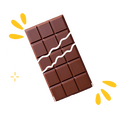
 Chocolate Bars
 Dragees
 Cakes & Muffins
 Sweets & Gummies
 Cookies
 Dessert Sauces
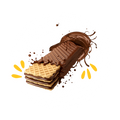 Wafers
 Spreads
 Muesli Bars
 Guilt-free Gifting
 Sales & Promotions

How to Bake With
Sugar-Free Chocolate
A US baker's guide to melting, substituting, and troubleshooting sugar-free chocolate for cookies, cakes, and brownies.
Can You Bake With Sugar-Free Chocolate?
Yes, you can bake with sugar-free chocolate in cookies, cakes, brownies and frostings just like regular chocolate. It is simply more sensitive to heat and moisture. Here is what matters most:
- Do: Melt gently over low heat using a double boiler or short microwave bursts
- Do: Keep every bowl, spoon and whisk completely dry before melting
- Do: Substitute sugar-free chocolate for regular chocolate at a 1:1 ratio by weight
- Watch: Some sweeteners, like erythritol, can recrystallise into a grainy texture on cooling
- Watch: Even a drop of water can cause sugar-free chocolate to seize and clump
- Tip: Chill cookie dough for at least 30 minutes for more even spreading in the oven
You have swapped the sugar bowl for a sweetener jar, checked the labels twice, and you are still not sure your favourite cookie recipe will turn out right. It is a fair worry. Sugar-free chocolate does not behave exactly like the chocolate you grew up baking with.
The good news is that the fix is not complicated. Sugar-free chocolate bakes beautifully once you understand how it reacts to heat and moisture. This guide walks through the science, the technique and the troubleshooting so your cookies, cakes and brownies come out right the first time.
If you are managing diabetes, following a low carbohydrate or keto diet, or simply cutting back on added sugar, home baking is still open to you. You just need a few adjustments.
This guide is based on established baking science plus first-hand testing of common household techniques for melting and baking with sugar-free chocolate. Always check the ingredient label of your specific chocolate product, as sweetener blends vary by brand and can change how a recipe performs.
Why Sugar-Free Chocolate Behaves Differently in the Oven
Regular chocolate uses granulated cane sugar, which melts smoothly and blends easily into cocoa butter. Sugar substitutes change that chemistry in three important ways.
It Seizes More Easily
Chocolate seizes when moisture meets it while melting, causing the cocoa solids to clump instead of flowing smoothly. Many sugar substitutes are more hygroscopic than sugar, meaning they attract moisture more readily, which makes seizing a bigger risk with sugar-free chocolate.
Some Sweeteners Recrystallise on Cooling
Sugar alcohols such as erythritol can recrystallise as chocolate cools, creating a gritty or sandy mouthfeel. A finely powdered sweetener incorporates far more smoothly than a granulated one.
Sweetness and Bulk Are Different
Sweeteners like stevia and monk fruit are far more concentrated than sugar, so recipes need only a fraction of the amount. That changes bulk and texture in a way sugar normally provides, which is why some sugar-free doughs spread less in the oven.
Most baking problems with sugar-free chocolate trace back to one of two things: moisture reaching the chocolate while it melts, or heat that is too high, too fast. Slow down both, and the results improve dramatically.
Sweetener Comparison for Baking
Not every sugar-free chocolate behaves the same way in a recipe. The sweetener used changes the melting behaviour, texture and how the finished bake tastes.
| Sweetener | Melting Behaviour | Texture Risk | Best Used For | Baking Rating |
|---|---|---|---|---|
| Allulose | Melts and browns similarly to sugar | Low | Cookies needing to be spread and browned | Best for Baking |
| Maltitol | Melts well, close to sugar behaviour | Low graininess risk | Bars, coated treats, chip-style baking | Best for Baking |
| Erythritol (powdered) | Good once fully powdered | Moderate if granulated | Keto cookies, brownies | Good Choice |
| Monk Fruit Blend | Very sweet in small amounts | Low, usually blended with erythritol | Cakes, frostings | Good Choice |
| Stevia | Potent, so measure precisely | Low when blended | Blended with a bulk sweetener | Measure Precisely |
| Granulated Erythritol (unpowdered) | Resists dissolving | Higher graininess risk | Not ideal alone for smooth melting | Powder First |
Based on established baking references and common household testing. Individual product performance can vary by brand and formulation.
How to Melt Sugar-Free Chocolate Without Seizing
Dry Your Tools
Make sure your bowl, spatula and any moulds are completely dry. Even a few drops of water can cause seizures.
Choose Gentle Heat
Use a double boiler with barely simmering water, or a microwave at 50% power in short bursts.
Stir Often
Stir between every interval, even if the chocolate looks unchanged. This distributes heat evenly and prevents scorching.
Stop Early
Remove from heat while a few small lumps remain. Residual heat and stirring will finish the job smoothly.
Fixing Chocolate That Has Already Seized
If your chocolate clumps, add warm coconut oil, cocoa butter or a neutral vegetable oil, one teaspoon at a time, and stir vigorously. This will not restore a glossy finish for dipping, but it will smooth the chocolate enough to use in batters, ganache or a drizzle.
Covering a double boiler with a lid traps steam, which then condenses and drips into the chocolate. Leave the pot uncovered and keep the water at a gentle simmer, never a rolling boil.

Diablo Sugar Free Chocolate Bars
Maltitol-sweetened milk and dark bars. Maltitol melts close to the way sugar does, which is what you want for ganache, drizzles and dipping.
Substitution Ratios: Swapping Sugar-Free Chocolate Into Any Recipe
The simplest rule to remember: swap sugar-free chocolate for regular chocolate at a 1:1 ratio by weight, then make small adjustments based on the format you are baking.
- Cookies: Chop sugar-free chocolate bars into chip-sized pieces and use 1:1 by weight. Chill the dough for at least 30 minutes and flatten each cookie slightly before baking, since some sweeteners spread less than sugar
- Cakes and cupcakes: Melted sugar-free chocolate replaces melted regular chocolate 1:1 in batter. Any granulated sugar in the recipe still needs its own substitute
- Brownies: Sugar-free chocolate works well here. Add one to two teaspoons of extra butter or coconut oil per cup of chocolate to offset any dryness
- Frostings and ganache: Warm cream gently rather than boiling it, then add it to the chocolate slowly in small amounts, stirring constantly, to avoid seizing
Diablo Sugar Free Chocolate Bars
Chop into chunks for cookies with pools and shards of chocolate rather than uniform chips.
Choosing the Right Sugar-Free Chocolate for Baking
Chips, Bars or Baking Wafers
Pre-formed chocolate chips are formulated to hold their shape at oven temperature, which makes them convenient for cookies, and couverture-style baking wafers are built for consistent melting in coatings and drizzles. Not every sugar-free chocolate brand offers all three formats, though: Diablo Sugar Free's range, for example, is sold as solid bars, so for a chip-style bake you will want to chop the bar into pieces yourself. Diablo's own "Wafers" line is a filled crème snack wafer rather than a melting or couverture product, so it is not a substitute for baking wafers in a recipe. Check the format on the pack before you buy if a recipe specifically calls for chips or melting wafers.
What to Check on the Label
- Sweetener type and blend, since this affects taste, texture and digestive tolerance
- Net carbs versus total carbs, which matters for anyone counting carbohydrate
- "No added sugar" versus "sugar-free", which are regulated differently under US labelling rules and can mean different things nutritionally
- Allergen statements, since many sugar-free chocolate products are made in facilities that also process nuts, soy or dairy
Diablo Sugar Free's no-added-sugar chocolate bars are formulated to hold their flavour and structure well through baking. Always check the ingredient panel on the specific bar you are using, since sweetener and cocoa content can vary across the range. Polyols are absorbed slowly, which is the point; packs over 10 percent polyols note that excessive consumption may produce laxative effects, so enjoy a few pieces at a time and your gut adjusts.
Common Baking Problems and How to Fix Them
- Grainy or sandy texture: Switch to a powdered sweetener blend, or choose a chocolate sweetened with maltitol or allulose, both of which tend to melt more smoothly
- Chocolate seized in the bowl: Your tools likely had moisture on them. Start again with a dry setup, or rescue the batch with a small amount of warm fat stirred in
- Cookies spread too little: Shorten the chilling time, or flatten the dough slightly before baking
- Baked good tastes less sweet than expected: Sweetness perception varies by sweetener. Taste your batter before baking and adjust in small increments
- Working out your portion: polyols are absorbed slowly, which is the point. Packs over 10 percent polyols note that excessive consumption may produce laxative effects, so serve a few pieces at a time and your gut adjusts
Baking With Sugar-Free Chocolate and Diabetes: What to Check
"Sugar-free" is a claim about the sugars in a food. It does not mean carbohydrate free or calorie free: sugar alcohols such as maltitol are carbohydrates and are declared on the nutrition panel. On blood glucose, one wording is authorised and it is worth quoting exactly: "Consumption of foods containing maltitol instead of sugar induces a lower blood glucose rise after their consumption compared to sugar-containing foods" (GB nutrition and health claims register).
The American Diabetes Association recommends checking total carbohydrate content, not just sugar content, and accounting for portion size when including any sweetened treat in a meal plan. If you or a family member is managing diabetes, it is worth discussing sugar alcohol tolerance and portion guidance with a registered dietitian or your care team.
Sugar-Free Baking Tips USA Bakers Should Know
- Weigh chocolate rather than measuring by volume for consistent results, especially when substituting sweeteners
- Store sugar-free chocolate in a cool, dry place, since humidity accelerates sweetener crystallisation and can create a whitish bloom on the surface
- Read "no added sugar" labels carefully, as US labelling allows this term even when a sugar substitute is present
- Serve modest portions when baking for children or for large batches, since packs over 10 percent polyols note that excessive consumption may produce laxative effects
- Keep a simple baking journal of which sweetener blends worked best in which recipes, since results vary more between brands than in conventional baking
Frequently Asked Questions
References and Sources
- American Diabetes Association. Can People with Diabetes Eat Chocolate? diabetesfoodhub.org
- King Arthur Baking Company. How to Melt Chocolate. kingarthurbaking.com
- All Day I Dream About Food. Homemade Sugar-Free Chocolate Chips. alldayidreamaboutfood.com
- Wholesome Yum. Keto Chocolate Bar (Easy Recipe). wholesomeyum.com
- Mayo Clinic. Artificial Sweeteners and Other Sugar Substitutes. mayoclinic.org
- U.S. Food and Drug Administration. Food Labelling Guide: Sugars. fda.gov
Ready to Bake Something Sweet?
Diablo Sugar Free's no-added-sugar chocolate bars are built for real chocolate flavour and reliable melting, so your next batch of cookies, brownies or cakes turns out right.
Shop Diablo Sugar Free ChocolateNo added sugar. Real chocolate flavour. Baked the way you like it.