 Chocolate Bars
 Dragees
 Cakes & Muffins
 Sweets & Gummies
 Cookies
 Dessert Sauces
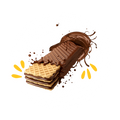 Wafers
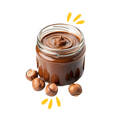 Spreads
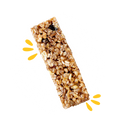 Muesli Bars
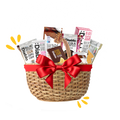 Guilt-free Gifting
 Sales & Promotions

What Are the Best Sugar-Free School Snacks?
The best sugar-free school snacks combine protein, fibre, and a hint of fresh flavour, with room for a genuine sugar-free treat when your child craves one. Here is what matters most:
- Fresh fruit and vegetables paired with cheese, hummus, or nut butter keep energy steady for the whole school day
- Sugar-free candy and chocolate satisfy a sweet craving without added sugar; Diablo Sugar Free's gummies pair maltitol and sorbitol with stevia, while its hard candies use isomalt, maltitol and acesulfame K
- Polyols such as maltitol and isomalt are absorbed slowly; packs over 10 percent polyols note that excessive consumption may produce laxative effects, so a few pieces at a time is the sensible serving
- Daily added sugar limit for kids: The American Heart Association recommends children ages 2 to 18 stay under 25 grams (about 6 teaspoons) of added sugar per day
- Read the label, not just the front-of-pack claim, since "sugar-free," "no added sugar," and "reduced sugar" all mean different things under US labelling rules
The school bell rings, the lunchbox comes home empty, and somewhere between the 10 am spelling test and the 2 pm math worksheet, your child hits a wall. That energy crash is often traced straight back to what was packed that morning.
Finding real sugar-free school snacks that kids will actually eat, without turning lunch packing into a daily negotiation, is one of the most common challenges parents face every September. This guide is built for that exact problem.
Whether you are managing your child's blood sugar, raising a low-carb or keto household, or simply trying to cut back on added sugar, you will find practical, label-literate, kid-tested ideas here, including where a genuine piece of sugar-free lunchbox candy fits into a balanced school day.
This guide references guidance from the American Heart Association, the American Academy of Paediatrics, and current US FDA labelling rules. It is intended for general educational purposes. Always consult your child's paediatrician or a registered dietitian for individualised advice, particularly if your child has diabetes or another medical condition.
Why Sugar-Free Matters for Your Child's School Day
Added sugar does more than add calories. When a child eats a high-sugar snack on an empty stomach, blood glucose rises quickly and then drops, often within an hour or two. That drop tends to show up in the classroom as fidgeting, irritability, and trouble concentrating.
The American Heart Association recommends that children ages 2 to 18 consume no more than 25 grams, or about 6 teaspoons, of added sugar per day, and that sugary drinks be limited to no more than 8 ounces a week. A single sugary lunchbox treat can quietly use up most of that daily allowance before the school day is even half over.
For children managing diabetes or pre-diabetes, the stakes are higher still, since blood sugar swings can affect mood, focus, and physical safety during school hours. A well-planned sugar-free lunchbox is not about restriction for its own sake. It is about giving a child steady energy from the first bell to the last.
Sugar-Free vs No Added Sugar vs Reduced Sugar: What Labels Actually Mean
Grocery shelves are crowded with sugar claims, and they do not all mean the same thing. This is one of the most confusing parts of shopping for school snacks.
- Sugar-free: under US FDA rules, a product labelled "sugar-free" must contain less than 0.5 grams of sugar per serving. It can still contain sugar alcohols or approved sweeteners like stevia or monk fruit.
- No added sugar: this means no sugar or sugar-containing ingredient was added during processing, but the product may still contain naturally occurring sugar, such as the fructose in fruit.
- Reduced sugar: This means the product has at least 25 per cent less sugar than the standard version of that food, but it can still contain a meaningful amount of sugar.
How to Read a US Nutrition Facts Label for Added Sugars
- Check the "Added Sugars" line under Total Carbohydrates, not just "Total Sugars."
- Look at the per cent daily value. Anything above 10 per cent DV in a single snack is worth reconsidering for a small lunchbox item.
- Scan the ingredient list for hidden sugar names, including cane syrup, dextrose, maltose, and fruit juice concentrate.
- For sugar-free items, note which sweetener is used, since this affects both taste and digestive tolerance in children.
Sugar-Free Sweeteners Explained
Not all sugar-free sweeteners behave the same way in a child's body. Here is a parent-friendly breakdown of what shows up most often in sugar-free candy, chocolate, and baked goods.
A Solid Everyday Choice
Plant-derived and non-caloric, so it contributes no sugars. A common choice for kids and keto households, and one of the sweeteners in Diablo Sugar Free's gummy range.
Clean, Premium Sweetness
Also plant-derived, with a clean taste and no sugars to count. It is pricier than other sweeteners, so it shows up most often in premium sugar-free treats.
The Well Tolerated Polyol
A sugar alcohol that is mostly absorbed and excreted unchanged, contributing no sugars. Generally one of the most easily tolerated polyols for children and adults alike.
Common in Gum, Toxic to Dogs
Popular in sugar-free gum. Important: Xylitol is toxic to dogs, so store any xylitol-sweetened snack well away from family pets.
The Classic Candy Sweeteners
Common in sugar-free hard candies and chocolates because they replicate sugar's texture closely. Eaten instead of sugar they produce a lower and slower blood glucose rise, and a few pieces at a time is the way to enjoy them.
Xylitol is highly toxic to dogs, even in small amounts. If your household has a dog, store xylitol-sweetened snacks and gum somewhere your pet cannot reach, and check labels carefully before packing them in a lunchbox that travels through a shared kitchen.
Pair any sugar-free treat with a source of protein or fibre to keep energy steadier, for example, a small square of sugar-free chocolate alongside a handful of almonds or a sugar-free sweet after a protein-rich lunch rather than on an empty stomach.
Build a Balanced Sugar-Free Lunchbox
The Protein, Fibre, Fresh, Treat Formula
A balanced sugar-free lunchbox combines one protein source, one fibre-rich carbohydrate, one fresh fruit or vegetable, and, if desired, one small sugar-free treat. This combination supports steady energy and helps head off the mid-afternoon crash that sugary lunches often cause.
| Component | Purpose | Examples |
|---|---|---|
| Protein | Keeps kids full and supports focus | Cheese, hard-boiled eggs, hummus, meat sticks, yoghurt |
| Fibre-rich carb | Slows sugar absorption, sustains energy | Whole grain crackers, oats, whole fruit, and vegetables |
| Fresh flavor | Adds natural sweetness and micronutrients | Berries, apple slices, cucumber, bell pepper |
| Optional treat | Satisfies the sweet craving without added sugar | A small portion of sugar-free candy or chocolate |
20 Sugar-Free Lunchbox Snack Ideas for Kids
Fresh and Whole Food Snacks
- Apple slices with natural peanut or almond butter
- Cucumber and bell pepper sticks with hummus
- Plain Greek yoghurt with fresh berries
- Cherry tomatoes with a small cheese cube
- Frozen grapes, a naturally sweet, no-added-sugar treat kids love in warm months
Protein-Packed Picks
- Hard-boiled eggs
- Turkey or chicken roll-ups
- Unsweetened meat sticks
- String cheese or cheese cubes
- Roasted chickpeas
Homemade Sugar-Free Treats
- No sugar-added energy balls made with oats, nut butter, and cinnamon
- Sugar-free banana muffins sweetened with mashed ripe banana
- Homemade fruit leather with no added sugar
- Unsweetened applesauce pouches
- Sugar-free trail mix with nuts, seeds, and unsweetened coconut flakes
Sugar-Free Lunchbox Candy: USA Picks
When a child wants an actual sweet treat, not a fruit substitute, sugar-free confectionery fills that gap without the added sugar of regular candy.
Diablo Sugar Free Lunchbox Candy
Diablo's 75g hard candy bags are halal certified, with the cream varieties kosher certified too, and run about 12 calories per piece. The hard candies (strawberry, mint, lemon, and toffee varieties) are sweetened with isomalt, maltitol and acesulfame K; the gummies are sweetened with maltitol and sorbitol plus stevia.
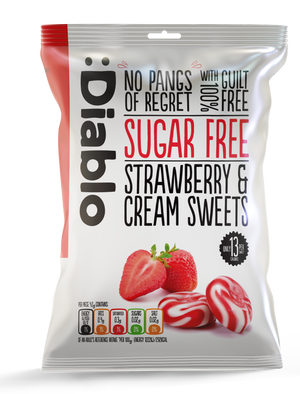
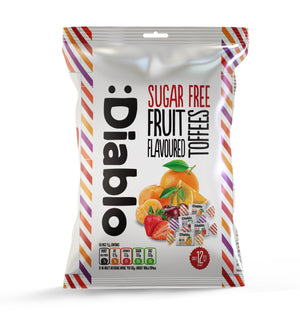
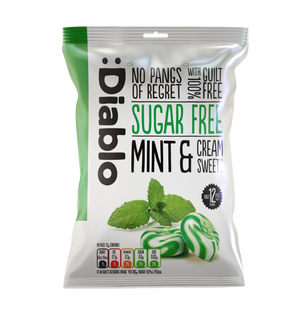
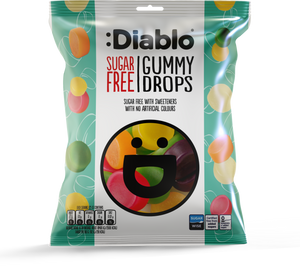
Diablo also makes an 85g sugar-free dark chocolate bar and a no added sugar milk chocolate bar for older kids. Excessive consumption of isomalt/maltitol-sweetened items may produce laxative effects; gummies are not recommended for children under 3 due to choking risk. See sweets, gummies and chocolate for the full range.
- Sugar-free chocolate-covered raisins or nuts sweetened with monk fruit or stevia
- Sugar-free chocolate chip cookies made with a stevia or erythritol blend
Whole hard candies and small chocolates can be a choking hazard for children under four. Choose soft, chewable, or melt-in-mouth sugar-free treats for preschool and early elementary lunchboxes, and always check your child's classroom rules on candy before packing any confectionery item.
Keto Lunchbox Ideas for Kids
Families following a low-carb or ketogenic lifestyle need a slightly different approach, focused on net carbs rather than sugar alone.
- Cheese and salami roll-ups, near-zero net carbs
- Celery with cream cheese or almond butter
- Sugar-free chocolate with monk fruit or erythritol, checked for net carbs under 5 grams per serving
- Avocado with a squeeze of lime and a pinch of salt
- Hard-boiled eggs with a sprinkle of paprika
- Unsweetened coconut chips
- Homemade fat bombs made with nut butter, cocoa, and a zero-sugar sweetener
When shopping for keto lunchbox candy or chocolate, always check the net carbs figure, total carbohydrates minus fibre and sugar alcohols, not just the "sugar-free" claim, since total carbohydrate figures include sugar alcohols, which many keto plans count differently.
Sugar-Free Snacks for Kids Managing Diabetes or Pre-Diabetes
For a child managing diabetes or pre-diabetes, snack choice is part of daily blood sugar management, not just comfort. A few practical guidelines:
- Check which sweetener is used; stevia and monk fruit are non-caloric and contribute no sugars
- Pair any carbohydrate, even a sugar-free one, with protein or fat to slow absorption
- Check total carbohydrate content, not just the sugar line, since carbs from any source affect blood sugar
- Keep portion sizes consistent and predictable; with sugar alcohol-sweetened candies, a few pieces at a time is the sensible serving
- Work with your child's paediatrician, endocrinologist, or a registered dietitian to set an individual daily carbohydrate and snack plan, since needs vary significantly by child
This section is intended for general educational purposes and is not a substitute for individualised medical or nutrition advice from your child's healthcare provider.
School Rules to Check Before You Pack
- Nut-free policy: Many schools restrict peanuts and tree nuts entirely
- Refrigeration access: Some sugar-free yoghurts, cheeses, and chocolates need to stay cool, so pack an ice pack if there is no fridge access
- Candy or treat restrictions: Some classrooms limit any candy, sugar-free or not, so check before including sugar-free sweets
- Choking hazard guidelines: whole grapes, hard candies, and nuts may be restricted for younger grades
Sugar-Free Snack Comparison Table
| Snack Category | Typical Sweetener | Best Age Group |
|---|---|---|
| Fresh fruit and vegetables | None, natural | All ages |
| Cheese and protein snacks | None | All ages |
| Homemade sugar-free baked goods | Stevia, erythritol, mashed fruit | 3 years and up |
| Sugar-free chocolate and sweets (e.g. Diablo) | Isomalt, maltitol, acesulfame K (sweets); maltitol, sorbitol, stevia (gummies) | 4 years and up, choking caution under 4 |
| Regular candy (for comparison) | Refined sugar | Not recommended as a daily snack |
Sources: FDA Nutrition Facts labelling guidance, American Heart Association, and product data current as of publication.
Sample One-Week Sugar-Free Lunchbox Plan
| Day | Protein | Fiber Carb | Fresh Item | Treat |
|---|---|---|---|---|
| Monday | String cheese | Whole-grain crackers | Apple slices | Small Diablo sugar-free sweet |
| Tuesday | Turkey roll-ups | Roasted chickpeas | Cucumber sticks | Frozen grapes |
| Wednesday | Hard-boiled egg | Homemade granola bar | Bell pepper strips | Diablo sugar-free chocolate square |
| Thursday | Hummus | Whole-grain pita | Cherry tomatoes | Unsweetened applesauce pouch |
| Friday | Greek yogurt | Oat energy ball | Mixed berries | Sugar-free gummy treat |
Frequently Asked Questions
References and Sources
- Vos M.B. et al. (2017). Added Sugars and Cardiovascular Disease Risk in Children: A Scientific Statement From the American Heart Association. Circulation. ahajournals.org
- American Heart Association. Kids and Added Sugars: How Much Is Too Much? heart.org
- US Food and Drug Administration. Nutrition Facts Label: Added Sugars. fda.gov
- American Academy of Paediatrics. Sweets and Sweetened Beverages: Guidance for Families. aap.org
- Mayo Clinic. Artificial Sweeteners and Other Sugar Substitutes. mayoclinic.org
- Diet Doctor. Keto Sweeteners: The Visual Guide. dietdoctor.com
Ready to Pack a Sweeter, Sugar-Free Lunchbox?
Diablo Sugar Free crafts chocolates, sweets, and cookies with zero added sugar and genuine taste that kids and parents both enjoy. Made for every lunchbox that still wants a little sweetness.
Shop Diablo Sugar FreeNo added sugar. Halal and kosher certified options. Just real sweetness, done right.