 Chocolate Bars
 Dragees
 Cakes & Muffins
 Sweets & Gummies
 Cookies
 Dessert Sauces
 Wafers
 Spreads
 Muesli Bars
 Guilt-free Gifting
 Sales & Promotions

What Are the Best Sugar-Free Cookies in the US?
The best sugar-free cookies in the US are labeled under the FDA's "less than 0.5g sugar per serving" rule and are sweetened with polyols such as maltitol or erythritol, or with monk fruit, stevia, or allulose. Here is what to know before you buy:
- Best for classic taste: Diablo Sugar Free's chocolate chip, coconut, and sandwich cookies use maltitol for a familiar, bakery-style texture
- Best for low net carbs: Brands using monk fruit, stevia, or erythritol, such as HighKey and Fat Snax, typically show the lowest net carb counts per serving
- Good to know: polyols such as maltitol are absorbed slowly, which is the point; packs over 10 percent polyols note that excessive consumption may produce laxative effects, so enjoy a few at a time
- Label rule: "Sugar-free" legally means less than 0.5g of sugar per serving, not zero carbohydrates
- Always check: Total carbohydrates and fiber, not just the sugar line, before deciding a cookie fits your diet
You want a cookie. Not a chalky, sawdust-textured stand-in that happens to say "diet" on the box, an actual cookie that tastes like one. If you are managing diabetes, watching a glucose monitor, following keto, or simply cutting back on sugar, the sugar-free cookie aisle can feel like a gamble.
Some brands nail the taste. Others miss it entirely. The difference almost always comes down to the sweetener, not the "sugar-free" claim itself.
This guide breaks down what "sugar-free" actually means under US law, how the main sweeteners work, how to read a cookie label the way a dietitian would, and which sugar-free cookies in the US are genuinely worth buying.
This guide references FDA labeling regulations and guidance summarized from registered dietitians and diabetes nutrition resources. It is intended for educational purposes. Always consult your physician or registered dietitian before changing your diet, especially if you manage diabetes.
What Does "Sugar-Free" Actually Mean in the US?
The phrase "sugar-free" is regulated, not just marketing language, and understanding the rule behind it changes how you shop.
The FDA Sugar-Free Labeling Rule
Under FDA regulations, a food can only be labeled "sugar-free" if it contains less than 0.5 grams of sugar per serving. That is a legal threshold, not a suggestion, and it is the single most useful fact for cutting through confusing packaging.
This rule matters because a cookie can be "sugar-free" and still contain sugar alcohols, starches, and refined flour that affect your blood sugar and total carb count. Sugar-free is a statement about added sugar content, not a guarantee about total carbohydrates or glycemic impact.
Sugar-Free vs. No Added Sugar vs. Marketing Labels
These three phrases get used interchangeably, but they are not the same claim.
- Sugar-free means under 0.5g of sugar per serving, achieved through sweetener substitution
- No added sugar means no sugar was added during manufacturing, though the product can still contain naturally occurring sugars from ingredients like milk powder
- Unregulated marketing labels, such as claims that a cookie suits a particular medical condition, are not defined or certified by any government body, so verify any such claim yourself on the nutrition panel
If you see all three terms on one package, read the actual nutrition facts panel before trusting any of them. The ingredient list tells you more than the front-of-box claim.
Sugar-Free Cookies and Diabetes: What to Check
The sweetener matters more than the "sugar-free" claim itself, and the nutrition panel matters more than either.
How Sugar Substitutes Affect Blood Glucose
Most low-glycemic sweeteners used in sugar-free cookies, including monk fruit, stevia, erythritol, and allulose, produce little to no rise in blood glucose because they are either not metabolized as glucose or are only partially absorbed. Even so, a cookie is more than its sweetener: total carbohydrates and portion size still matter, and anyone managing type 1 or type 2 diabetes should lean on their care team for personal advice.
That said, individual glucose response varies. Two people can eat the same cookie and see different readings on a continuous glucose monitor, which is why healthcare providers generally recommend testing your own response rather than assuming a label guarantees an outcome.
What Dietitians Recommend Checking on the Label
Before buying, dietitians typically suggest checking these items in order:
- Total carbohydrates per serving, not just the sugar grams
- Fiber content, aiming for 3g or more, since fiber slows glucose absorption
- Sweetener type, so you know whether your cookie is sweetened with a polyol such as maltitol or erythritol, or with monk fruit, stevia, or allulose
- Serving size realism, since many "low-carb" numbers are based on a single small cookie rather than what you would actually eat
The Sweeteners Behind Sugar-Free Cookies
Every sugar-free cookie relies on one or more sweetener categories. Knowing the difference is the fastest way to shop smarter.
Sugar Alcohols: Erythritol, Maltitol, Sorbitol, Xylitol
Sugar alcohols, also called polyols, occur naturally in small amounts in fruit and are produced commercially for sugar-free baking. Erythritol has the lowest glycemic index of the group. Maltitol and sorbitol are absorbed slowly, which is the point: consumption of foods containing maltitol instead of sugar induces a lower blood glucose rise after their consumption compared to sugar-containing foods (GB nutrition and health claims register). Packs containing over 10 percent polyols carry the standard note that excessive consumption may produce laxative effects; enjoy a few cookies at a time and your gut adjusts.
Natural Sweeteners: Stevia, Monk Fruit, Allulose
Stevia and monk fruit extract are plant-derived, non-caloric sweeteners that do not raise blood glucose and are generally well tolerated in normal serving sizes. Allulose is a rarer sugar that occurs naturally in small quantities in figs and raisins. It behaves like sugar in baking but is largely not absorbed as glucose by the body, making it a favorite among home bakers cutting added sugar.
Artificial Sweeteners: Sucralose, Aspartame, Ace-K
The FDA recognizes sucralose (Splenda), aspartame (Equal), acesulfame potassium (Ace-K), saccharin, and neotame as safe for the general population, including people with diabetes. Some brands use sucralose specifically to replicate a classic cookie taste.
Diablo Sugar Free's cookie range, including chocolate chip, coconut, butter, and sandwich varieties, is sweetened with maltitol to deliver a crumbly, bakery-style texture close to a traditional cookie. All Diablo cookies carry no added sugar and a clear digestive disclosure for shoppers who are new to maltitol.
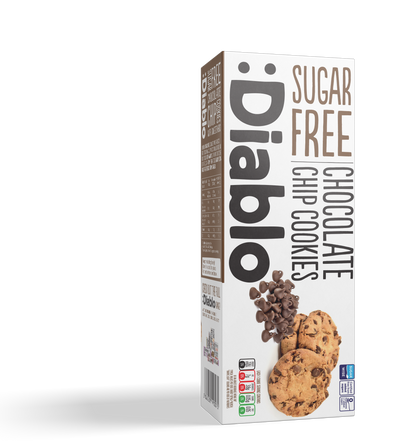
Maltitol-sweetened, sugar free, classic bakery-style chocolate chip cookie.
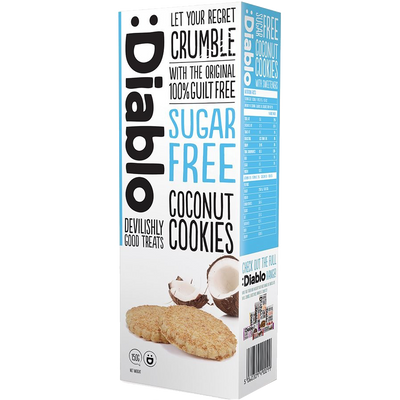
Maltitol-sweetened, sugar free, toasted coconut flavor throughout.
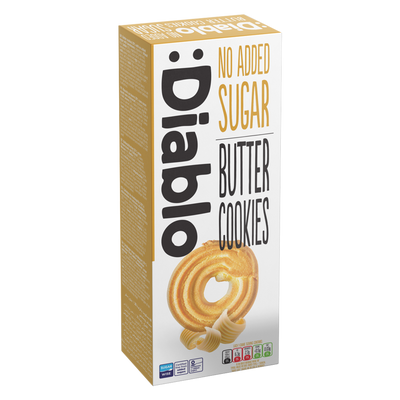
Maltitol-sweetened, light and short texture with a luxurious buttery flavor.
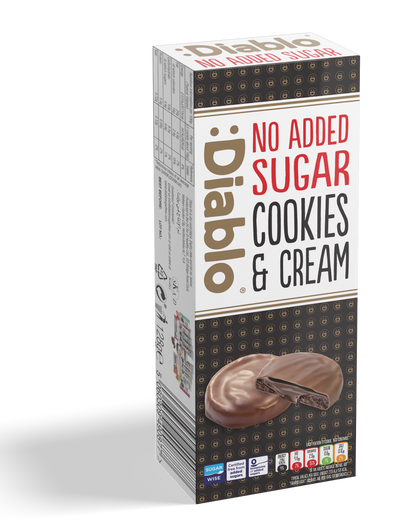
Maltitol-sweetened cream-filled sandwich cookie in dark chocolate.
Sweetener Comparison for Cookie Shoppers
| Sweetener | Blood Sugar Impact | Digestive Tolerance | Common In |
|---|---|---|---|
| Monk Fruit | Minimal | High | HighKey and other keto brands |
| Stevia | Minimal | High | Keto and clean-label brands |
| Allulose | Minimal | High | Newer brands, homemade recipes |
| Erythritol | Minimal | Moderate to High | Fat Snax and other keto brands |
| Sucralose | Minimal | High | Murray sandwich cookies (blended with maltitol) |
| Maltitol | Lower and slower rise than sugar | Absorbed slowly; enjoy a few at a time | Diablo Sugar Free, Aunt Gussie's, Murray |
| Sorbitol | Low | Absorbed slowly; enjoy a few at a time | Voortman wafers and cookies |
Sources: FDA labeling guidance, Nourish, DiabeSmart, Dietitian Live, manufacturer ingredient labels. Figures reflect standard serving sizes and may vary by individual.
How to Choose the Best Sugar-Free Cookies for Your Goal
Rather than guessing, match the cookie to your actual goal.
Diabetes Management
Check the sweetener, total carbs and fiber on the label, keep portions sensible, and lean on your care team for personal advice.
Keto and Low-Carb
Look for almond or coconut flour instead of wheat flour, and calculate net carbs rather than relying on the front-of-package claim.
Weight Management
Compare calories per cookie, not just per package. A sugar-free cookie can still be calorie-dense if it is high in fat.
Kids and Families
Choose simple ingredient lists, keep portions small, and treat sugar-free cookies as an occasional swap rather than an everyday staple.
Best Sugar-Free Cookies in the USA: Brand Comparison
| Brand | Style | Primary Sweetener | Best For | Notable Trait |
|---|---|---|---|---|
| Diablo Sugar Free | Chocolate chip, coconut, butter, sandwich | Maltitol | Classic bakery taste and variety | Widest US flavor range, no added sugar |
| HighKey | Sandwich and chocolate chip | Monk fruit, stevia, erythritol, allulose | Keto dieters counting net carbs | Up to 9g fiber per serving, gluten-free |
| Fat Snax | Chocolate chip | Erythritol | Low-carb, keto snacking | 1-3g net carbs per cookie |
| Aunt Gussie's | Chocolate chip, oatmeal, lemon and assorted classics | Maltitol | Shoppers wanting classic bakery flavors, spelt options | Long-standing US brand, family-owned since the 1980s |
| Murray | Sandwich, Oreo-style, chocolate chip | Maltitol blend with sucralose & Ace-K | Nostalgic, Oreo-style cravings | America's best-known sugar-free cookie brand |
| Voortman | Wafer and sandwich | Sorbitol with aspartame | Chocolate lovers on a budget | Widely available in mainstream grocery stores |
Nutrition specifics vary by flavor and package size. Always confirm current values on the manufacturer's nutrition label before purchase.
Where to Buy Sugar-Free Cookies in the US
Sugar-free cookies are widely available through several channels, each with different tradeoffs.
- Direct-to-consumer brand websites, such as the Diablo Sugar Free US store, carry the full range with the nutrition panel on every product page
- Major retailers such as Walmart carry a growing bakery and shelf-stable sugar-free selection
- Health food stores and specialty grocers often stock premium, higher-fiber options
- Local bakeries in many US cities now offer fresh-baked sugar-free options for same-day purchase
Sugar-Free Cookies for Businesses: Wholesale and Retail Buyers
Retailers, gym nutrition stores, online grocery platforms, and international distributors represent a growing share of demand in this category, driven by rising consumer interest in low-sugar snacking. If you are sourcing for a store shelf or wholesale account, prioritize:
- Shelf stability and packaging that survives retail handling
- Clear allergen and sweetener labeling to reduce customer service friction
- A range of SKUs, such as chocolate chip, sandwich, coconut, and butter, to serve varied shopper preferences in one order
- Established supply reliability, since specialty sugar-free bakeries can struggle with consistent ingredient sourcing at scale
Diablo Sugar Free operates a multi-flavor line built specifically around no-added-sugar and sugar-free formulations, positioning it well for retailers who want one supplier covering multiple product categories, including cookies, cakes, sweets, and spreads.
Common Mistakes to Avoid When Buying Sugar-Free Cookies
- Assuming "sugar-free" means "carb-free." Many sugar-free cookies still carry meaningful carbohydrate counts from flour and starches
- Trying a polyol-sweetened cookie for the first time and eating the whole sleeve. Polyols are absorbed slowly; start with a few cookies and your gut adjusts
- Ignoring fiber content, which plays a real role in how a cookie affects blood sugar
- Skipping the ingredient list in favor of front-of-package marketing claims
- Buying on price alone without checking sweetener type and the rest of the ingredient list
Polyols such as maltitol and sorbitol are absorbed slowly, which is the point. Packs containing over 10 percent polyols note that excessive consumption may produce laxative effects, so if you are trying a maltitol-sweetened cookie for the first time, start with one serving rather than a full sleeve. Enjoy a few at a time and your gut adjusts.
Frequently Asked Questions
References and Sources
- US Food and Drug Administration. Food Labeling Guide, sugar-free and reduced-sugar claims. fda.gov
- Nourish. Are Sugar-Free Cookies Good for People with Diabetes? nourish.com
- DiabeSmart. Sugar-Free Cookies and Diabetes. diabesmart.in
- Dietitian Live. Are Sugar-Free Cookies Good for Diabetes? Dietitians Weigh In. dietitianlive.com
- American Diabetes Association. General guidance on carbohydrate counting and blood glucose management. diabetesfoodhub.org
Ready to Taste the Difference?
Diablo Sugar Free crafts chocolate chip, coconut, butter, and sandwich cookies with no added sugar and a real bakery-style taste. Made for everyone who refuses to give up dessert.
Shop Diablo Sugar Free CookiesNo added sugar. Clear labeling. Just real cookie flavor, done right.