 Chocolate Bars
 Dragees
 Cakes & Muffins
 Sweets & Gummies
 Cookies
 Dessert Sauces
 Wafers
 Spreads
 Muesli Bars
 Guilt-free Gifting
 Sales & Promotions

Sweeteners & Gut Health:
What the US Research Says
A research-backed look at how aspartame, sucralose, stevia, and erythritol actually affect your gut bacteria.
Do Sweeteners Affect Gut Health?
Yes, but it depends heavily on which sweetener you choose. Current US research shows sweeteners are not one single category in how they meet gut bacteria. Here is what the science shows:
- ✓Sucralose and saccharin show the most consistent links to reduced gut bacteria diversity in current research
- ✓Aspartame shows comparatively limited impact on bacterial richness in several recent US studies
- ✓Stevia and erythritol are consistently gentler on gut bacteria diversity across lab and clinical comparisons
- ✓Sugar alcohols (polyols) such as maltitol, isomalt and sorbitol are absorbed slowly, which is the point; packs over 10 percent polyols note that excessive consumption may produce laxative effects, so enjoy a few pieces at a time and your gut adjusts
- ✓The FDA recognises the sweeteners it has reviewed as safe (GRAS) within the Acceptable Daily Intake (ADI)
- ✓Practical takeaway: variety and sensible portions matter more than treating any single sweetener as "good" or "bad"
- ✓A 2024 Cedars-Sinai study found non-aspartame sweeteners reduced bacterial richness in the small bowel more than aspartame alone
You cut back on sugar. You started reading labels. You switched to "sugar-free" chocolate, gum and drinks, and felt good about it. Then you saw a headline about sweeteners disrupting gut bacteria, and now you are wondering if you simply traded one problem for another.
Here is the reassuring part: not all sweeteners behave the same way in your gut. Grouping "sweeteners" into one bucket is exactly where most articles on this topic go wrong. What actually matters is which sweetener you are eating, how much, and how consistently.
In this research guide, we break down what current US studies, including work from Cedars-Sinai Medical Centre and peer-reviewed journals, say about sweeteners and gut health, how artificial sweeteners compare to options like stevia, erythritol and the sugar alcohols used in many sugar-free treats, and what the FDA and WHO actually recommend.
This guide references peer-reviewed research and guidance from Cedars-Sinai Medical Centre, the U.S. Food and Drug Administration (FDA), the World Health Organisation (WHO), and journals including iScience, Frontiers in Microbiology and the British Journal of Nutrition. It is intended for general educational purposes and is not medical or dietary advice. Always consult your physician or registered dietitian for personalised guidance, especially if you are managing a health condition.
What Does "Gut Health" Actually Mean?
Before comparing sweeteners, it helps to understand what researchers are actually measuring when they talk about gut health.
The Gut Microbiome, Explained Simply
Your gut hosts trillions of bacteria, collectively known as the gut microbiome. This community helps digest food, produces certain vitamins, supports your immune system, and manufactures compounds called short-chain fatty acids (SCFAs) that help keep your gut lining healthy. A well-functioning microbiome is generally diverse, meaning it contains many different bacterial species living in balance, rather than being dominated by just a few strains.
Why Gut Bacteria Matter Beyond Digestion
Research increasingly connects gut bacteria composition to blood sugar control, insulin sensitivity, inflammation, and immune function. This is exactly why scientists are paying close attention to anything, including sweeteners, that might shift the balance of that ecosystem.
A sweetener does not need to reach the colon to be relevant to gut health. Some sweeteners are broken down before they get there, while others pass through largely intact and interact directly with gut bacteria. This difference explains much of the variation seen in the research.
Do Sweeteners Affect Gut Bacteria? What US Research Says
This is the central question, and recent US-based research has produced some of the most detailed answers yet.
How Scientists Study Sweeteners and the Microbiome
Researchers generally use three approaches: lab bioreactor models that simulate gut conditions, animal studies, and controlled human trials comparing stool or intestinal samples before and after sweetener exposure. Each method has strengths and limitations, which partly explains why findings can look inconsistent from one headline to the next.
What Cedars-Sinai and Other US Studies Found
A notable 2024 controlled study from Cedars-Sinai Medical Centre examined the duodenal (small intestine) and stool microbiomes of people consuming non-sugar sweeteners. Researchers reported that non-aspartame sweeteners were linked to lower bacterial richness in the small bowel compared to non-users, while aspartame alone looked closer to controls. According to lead author Dr Ruchi Mathur, the effects of these substances appeared to differ depending on which part of the intestine was examined, meaning the small bowel and large bowel do not necessarily respond the same way.
Separately, a large-scale study using ex vivo human gut microbiome samples systematically tested 21 common sugar-substitute sweeteners and found that microbial responses clustered into distinct patterns, supporting the idea that sweeteners do not behave uniformly once they interact with gut bacteria.
A more recent lab-based comparison using minibioreactor arrays tested five common sweeteners side by side. Sucralose and saccharin reduced microbial diversity, with sucralose specifically enriching Enterobacteriaceae, a bacterial family that includes several opportunistic strains. Options such as Rebaudioside A (stevia) and xylitol were associated with beneficial bacteria such as Lachnospiraceae, with less overall disruption in these models.
Study designs vary widely in duration, dose and population, and researchers themselves note significant person-to-person variability in how gut bacteria respond to sweeteners. Much of this evidence comes from lab and short-term studies rather than long-term human trials. Current evidence points to meaningful differences between sweetener types, but this remains an active and evolving area of research.
Artificial Sweeteners and the Microbiome, Sweetener by Sweetener
Not all artificial sweeteners are studied the same way for gut impact. Here is what current research shows for the most common ones found in US grocery aisles.
Aspartame
Found in products like Equal and many diet sodas, aspartame is one of the most heavily studied sweeteners for metabolic and safety research. Several recent US studies found that aspartame's effect on gut bacteria richness was closer to that of non-users compared to other non-nutritive sweeteners, though it is metabolised differently in the body and is largely broken down before reaching the colon in most people.
Sucralose (Splenda)
Sucralose has shown some of the more consistent gut-disrupting signals in lab research, including reduced microbial diversity and enrichment of bacterial families linked to inflammation. Emerging 2025 to 2026 research has also raised early questions about sucralose's role in immune-related gut processes, an area still under active investigation.
Saccharin
One of the oldest artificial sweeteners, sold as Sweet'N Low, saccharin was the focus of a landmark study that first linked non-nutritive sweeteners to glucose intolerance through gut microbiota changes. Newer research published in the British Journal of Nutrition has also flagged a possible mortality association in people with diabetes at intakes below the FDA's Acceptable Daily Intake, one reason cited for cautious use in this specific population.
Acesulfame-K
Often blended with other sweeteners in diet beverages, Ace-K has been shown in lab studies to increase overall bacterial diversity in some cases, but it also appears to disrupt the structural network of the microbiome in ways researchers say could affect long-term resilience.
Other Zero-Sugar Sweeteners and Gut Health
Not every sugar substitute is a synthetic high-intensity sweetener. Several plant-derived options and naturally occurring sugar alcohols are widely used in sugar-free foods and are increasingly studied for their gut effects.
Stevia
Derived from the leaves of the Stevia rebaudiana plant, stevia and its component Rebaudioside A have repeatedly performed better than several synthetic sweeteners in comparative gut microbiome studies, showing less disruption to diversity and, in some lab models, associations with beneficial bacterial families.
Erythritol
A sugar alcohol that occurs naturally in some fruits, erythritol is largely absorbed in the small intestine and excreted unchanged, meaning relatively little of it reaches the colon to interact with gut bacteria compared to other sugar alcohols. This is one reason it appears in some sugar-free formulations.
Maltitol, Isomalt and Other Sugar Alcohols
Maltitol, isomalt and sorbitol are sugar alcohols (polyols) used widely in sugar-free confectionery because they provide bulk, texture and sweetness with fewer available carbohydrates than sugar. They are absorbed slowly and only partially, which is the point, so some passes to the large intestine where gut bacteria ferment it. Packs over 10 percent polyols carry the statement that excessive consumption may produce a laxative effect. Enjoy a few pieces at a time and your gut adjusts.
Monk Fruit
Monk fruit extract, from Siraitia grosvenorii, is a newer entrant to the US market. Research on its microbiome impact is still limited compared to stevia and erythritol, but its plant-based, minimally processed profile has made it a preferred option for some consumers seeking alternatives.
Xylitol
Another sugar alcohol, xylitol, performed favourably in head-to-head lab comparisons against several synthetic sweeteners, showing less disruption to microbial diversity. Xylitol is best enjoyed a few pieces at a time, and it is toxic to dogs, so households with pets should store xylitol-sweetened products securely.
Sweeteners and Gut Health Compared
| Sweetener | Type | Gut Microbiome Impact (Current Research) | Common US Products | Notes |
|---|---|---|---|---|
| Stevia (Reb A) | Plant-derived | Comparatively gentle on diversity in current studies, some models suggest support for beneficial bacteria | Tabletop stevia, some chocolate | Gentler in studies |
| Erythritol | Sugar alcohol | Mostly absorbed before reaching the colon, with limited bacterial interaction | Sugar-free chocolate, keto snacks | Gentler in studies |
| Xylitol | Sugar alcohol | Comparatively gentle in lab comparisons; GI upset possible in excess | Sugar-free gum, mints | Portion aware |
| Monk Fruit | Plant-derived | Limited research so far, early data favourable | Monk fruit sweetened drinks and snacks | Limited data |
| Maltitol / Isomalt | Sugar alcohol | Partially fermented in the colon; slow absorption is the point, and packs over 10 percent polyols carry the standard advisory | Sugar-free chocolate, sweets, cookies | A few at a time |
| Aspartame | Artificial | Generally a limited impact on bacterial richness in several studies | Equal, diet beverages | Moderate |
| Acesulfame-K | Artificial | Increases diversity but may disrupt microbial network structure | Diet sodas, blended sweeteners | Mixed evidence |
| Sucralose | Artificial | Reduces microbial diversity, enriches less-favourable bacteria in lab studies | Splenda, diet beverages | Watch intake |
| Saccharin | Artificial | Linked to glucose intolerance via microbiota changes in some studies | Sweet'N Low | Watch intake |
Sources: Cedars-Sinai Medical Centre; Frontiers in Microbiology (2025); PMC ex vivo gut microbiome study; British Journal of Nutrition. Column reflects current comparative research and may evolve as more studies are published. This is general information, not a health claim about any specific product.
Are Sweeteners Healthy? The FDA and WHO Positions, Explained
This is where a lot of confusion comes from, because the FDA and WHO frame the question differently.
What the FDA Says
The FDA recognises several non-nutritive sweeteners as safe (GRAS), including aspartame, sucralose, saccharin, acesulfame-K and neotame, and maintains that these are safe for the general population when consumed within the established Acceptable Daily Intake (ADI). The agency has stated it found no safety concerns for aspartame when used as approved.
What the WHO Says
In 2022, the World Health Organisation released a comprehensive review concluding that while non-sugar sweeteners may modestly reduce body weight and energy intake in short-term trials, longer-term studies raised concerns about associations with type 2 diabetes, cardiovascular disease and mortality. Based on this, the WHO advised that non-sugar sweeteners should not be relied upon as a strategy for weight control or chronic disease prevention.
Reconciling the Two
The FDA's stance concerns the safety of approved sweeteners at typical intake levels. The WHO's stance concerns whether sweeteners should be relied upon as a health strategy. Both can be true at once: a sweetener can be approved and generally safe, while still not being a guaranteed tool for long-term health improvement. For most people, the practical takeaway is moderation and variety, not treating any single ingredient as a health solution.
Who Should Read Labels Most Closely?
People Watching Their Blood Sugar
People reducing their sugar intake are often the most interested in sweeteners. Recent research suggests some sweeteners, particularly saccharin, have been flagged for closer study in people with diabetes. This does not mean sweeteners should be avoided altogether, but it is a good reason to read labels, choose products thoughtfully, monitor how your own body responds, and discuss your diet with a healthcare professional.
People with IBS or Existing Gut Sensitivity
Sugar alcohols such as xylitol, sorbitol, maltitol and isomalt are absorbed slowly and partly fermented by gut bacteria, which is exactly why they replace sugar. Packs over 10 percent polyols note that excessive consumption may produce laxative effects. If you have IBS or a sensitive digestive system, start with a few pieces at a time and let your gut adjust.
How to Choose Sugar-Free Treats Sensibly
If the goal is enjoying something sweet without overdoing it, a few practical habits can help.
Check the Label, Not the Front of Pack
"Sugar-free" alone tells you little on its own. Look at the sweetener listed and the ingredients, so you know what you are eating.
Watch Total Daily Intake
Add up drinks, gum, snacks and confectionery together. Effects tend to be dose-dependent, not just product-dependent.
Introduce New Products Gradually
Especially with sugar alcohols, give your gut a few days to adjust rather than switching everything at once.
Talk to Your Provider
If you manage a health condition, discuss your food and sweetener choices with your healthcare provider or dietitian.
Based on current research, choosing a variety of foods, keeping portions sensible, and paying attention to how your own body responds is the most evidence-based approach available today. Gut reactions to sweeteners are individual, and research consistently shows high person-to-person variability.
Sugar-Free Treats from Diablo
Diablo Sugar Free makes chocolates, cookies and sweets with sweeteners in place of sugar. The range is sweetened mainly with sugar alcohols such as maltitol and isomalt, and some chocolates and gummies also contain steviol glycosides from stevia. Figures below are per 100g from product data. As with all foods made with sugar alcohols, enjoy in sensible portions.
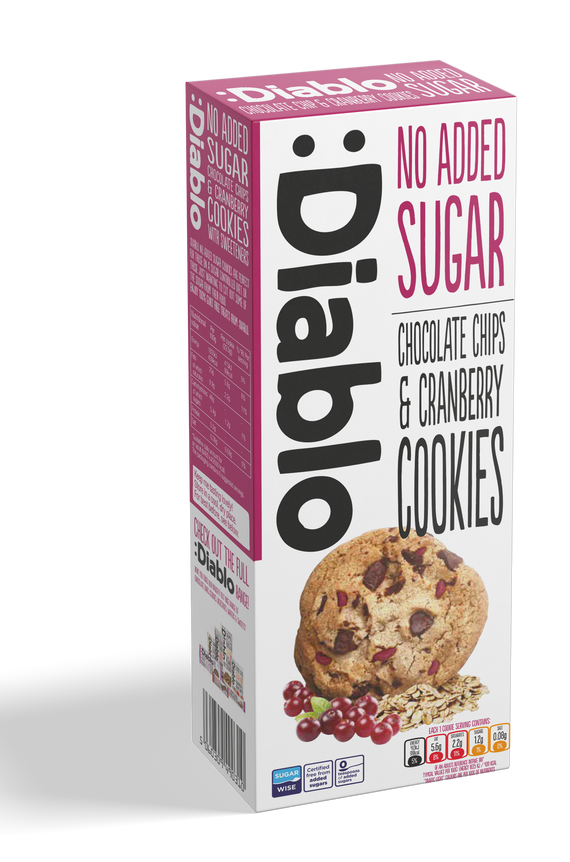
Diablo SF Chocolate Chip Cookies
- Per 100g
- Energy462 kcal
- of which sugars0.2 g
- Fat31 g
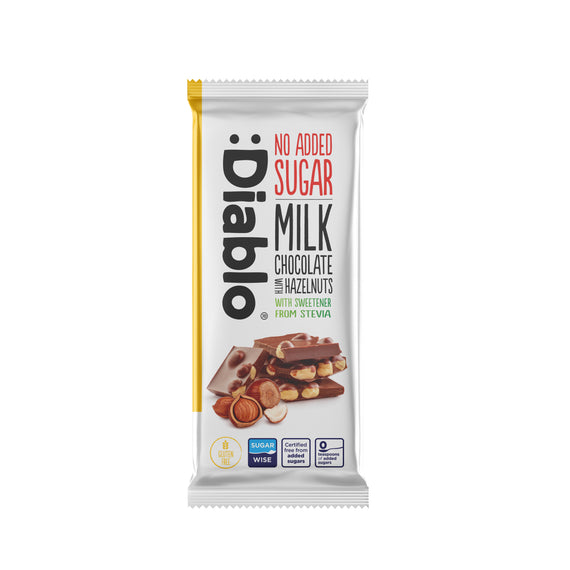
Diablo NAS Milk Chocolate
- Per 100g
- Energy504 kcal
- of which sugars8.9 g*
- Fat37 g
Diablo SF Gummy Bears
- Per 100g
- Energy219 kcal
- of which sugars0.1 g
- Fat0.2 g

Diablo Sugar Free chocolates, cookies and sweets are made with sweeteners instead of sugar, so you can enjoy a treat while cutting back on the sugar in your diet. Depending on the product, items carry a "sugar free" or "no added sugar" claim. Because the range is made with sugar alcohols, it is best enjoyed in sensible portions, excessive consumption may have a laxative effect. Always check the label if you have allergies or are managing a health condition.
Frequently Asked Questions
References & Sources
- Cedars-Sinai Medical Centre. Research Alert: Artificial Sweeteners Significantly Alter the Small Bowel Microbiome. cedars-sinai.org
- Frontiers in Microbiology (2025). Synthetic vs. non-synthetic sweeteners: their differential effects on gut microbiome diversity and function.
- PMC. Comprehensive Assessment of Functional Effects of Commonly Used Sugar Substitute Sweeteners on Ex Vivo Human Gut Microbiome.
- PMC. Effects of Sweeteners on the Gut Microbiota: A Review of Experimental Studies and Clinical Trials.
- Current Nutrition Reports, Springer Nature. Artificial Sweeteners and Gut Microbiota: Mechanistic Insights and Implications for Metabolic Health.
- U.S. Food and Drug Administration. Aspartame and Other Sweeteners in Food. fda.gov
- World Health Organisation (2022). Guidance on Non-Sugar Sweeteners. who.int
- British Journal of Nutrition. Saccharin intake and mortality risk research, 2025 to 2026 cycle.
Sweet Treats, Made With Sweeteners Instead of Sugar
Diablo Sugar Free crafts chocolates, cookies and sweets using sweeteners in place of sugar, with a "sugar free" or "no added sugar" claim depending on the product. Made for everyone cutting back on the sugar in their diet, without giving up life's sweet moments.
Shop Diablo Sugar Free →Made with sweeteners instead of sugar. Made with sugar alcohols; excessive consumption may have a laxative effect.