 Chocolate Bars
 Dragees
 Cakes & Muffins
 Sweets & Gummies
 Cookies
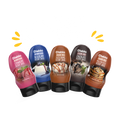 Dessert Sauces
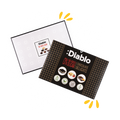 Chocolate Gift Boxes
 Wafers
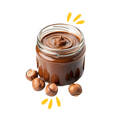 Spreads
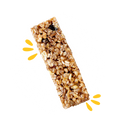 Muesli Bars
 Hampers
 Sales & Promotions

Sugar-Free Snacking:
The Complete UK Guide
Everything you need to know about sugar-free snacks in the UK, from the law behind the label to the best sweeteners, snack ideas, and where to buy them
What Is a Sugar-Free Snack in the UK?
A genuinely sugar-free snack must meet a specific legal threshold under UK food law, and not every product marketed as healthy actually clears it. Here is what matters most:
- Legal threshold: Under UK law, "sugar-free" means under 0.5g of total sugars per 100g, including natural sugars
- No added sugar is different: This claim only means no sugar was added in manufacturing; natural sugars from milk or fruit can remain
- Common sweeteners: Maltitol and stevia are the two most widely used sugar-free sweeteners in UK snacks and confectionery
- NHS guidance: Adults are advised to keep free sugar intake under 30g a day, roughly seven sugar cubes
- Health note: Sugar-free snacks are a better choice than standard sweets for blood sugar and dental health, but they remain treats, not health foods
You have cut back on sugar. You read labels in the supermarket aisle, you have swapped your tea, and you still want something sweet at 3 pm. The good news is that you do not have to give up snacking altogether.
More than 12 million people in the UK now live with diabetes or prediabetes, and most adults still eat two to three times the sugar the NHS recommends, largely through snacks and confectionery rather than meals. Sugar-free snacking has moved from a niche diet trend to a mainstream UK habit, and the quality of what is now on the shelf has improved dramatically.
In this guide, we break down exactly what "sugar-free" means under UK law, which sweeteners actually work, the best sugar-free snack ideas for every craving, and how to build a sugar-free snacking routine that lasts longer than January.
This guide references guidance from the NHS, Diabetes UK, the British Dietetic Association, and verified Diabetes UK Sugar Free product information. It is intended for educational purposes. Always consult your GP, diabetes nurse, or registered dietitian for personalised dietary advice.
What Counts as a "Sugar-Free" Snack Under UK Law?
This is the part of sugar-free shopping that trips up even careful label readers.
Under the UK Food Information Regulations 2014, a product can only carry the "sugar-free" claim if it contains no more than 0.5g of total sugars per 100g or 100ml. That figure includes naturally occurring sugars from every ingredient in the recipe, not only sugar that was deliberately added.
"No added sugar" is a separate, looser claim. It means the manufacturer did not add refined sugar during production, but the product can still contain meaningful sugar from milk solids, dried fruit, or cocoa solids. A no-added-sugar milk chocolate bar, for example, can legitimately contain several grams of sugar per 100g from the milk alone.
Sugar-Free vs No Added Sugar: The Real Difference
| Label | Legal Meaning | Sugar Content | Typical Products |
|---|---|---|---|
| Sugar-Free (SF) | Under 0.5g total sugars per 100g | Negligible, including natural sugars | Dark chocolate, hard sweets, gummies |
| No Added Sugar (NAS) | No sugar added in manufacturing | Variable, depends on other ingredients | Milk chocolate, fruit cakes, spreads |
| Reduced Sugar | At least 30% less sugar than the standard version | Lower, not minimal | Biscuits, breakfast cereals, drinks |
| Low Sugar | Under 5g per 100g (solids) or 2.5g per 100ml (liquids) | Modest reduction | Yoghurts, sauces, and some drinks |
Source: UK Food Information Regulations 2014, retained from EU Regulation EC No 1924/2006.
Turn the pack over and find the line that says "of which sugars" under Total Carbohydrate. That figure is legally regulated and independently checked. Front-of-pack wording is marketing language; the nutrition panel is fact.
Why Sugar-Free Snacking Has Become a Mainstream UK Habit
This is not a niche diet trend. It is a response to a measurable national health pattern.
Diabetes UK's most recent figures show more than 12 million people in the UK now live with diabetes or prediabetes, one in five adults. That breaks down into 4.6 million people with a diagnosis of diabetes, an estimated 1.3 million living with undiagnosed type 2 diabetes, and 6.3 million with prediabetes.
At the same time, the NHS and the Scientific Advisory Committee on Nutrition recommend that free sugars make up no more than 5% of daily energy intake, roughly 30g a day for adults. Most people in the UK are nowhere near that target, with national data consistently showing UK adults and children eating two to three times the recommended amount, largely through snacks and confectionery rather than meals.
Government policy has been moving in the same direction since 2018 through the Soft Drinks Industry Levy, commonly called the sugar tax. It has already pushed manufacturers to reformulate hundreds of drinks, and from January 2028, it will tighten further by lowering the sugar threshold and bringing sweetened milk-based drinks into scope for the first time.
Who Is Actually Choosing Sugar-Free Snacks
- People with diabetes or prediabetes, who need snacks that will not spike blood glucose and who read labels carefully every time they shop
- Health-conscious professionals and young adults following clean or balanced eating patterns, who want to cut sugar without feeling deprived
- Fitness enthusiasts and weight-management dieters, who care about calorie density and glycaemic impact alongside taste
- Keto and low-carb followers, who track net carbs and prefer sweeteners with minimal blood sugar effect
- Parents, looking for treats that are gentler on children's teeth and blood sugar without an obvious diet food feel
- Retailers and trade buyers, including supermarkets, health food stores, gym nutrition outlets, and international distributors stocking the category for all of the above
The Sweeteners Behind Sugar-Free Snacks, Explained
Almost every sugar-free snack on a UK shelf relies on one of two ingredient families: polyols, also called sugar alcohols, or steviol glycosides, better known as stevia. Understanding how they differ matters more than the brand name on the wrapper.
| Sweetener | GI Score | Calories/g | Blood Sugar Impact | Dental Safe | Rating |
|---|---|---|---|---|---|
| Sugar (Sucrose) | 65 | 4 kcal | High | No | Avoid |
| Maltitol (powder) | ~35 | 2.1 kcal | Moderate | Yes | Good |
| Maltitol (syrup) | ~52 | 3 kcal | Moderate-high | Yes | Use Caution |
| Erythritol | 0 | 0.2 kcal | Negligible | Yes | Good |
| Xylitol | 7-13 | 2.4 kcal | Very low | Yes | Good |
| Isomalt | 9 | 2 kcal | Very low | Yes | Good |
| Stevia | 0 | 0 kcal | None | Yes | Best |
| Monk Fruit | 0 | 0 kcal | None | Yes | Best |
GI values are reference figures and may vary slightly by source and formulation.
Maltitol
Maltitol is the workhorse of UK sugar-free chocolate. It is a plant-derived polyol that closely mimics sugar's sweetness, texture, and mouthfeel, which is why it performs so well in chocolate manufacturing, where texture matters most. Its trade-off is a moderate glycaemic index of around 35, meaningfully lower than sugar's 65, but not zero.
Stevia
Stevia comes from the leaves of the Stevia rebaudiana plant and is roughly 200 to 300 times sweeter than sugar by weight, which is why brands use it in very small quantities, often a fraction of a per cent, to round out sweetness without adding the liquorice-like aftertaste stevia can produce at higher concentrations. It has zero calories and zero glycaemic impact.
Diablo Sugar Free chocolate bars, cookies, and sweets are sweetened with maltitol as the primary sweetener for genuine chocolate taste and texture, finished with a small amount of stevia to round out the sweetness. No artificial sweeteners. No refined sugar added. As with any product containing polyols, the pack carries the standard UK label statement that excessive consumption may produce a laxative effect; moderate portions are well tolerated by most people.
Erythritol, Xylitol, Isomalt, and Monk Fruit
These are the other sweeteners you will see across the category. Erythritol and monk fruit both carry a glycemic index of zero and are popular in keto-focused snacks. Xylitol and isomalt sit at the lower end of the glycaemic scale and are common in hard sweets, gum, and lollipops. All are non-cariogenic, meaning oral bacteria cannot ferment them into the acids that cause tooth decay, a fact recognised by the American Dental Association. None of these sweeteners is classified as artificial under UK or EU food law; they are either derived from natural plant starches or, in the case of stevia and monk fruit, extracted directly from a plant.
Best Sugar-Free Snack Ideas for Every Craving
Whatever the craving, there is now a genuinely good sugar-free option in most UK supermarkets and health stores.
Sugar-Free Chocolate and Confectionery
- Sugar-free milk and dark chocolate bars sweetened with maltitol and stevia, including flavour variants with crispy rice or hazelnut
- Sugar-free chocolate dragees and gummies for a sweet-shop alternative
- High-cocoa dark chocolate, 85% or above, with no added sweetener at all, is a good option for anyone avoiding polyols entirely
- Sugar-free chocolate spreads for toast, oats, or fruit dipping
Sugar-Free Biscuits, Cookies, and Wafers
Biscuit tins do not have to disappear from a reduced-sugar kitchen. Coconut, chocolate, and classic British-style sugar-free cookies and wafers hold up well to dunking in tea and travel easily for lunchboxes or desk drawers.
Savoury Sugar-Free Snacks
- Plain nuts and seeds, avoiding honey-roasted or sweet-glazed versions
- Cheese portions or cheese with vegetable sticks
- Hummus with raw pepper, cucumber, or celery
- Plain, air-popped popcorn rather than caramel or toffee varieties
- Rice cakes or crackers with nut butter or cottage cheese
- Hard-boiled eggs
- Beef or turkey jerky, checking for added sugar in the marinade
Sugar-Free Bars and On-the-Go Options
Sugar-free muesli bars and protein bars sweetened with polyols or stevia are useful for commuting, the gym bag, or the office drawer. Check the "of which sugars" line, even on bars marketed as healthy, granola and oat-based bars can hide a surprising amount of natural sugar from dried fruit or honey.
Homemade Sugar-Free Snack Ideas
- Greek yoghurt with cinnamon and a few berries
- No-bake energy balls made from oats, nut butter, and unsweetened cocoa
- Baked apple slices with a pinch of cinnamon
- Frozen grapes or watermelon slices for a summer treat
- Sugar-free jelly with fresh fruit pieces folded in
- Homemade trail mix with nuts, seeds, and a small amount of unsweetened dried fruit
Healthy Sugar-Free Snacks by Lifestyle and Goal
The best sugar-free snack for one person is not necessarily right for another. Here is how the choice shifts according to the goal.
For People Managing Diabetes or Prediabetes
Maltitol's glycaemic index of around 35 produces a meaningfully smaller and slower blood glucose rise than regular sugar's 65 to 70, and stevia has no glycaemic impact at all. Maltitol is not zero-impact, particularly at larger portions, so the practical habit is to check total carbohydrate and "of which sugars" per serving on the specific product, not just the front-of-pack claim. UK law no longer permits products to be marketed as "diabetic food," a claim that was banned because there is no evidence such labelling offers a special benefit over careful, informed eating.
For Keto and Low-Carb Diets
Most low-carb frameworks subtract polyol content from total carbohydrates when calculating net carbs, since polyols are absorbed and metabolised differently from regular carbohydrates. This makes many sugar-free snacks compatible with keto, though strict net-carb trackers should still check individual nutrition panels, since maltitol's moderate GI distinguishes it from zero-GI options like erythritol or stevia.
For Weight Management and Fitness Goals
Because polyols provide roughly half the calories of sugar gram for gram, sugar-free snacks are typically 20 to 40% lower in calories than their standard equivalents. They can also help avoid the rapid glucose spike and hunger rebound that regular sugar triggers. They are not a weight-loss tool by themselves; a calorie surplus from sugar-free snacks is still a calorie surplus, so portion awareness still matters.
For Parents and Children
Many parents choose sugar-free or no-added-sugar treats as a step toward better dental health and steadier blood sugar for their children without an obvious diet food feel.
Children are more sensitive to the digestive effects of polyols than adults, so keep portions smaller. Always check allergen information too; some sugar-free biscuits, cakes, and cookies contain wheat, dairy, or nuts. Look for products with Halal, Kosher, or gluten-free certification where that matters to your family.
For Retailers and Wholesale Buyers
For supermarkets, health food stores, online grocery platforms, gym nutrition outlets, and international distributors, sugar-free confectionery has become one of the fastest-growing shelf categories as demand grows across diabetic, keto, and general health-conscious shoppers. Brands offering wide product ranges under one supplier relationship, with Halal, Kosher, and gluten-free certification across qualifying lines, make category planning considerably simpler. Trade buyers can typically register directly through a brand's B2B wholesale portal for tiered pricing.
How to Read a UK Sugar-Free Food Label
Reading any sugar-free snack label correctly comes down to three checks, in this order.
- Find "Total Carbohydrate" per serving on the nutrition panel. This is your starting figure and includes every carbohydrate source in the product, including any polyols.
- Find "of which sugars." This is the legally regulated figure that tells you the actual sugar content per 100g. On genuinely sugar-free products, this sits below 0.5g per 100g.
- Find "polyols" or "sugar alcohols," where listed separately. Subtract this figure from Total Carbohydrate to estimate net carbs if you are following a low-carb or keto approach.
What a Good Sugar-Free Snack Label Looks Like
- "Of which sugars" under 0.5g per 100g on genuinely sugar-free products
- Maltitol or stevia is named clearly in the ingredients list rather than hidden under a generic "sweetener" term
- Clear allergen statements for milk, wheat, soy, and nuts
- Halal, Kosher, or gluten-free certification marks are relevant to your household
Red Flags to Watch For
- A "no added sugar" claim is used as if it meant sugar-free, when the "of which sugars" line tells a different story
- Maltitol syrup rather than maltitol powder on lower-cost products, with a noticeably higher glycaemic impact
- Misleadingly small serving sizes that make the carbohydrate count look better than the portion you would actually eat
- No polyol breakdown at all, making net carb calculations for low-carb diets unreliable
Are Sugar-Free Snacks Actually Healthy? The Honest Answer
"Healthy" needs context here, and a good guide should give you the honest version, not just the marketing version.
Sugar-free snacks are a meaningfully better option than standard confectionery for people managing blood glucose, calorie intake, or dental health. They produce a lower glycaemic response, they do not feed the oral bacteria that cause tooth decay, and they contain fewer calories than sugar-sweetened equivalents. Most UK dietitians still classify any confectionery, sugar-free or otherwise, as an occasional treat rather than a substitute for nutritious whole foods. Consumed sensibly, sugar-free snacks are a genuinely preferable swap for the audiences who need them; they are not a nutrition upgrade to fruit, vegetables, or whole grains.
Polyols like maltitol are not fully absorbed in the small intestine. The unabsorbed portion travels to the large intestine, where it draws in water and is fermented by gut bacteria, which can cause bloating, gas, or a laxative effect if eaten in excess. UK and EU law requires the warning "excessive consumption may produce laxative effects" on products containing meaningful amounts of polyols. For most adults, the threshold sits around 40g of maltitol a day; for children, it is closer to 25g. People managing IBS through a Low-FODMAP diet should be particularly cautious, since polyols are a recognised FODMAP category and are often restricted during the elimination phase.
Practical Portion Guide
Starting Portion
Squares or pieces. The ideal starting point if you are new to polyol-containing products, before increasing.
Comfortable Daily Limit
The general guideline for sugar alcohol intake most adults tolerate it without digestive symptoms.
Adult Laxative Threshold
The approximate amount of maltitol above which a laxative effect becomes likely in adults.
Child Laxative Threshold
Children are more sensitive than adults, so keep portions smaller for younger family members.
Optimal Timing
Protein, fat, and fibre from a balanced meal slow absorption and blunt any blood glucose response.
Break off your portion before you begin eating, then put the rest away. This simple habit, used by dietitians working with diabetes patients, removes the unconscious decision-making that leads to excess consumption. Applied consistently, it makes portion control effortless rather than willpower-dependent.
Sugar-Free vs Regular Snacks: Side-by-Side Comparison
| Factor | Standard Chocolate Bar | Sugar-Free Chocolate Bar |
|---|---|---|
| Sugar per 100g | 50-55g | Under 0.5g (SF range) |
| Calories per 100g | 530-545 kcal | 380-450 kcal |
| Glycemic index | 65-70 | ~35 (maltitol-based) |
| Promotes tooth decay | Yes | No |
| Diabetic-friendly rating | Limited | Better Suited |
| Keto/low-carb suitability | Rarely | Often |
| Digestive upset risk | Low | Possible if excessive |
Building a Sugar-Free Snacking Routine That Actually Sticks
Swapping one product for another rarely changes a habit on its own. A simple three-part framework makes the switch durable rather than a short-lived experiment.
Plan
Decide your snack times in advance rather than reaching for whatever is closest when a craving hits.
Pair
Pair any sweet treat with protein, fat, or fibre to slow digestion and reduce glycaemic impact.
Portion
Decide your portion before you open the packet, not while eating from it.
A person managing type 2 diabetes following this framework might plan a 3 pm snack daily, pair two squares of sugar-free dark chocolate with a small portion of mixed nuts, and portion both out in advance rather than eating from the box at the desk. Over a few weeks, this becomes automatic rather than a decision made fresh every afternoon.
Where to Buy Sugar-Free Snacks in the UK
- Major supermarkets, including Tesco, Sainsbury's, Asda, Morrisons, Waitrose, and Lidl, stock sugar-free and no-added-sugar ranges in the free-from or diet aisle
- Holland and Barrett and other health food retailers carry the widest range of specialist sugar-free confectionery brands
- Online retailers, including Amazon UK and direct brand websites, often offer the broadest flavour selection and subscription options
- Gym nutrition stores typically stock protein-forward, lower-sugar snack ranges
- Wholesale and B2B platforms serve supermarkets, health food chains, online grocery platforms, and international distributors stocking the category at scale
Sugar-Free Snacking in the UK
- "Sugar-free" legally means under 0.5g sugar per 100g, "no added sugar" allows natural sugars to remain, always check the "of which sugars" line
- Over 12 million people in the UK live with diabetes or prediabetes, and most adults exceed the NHS's 30g daily free sugar guideline
- Maltitol and stevia are the two most common UK sugar-free sweeteners, both with a far lower glycaemic and calorie impact than sugar
- Sugar-free snacks are a better option than standard confectionery for blood sugar, weight, and dental health, but they remain treats, not health foods
- Excessive polyol consumption, over roughly 40g for adults or 25g for children, can cause digestive discomfort; sensible portions avoid this for almost everyone
- A simple Plan, Pair, Portion approach turns a one-off product swap into a lasting habit
Frequently Asked Questions
References and Sources
- Diabetes UK. One in Five Adults Now Live With Diabetes or Prediabetes in the UK. February 2025.
- NHS / Scientific Advisory Committee on Nutrition. Carbohydrates and Health, 2015, and the current NHS sugar intake guidance.
- British Dietetic Association. Sugar and Your Health. bda.uk.com
- UK Food Information Regulations 2014, retained from EU Regulation EC No 1924/2006.
- HM Treasury and HMRC. Soft Drinks Industry Levy policy updates, Autumn Budget 2025.
- Institute for Fiscal Studies. Assessing Recent Changes to the Soft Drinks Industry Levy. 2026.
- Academy of Nutrition and Dietetics. Sugar alcohol tolerance guidance.
- American Dental Association. Polyols and dental caries research.
- World Health Organisation. Guideline on Sugars Intake for Adults and Children. 2015.
- Diabetes UK. Healthy Food Swaps: Snacks. diabetes.org.uk
Ready to Find Your Perfect Sugar-Free Snack?
Diablo Sugar Free crafts chocolates, cookies, wafers, sweets, cakes, and dessert sauces with no added sugar. Halal and Kosher certified across qualifying lines. All the taste, without the sugar.
Shop Diablo Sugar Free →No added sugar. No compromise on taste. Just real indulgence, done right.