 Chocolate Bars
 Dragees
 Cakes & Muffins
 Sweets & Gummies
 Cookies
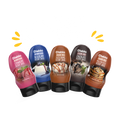 Dessert Sauces
 Wafers
 Spreads
 Muesli Bars
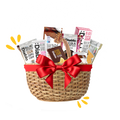 Guilt-free Gifting
 Sales & Promotions

Keto Candy in the US:
A Label Reading Guide
A practical, science-backed guide to sweeteners, net carbs, and reading candy labels on a low-carb lifestyle.
What Is Keto Candy?
Keto candy is real, and it is easier to find than most people think. Here is what actually matters when you are shopping for it:
- Net carbs under 5g per serving is the general benchmark most keto shoppers look for, calculated as total carbohydrates minus fibre and sugar alcohols
- Erythritol, allulose, monk fruit, and stevia are conventionally subtracted in full when calculating net carbs
- Maltitol and xylitol only count for about half their listed carbs in most net carb formulas, so run the maths yourself rather than reading the front label as final
- Maltodextrin, corn syrup, and rice syrup are common fillers in cheaper "sugar-free" candy and should be avoided on keto
- "Net carbs" has no legal definition from the FDA, so treat any net carb claim on a wrapper as a useful estimate, not a guarantee
You have cut the bread, swapped pasta for courgette, and said no to dessert more times than you can count. And yet, the craving for something sweet has not gone anywhere.
Here is the good news: keto candy is not a myth or a sad consolation prize. You can eat candy on keto, provided you know which sweeteners actually behave the way the label implies, and how to do a little quick maths before you buy.
In this guide, we break down exactly what makes candy work on keto, which sweeteners subtract in full, which ones need an asterisk, and how to read any label in under 30 seconds, for readers strict about ketosis and readers simply trying to cut added sugar.
This guide references current FDA nutrition labelling guidance and consumer education resources from the American Diabetes Association. It is intended for general educational purposes and is not advice about any specific product or medical condition. Always consult your physician or registered dietitian before making significant changes to your diet, particularly if you manage diabetes or take glucose-lowering medication.
What Makes Candy Work on Keto?
A candy earns its place on a keto plan based on its net carb count, not just its sugar content. Most people following keto aim to keep total daily carbohydrates between 20 and 50 grams to stay in ketosis, the metabolic state where the body burns fat for fuel instead of glucose. That leaves very little room for traditional candy, which is often made almost entirely of sugar.
Keto candy solves this by swapping sugar for low-glycemic sweeteners and keeping net carbs low per serving, usually in the 0 to 5 gram range. "Sugar-free" alone does not guarantee this. A candy can be free of added sugar and still carry a meaningful carb load from fillers like maltodextrin, which is why the ingredient list matters as much as the front-of-pack claim.
Net Carbs 101: The Maths Behind Every Keto Candy Label
How to Calculate Net Carbs in Three Steps
- Start with the total carbohydrates listed on the Nutrition Facts panel
- Subtract grams of dietary fibre, since fibre is not broken down into glucose the way starches and sugars are
- Subtract half the grams of sugar alcohols like maltitol or sorbitol, since the body absorbs roughly half of most sugar alcohols. Erythritol and allulose are the exceptions; both have a negligible effect on blood glucose, so many people subtract them in full
Formula: Net Carbs = Total Carbohydrates minus Fibre minus (Sugar Alcohols divided by 2)
For example, a candy bar listing 18g total carbohydrate, 6g fibre, and 10g maltitol works out to 18 minus 6 minus 5, which equals 7g net carbs, not the 2g a quick glance might suggest.
The U.S. Food and Drug Administration does not have a legal definition for "net carbs." The agency requires manufacturers to list total carbohydrates, dietary fibre, total sugars, and added sugars, but the net carb maths is a consumer convention, not a regulated nutrition claim. The American Diabetes Association notes that the standard formula assumes fibre and sugar alcohols are not absorbed at all, which is not strictly true for every type used. Treat the net carb number on any candy package as a useful estimate, not a guarantee, and lean on your own glucose meter or continuous glucose monitor if you are tracking closely.
Keto Sweeteners: The Maths Behind Each One
Not all "sugar-free" sweeteners are created equal, and this is the single biggest thing that separates candy that fits keto maths from candy that only looks the part on a shelf tag.
Sweeteners That Genuinely Work for Keto
- Erythritol: A sugar alcohol roughly 70% as sweet as sugar with about 0.2 calories per gram and minimal impact on blood sugar
- Allulose: A rare sugar that the FDA allows manufacturers to exclude from total sugars and added sugars on the label, with little effect on blood glucose or insulin
- Monk fruit (luo han guo): A zero-calorie plant-derived sweetener often blended with erythritol to balance sweetness and texture
- Stevia: A zero-calorie plant-based sweetener with no measurable effect on blood glucose, common in chocolate and hard candy
Sweeteners That Need a Maths Adjustment
- Maltitol: Common in sugar-free chocolate and sweets because it mimics sugar's texture closely, but only about half its carbs should be subtracted when calculating net carbs; it produces a lower and slower blood glucose rise than sugar
- Isomalt and sorbitol: Also widely used in hard candy and toffees; like maltitol they are conventionally subtracted at half; like all polyols they are absorbed slowly, so enjoy a few pieces at a time
- Xylitol: Has a glycemic index of 7 to 13 and, like all polyols, is best enjoyed in sensible portions. Keep it away from dogs
Sweeteners and Fillers to Avoid
- Maltodextrin: Despite sounding like a fibre, this is a highly processed starch with a glycemic index close to table sugar
- Corn syrup, rice syrup, agave, and "fruit juice concentrate": These are sugar by another name and will derail net carb counts fast
Complete Sweetener Comparison
| Sweetener | GI Score | Net Carb Treatment | Key Notes |
|---|---|---|---|
| Erythritol | 0-1 | Subtract in full | Around 70% as sweet as sugar; subtracted in full in net carb maths |
| Allulose | ~0 | Excluded from sugars on label | Newer ingredient, common in keto gummies and syrups |
| Monk Fruit | 0 | Subtract in full | Often blended with erythritol for texture |
| Stevia | 0 | Subtract in full | Some people notice a mild aftertaste |
| Maltitol | ~35 | Subtract only half | Closest to sugar for taste and texture; subtract half in net carb maths |
| Isomalt / Sorbitol | ~2-9 | Subtract only half | Common in hard candy and toffees; absorbed slowly, enjoy a few at a time |
| Xylitol | 7-13 | Subtract only half | Keep away from dogs (toxic to them) |
| Maltodextrin | ~100 | Do not subtract | Often hidden in lower-quality "sugar-free" products |
Sources: FDA nutrition labelling guidance, Calorie Control Council, Diet Doctor. GI values are reference figures and may vary by brand and formulation.
Diablo Sugar Free's sweets and dark chocolate are made with sweeteners instead of sugar, so the sugar figure on the panel sits at or near zero. The bulk sweetener across the range is maltitol, with isomalt and sorbitol in some lines, so these are polyol-based products rather than erythritol or stevia ones.
That places them squarely in the half-carb-rule camp: work the net carbs out per serving before you buy, and treat them as a lower-added-sugar swap rather than assuming the front-of-pack figure is your full intake. Because the products contain polyols, excessive consumption may have a laxative effect. Formulations vary across the range, so always check the ingredient panel on the specific product you pick up.
Keto Candy by Category: What You Can Actually Eat
Keto Chocolate
Chocolate is the easiest entry point into keto candy because dark chocolate is naturally lower in carbs than milk chocolate, and many no-added-sugar ranges replace sugar with erythritol, stevia, monk fruit, or maltitol. If you are strict about ketosis, remember the half-carb maltitol rule before assuming the front-of-pack number is your real intake. If your priority is simply cutting added sugar, a maltitol-sweetened bar can still be a meaningfully lower-impact swap than a traditional sugar-loaded chocolate bar.
Diablo SF Dark Chocolate 85g
Contains polyols, excessive consumption may have a laxative effect.
View chocolate rangeKeto Gummies
Gummies are trickier than chocolate because traditional gummy texture depends heavily on sugar and corn syrup. Keto versions typically use allulose, soluble corn fibre, and erythritol to mimic the chew. Net carbs on a quality keto gummy bag usually land between 1 and 4 grams per serving, but portion size matters enormously here since gummies are easy to overeat in one sitting.
Keto Hard Candy and Mints
Hard candy and mints are often the lowest-carb category because servings are naturally small. Stevia and monk fruit dominate this category, frequently coloured with vegetable or fruit juice instead of artificial dye. A single keto mint or hard candy piece commonly comes in under 2 grams of net carbs.
Diablo SF Mint & Cream Sweets 75g
Contains polyols, excessive consumption may have a laxative effect.
View sweets rangeKeto Caramels and Chews
Caramel relies on sugar for its colour, stretch, and flavour in a traditional recipe, so keto versions lean on allulose syrup, maltitol, or isomalt blends cooked to the same temperature stages. These tend to run slightly higher in net carbs than hard candy, typically 2 to 6 grams per serving, so check the label rather than assuming caramel behaves like chocolate.
Diablo SF Fruit Flavoured Toffees 75g
Contains polyols, excessive consumption may have a laxative effect.
View sweets range| Candy Category | Typical Net Carbs / Serving | Common Sweeteners |
|---|---|---|
| Hard Candy & Mints | 0-2g | Stevia, monk fruit, isomalt, maltitol |
| Keto Chocolate | 1-4g | Erythritol, stevia, monk fruit, maltitol |
| Keto Gummies | 1-4g | Allulose, soluble corn fibre, erythritol |
| Caramels & Chews | 2-6g | Allulose, erythritol, maltitol, isomalt |
Net carb ranges are representative figures across commonly available brands. Always confirm against the specific product label.
How to Read Any Candy Label in 30 Seconds
- Check total carbs first. If it is over 20 grams per serving, look closer before anything else
- Find fibre and sugar alcohols. Run the net carb formula yourself rather than trusting a "net carbs" claim on the front of the package
- Scan the sweetener type. Erythritol, allulose, monk fruit, and stevia subtract in full. Maltitol, isomalt, sorbitol, and xylitol need the half-carb adjustment. Maltodextrin and corn syrup are red flags
- Look at serving size realism. A candy advertising "1g net carb" per piece is far less useful if the realistic serving is five pieces
- Cross-check the ingredient list, not just the macro panel. Marketing claims and the actual ingredient order do not always tell the same story
Whenever you see maltitol, isomalt, sorbitol, or xylitol on a label, subtract only half the listed sugar alcohol grams from total carbohydrates, not the full amount. This one adjustment is the most common reason people accidentally overeat carbs while believing they are staying strictly keto.
Sugar-Free Candy and Blood Sugar: What to Know
Cutting added sugar is one of the most common reasons people look for keto and sugar-free candy, so it is worth understanding, in general terms, what "sugar-free" does and does not mean for blood sugar.
Swapping sugar for low-glycemic sweeteners produces a lower and slower glucose rise than traditional sugar-loaded sweets. That said, "sugar-free" is not automatically "blood-sugar-neutral." The American Diabetes Association points out that the standard net carb maths assumes sugar alcohols and fibre have no effect on blood glucose, which is not always accurate, and the type of fibre or polyol used is not disclosed on the label.
- Erythritol, allulose, monk fruit, and stevia carry essentially no glycemic load; maltitol, isomalt, sorbitol, and xylitol are absorbed slowly and produce a lower and slower rise than sugar
- If you use a glucose meter or CGM, treat your own readings as the final word, more reliable than any net carb claim on the box
- Talk with your doctor or a registered dietitian before making any sugar-free candy a regular part of your routine, especially if you take insulin or other glucose-lowering medication
Individual blood glucose responses to specific foods vary considerably between people. Checking with a finger-prick test or continuous glucose monitor 90 to 120 minutes after eating a new sweet gives you personalised data that is far more actionable than any general guideline. This is general information about sweeteners, not medical advice or a claim about any specific product.
Red Flags: Ingredients That Sneak Carbs Past the Label
Even candy marketed directly to the keto audience can carry hidden carb traps. Watch for:
- Maltodextrin is disguised as a "fibre" or "starch" ingredient, with a glycemic index nearly identical to table sugar
- Fruit juice concentrate is used to claim "naturally sweetened" while still functioning as added sugar
- Inulin or chicory root fibre in large amounts, which can be fine in moderation but may cause bloating and inflate perceived fibre credit if not balanced with the rest of the formula
- Vague "natural flavours with sweetener blend" wording that hides which sweetener is doing most of the work
How Much Keto Candy Can You Actually Eat in a Day?
Keto candy is still a treat, not a free pass. A reasonable approach is to treat any single serving as part of your daily carb allowance, not an exception to it. This matters twice over with polyol-sweetened sweets, since stacking servings can add up on both net carbs and digestive comfort.
Hard Candy or Mint, Per Piece
The smallest, most controllable keto treat. Ideal if you want something sweet without touching your carb budget much.
Chocolate Square or Gummy Serving
The sweet spot most keto shoppers plan around. Stick to one labelled serving at a time.
Total Daily Carb Budget on Keto
Plan any candy serving as part of this total, rather than stacking it on top of everything else you eat.
The Timing Strategy Most People Get Wrong
- Eat it after a meal, not on an empty stomach: protein, fibre, and fat from a balanced meal slow how quickly any remaining carbs are absorbed
- Portion before you start eating: break off or count out your serving and put the rest away, rather than eating straight from the bag
- Pair it with protein or fat: a small handful of nuts alongside your candy further slows absorption
- Space out polyol servings: polyols are absorbed slowly, so keep to a few pieces at a time rather than stacking servings across the day
Can You Make Your Own Keto Candy at Home?
Yes, and it is one of the most reliable ways to control exactly what goes into your sweets. Most homemade keto candy recipes use a simple base of butter, heavy cream, and a zero-sugar sweetener like allulose or monk fruit, cooked the same way traditional caramel or taffy is made, just without the sugar. The trade-off is time and a learning curve with sweetener-specific quirks, since allulose behaves more like real sugar when heated compared with monk fruit, which can turn slightly grainy. For most people, a mix of trusted store-bought options for convenience and the occasional homemade batch for special occasions works well.
The Keto Candy Framework: A 4-Step Practical Guide
- CHECK THE NET CARBS. Run the formula yourself rather than trusting the front-of-pack claim. Aim for under 5g net carbs per serving for most keto plans
- IDENTIFY THE SWEETENER. Subtract erythritol, allulose, monk fruit, and stevia in full. Treat maltitol, isomalt, sorbitol, and xylitol with the half-carb rule. Diablo Sugar Free's range is sweetened mainly with maltitol, so apply the half-carb rule to every serving rather than reading the front-of-pack figure as final
- MIND THE SERVING SIZE. Break off your portion before you start eating, and log it as an estimate, not an exact figure
- TRACK YOUR PERSONAL RESPONSE. If you are tracking ketones or blood glucose, check your levels after introducing a new product for two to three weeks. This personal data is more valuable than any general guideline
Pairing any keto candy with a source of fat, fibre, or protein, such as a few almonds alongside a square of chocolate, further buffers how quickly the remaining carbs are absorbed.
Frequently Asked Questions
References & Sources
- American Diabetes Association. Get to Know Carbs. diabetes.org
- U.S. Food and Drug Administration. How to Understand and Use the Nutrition Facts Label. fda.gov
- U.S. Food and Drug Administration. 21 CFR 101.9, Nutrition Labelling of Food. ecfr.gov
- Diet Doctor. Keto Sweeteners: The Visual Guide. Updated 2025. dietdoctor.com
- Mayo Clinic. Artificial Sweeteners and Other Sugar Substitutes. Updated 2025. mayoclinic.org
- Calorie Control Council. Polyols. polyols.org
- Healthline. The 10 Best Keto Candies. healthline.com
Ready for Something Sweet Without the Added Sugar?
Diablo Sugar Free crafts chocolates, sweets, and cookies made with sweeteners instead of sugar, from sugar free dark chocolate and sweets to no-added-sugar favourites for everyday cravings. Made for everyone who is watching their sugar intake but refuses to give up life's sweet moments.
Shop Diablo Sugar FreeMade with sweeteners. Contains polyols. Always check the ingredient panel on your specific product.